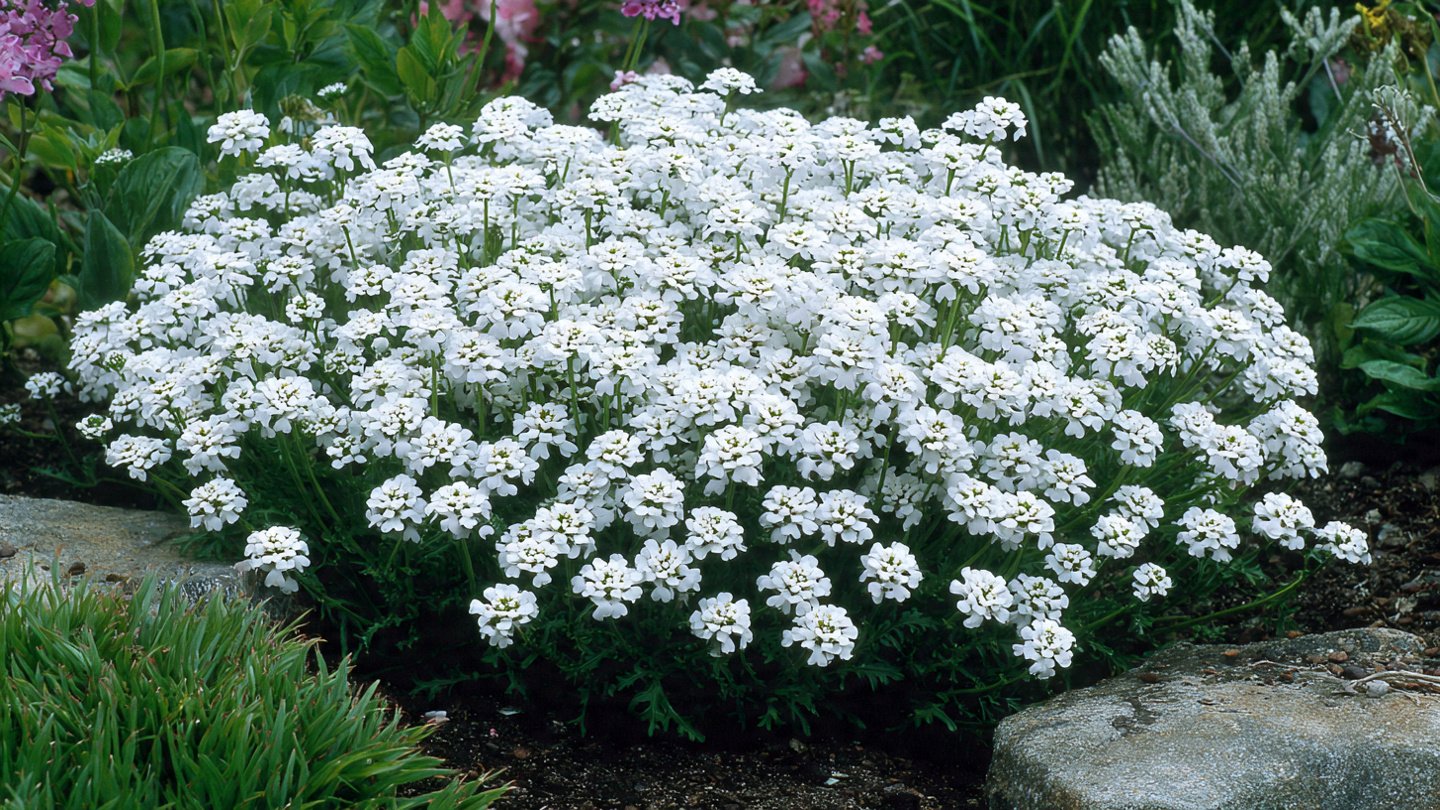
Candytuft (Iberis umbellata) is a charming perennial flower that is celebrated for its vibrant white blooms and compact growth habit. This hardy plant adds a refreshing touch to gardens, creating stunning displays when planted en masse or alongside other flowering plants. In this article, we will delve into the intricate details of growing Candytuft white flowers, covering everything from planting to maintenance, ensuring that you have the knowledge to cultivate a beautiful and flourishing garden display.
Overview of Candytuft
Candytuft is a member of the Brassicaceae family, native to Europe and the Mediterranean region. One of the most attractive aspects of Canydtuft is its snow-white flowers, which typically bloom in spring and early summer. The flowers are small, clustered, and have a sweet, pleasant fragrance, attracting bees and butterflies to your garden. Apart from its beauty, Candytuft is often used as ground cover owing to its low-growing nature, covering bare patches effectively and suppressing weeds.
Latest Posts
- A Comprehensive Guide to Successfully Growing Grape Vines in Your Backyard for Beginners and Experts Alike
- Best Tips for Successful Mango Growth in Containers
- Discover the Simple Steps for Successfully Growing Coriander in a Pot
- Discovering the Ultimate Guide to Growing African Violets from Leaf Cuttings
- Simple Techniques for Successfully Growing Seedless Grapes in Home Gardens
- Ultimate Guide to Growing Balsam Plants Naturally for Vibrant Blooms
- Discover the Secrets to Growing Lush Leek Leaves with Simple Hacks for Beginners
- How to Successfully Cultivate Sweet Cherries in the Unique Climate of Canada
- The Ultimate Guide to Successfully Growing Beautiful Succulent Garden Plants at Home
- A Comprehensive Guide to Growing Dhania from Seeds for Beginners
Choosing the Right Location
Sunlight
Candytuft thrives best in full sun, requiring a location that gets at least 6 hours of direct sunlight daily. Choosing the right spot will contribute significantly to the plant’s growth and flower production. However, Candytuft can tolerate partial shade, particularly in warmer climates where the afternoon sun can be intense.
Soil

The soil in which you plant Candytuft requires good drainage. A loamy or sandy soil with a pH level between 6.0 and 7.0 is ideal. If your garden soil is heavy or clay-like, consider amending it with compost or sand to improve drainage. This will create an optimal environment for Candytuft to thrive, as overly soggy conditions can lead to root rot.
Planting Candytuft
When to Plant
The best time to plant Candytuft is in the spring or fall. Spring planting allows the plant to establish itself before the heat of summer, while fall planting in mild climates can lead to early blooming in the spring.
Propagation Methods
-
Seeds: Start by sowing seeds indoors 6-8 weeks before the last frost date. Use small pots filled with seed-starting mix. Lightly cover the seeds, as they need light to germinate. After they sprout, acclimate them to outdoor conditions gradually before transplanting.
-
Transplants: You can also purchase nursery-grown seedlings. This method is faster and ensures strong, healthy plants.

-
Division: For established plants, divide them every few years in spring or fall. This promotes new growth and prevents overcrowding.
Spacing
When planting Candytuft, space the plants 12-18 inches apart to allow enough room for growth and air circulation. This will contribute to healthier plants and prevent fungal diseases.
Caring for Candytuft
Watering
Once established, Candytuft is relatively drought-tolerant. During the first few weeks after planting, ensure the plants receive enough water to settle in. Afterward, water the plants moderately, only when the top inch of the soil feels dry. Over-watering should be avoided, as this can lead to root rot.
Fertilization

Though Candytuft is not a heavy feeder, a light application of a balanced fertilizer in early spring can boost growth and flowering. Organic options, like compost or well-rotted manure, can work wonders without the risk of over-fertilization. Avoid fertilizing during the blooming period, as this may harm flower production.
Pruning
To encourage bushier growth and more abundant blooms, it’s advisable to prune Candytuft after the flowering period. Cut back any spent flowers and trim the foliage lightly, which will promote new growth and enhance the plant’s overall shape.
Mulching
Applying a layer of mulch around the base of the plant can help retain soil moisture, suppress weeds, and maintain an even temperature. Organic materials like straw, wood chips, or shredded leaves work well as mulch.
Pest and Disease Management
Candytuft is generally resilient against pests and diseases. However, it can attract aphids, spider mites, and whiteflies. Regularly inspecting your plants and utilizing insecticidal soap or neem oil can help control these pests.

Additionally, be on the lookout for fungal diseases such as powdery mildew, particularly in humid conditions. Ensuring proper spacing and good air circulation helps mitigate this risk. If fungal issues arise, consider removing affected foliage and applying a suitable fungicide if necessary.
Creating a Stunning Garden Display
Companion Planting
To enhance the beauty of Candytuft in your garden, consider pairing it with complementary plants. Low-growing perennials and annuals like petunias, verbena, or creeping thyme will create a colorful backdrop that accentuates the white flowers of Candytuft.
Color Schemes
For a stunning visual impact, utilize contrasting color schemes. The white flowers of Candytuft pair beautifully with deep blues, purples, and vibrant yellows, creating a dynamic presentation. Think about your garden’s overall color palette to create harmony among your plants.
Arranging Candytuft
When designing your garden layout, consider placing Candytuft in the front of flower beds or borders due to its low growth habit. This allows taller plants to rise behind it, creating depth and layers. You can create pathways using Candytuft to lead visitors through your garden, effectively guiding the eye and foot traffic.

Seasonal Care
As seasons change, so do the needs of your Candytuft. In the fall, once blooming is over, you can leave the spent foliage for winter interest. However, if you live in areas with harsh winters, consider applying a layer of mulch to protect the roots.
In spring, it’s crucial to engage in early maintenance, clearing out any debris and trimming back old growth to prepare for new blooms. Early attention will set the tone for a vibrant blooming season.
Conclusion
Growing Candytuft white flowers can be a rewarding endeavor for any gardener. Their striking appearance, delightful fragrance, and ease of care make them an excellent addition to your garden. By paying attention to their sunlight, soil, and care requirements, you can cultivate a stunning display that will brighten your outdoor space.
Whether you choose to establish them as part of a mixed bed, a border, or as ground cover, Candytuft will certainly enhance your garden’s beauty, attracting both pollinators and admiration. With the right conditions and a little attention, these charming perennials will flourish, providing joy and beauty throughout their blooming season. Happy gardening!