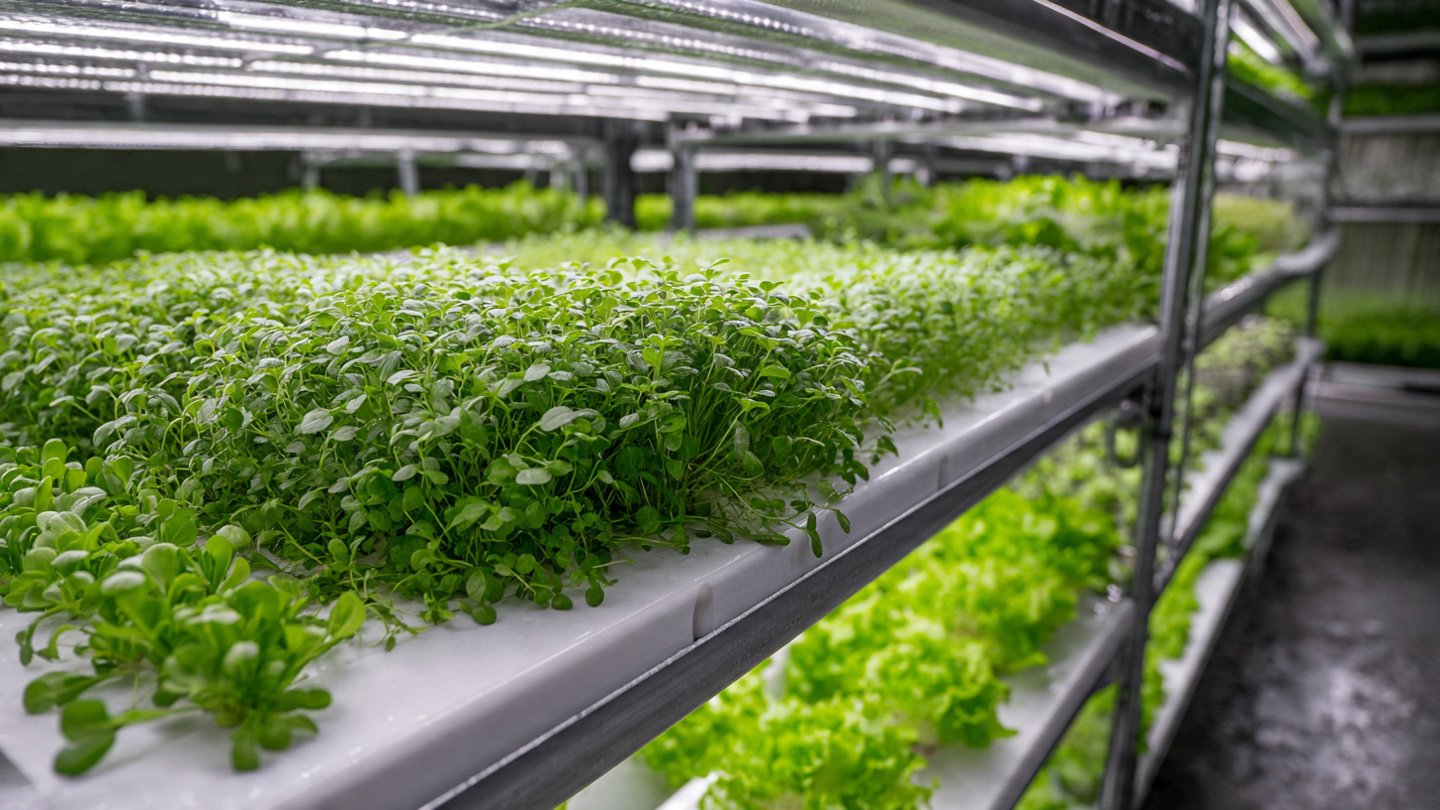
In an era where water scarcity is becoming an increasingly pressing issue, sustainable gardening practices are necessary for every gardener, whether a seasoned pro or a novice. Growing greens efficiently while conserving water is achievable through careful planning, specific techniques, and a commitment to sustainability. This article will explore the best strategies for gardening with minimal water usage, ensuring that your garden thrives and contributes positively to the environment.
Understanding the Importance of Water Conservation
Water is an essential resource for any form of agriculture or gardening. However, traditional practices often lead to excessive water usage, harming the environment and straining local water supplies. Here are a few reasons why efficient water use is crucial:
Latest Posts
- A Comprehensive Guide to Successfully Growing Grape Vines in Your Backyard for Beginners and Experts Alike
- Best Tips for Successful Mango Growth in Containers
- Discover the Simple Steps for Successfully Growing Coriander in a Pot
- Discovering the Ultimate Guide to Growing African Violets from Leaf Cuttings
- Simple Techniques for Successfully Growing Seedless Grapes in Home Gardens
- Ultimate Guide to Growing Balsam Plants Naturally for Vibrant Blooms
- Discover the Secrets to Growing Lush Leek Leaves with Simple Hacks for Beginners
- How to Successfully Cultivate Sweet Cherries in the Unique Climate of Canada
- The Ultimate Guide to Successfully Growing Beautiful Succulent Garden Plants at Home
- A Comprehensive Guide to Growing Dhania from Seeds for Beginners
- Environmental Sustainability: Reducing water use helps preserve local ecosystems, ensuring that natural habitats are maintained.
- Cost-Effectiveness: Efficient water practices can lower utility bills and reduce the need for extensive irrigation systems.
- Climate Adaptation: As climate change leads to unpredictable weather patterns, conserving water becomes even more vital. Utilizing water-efficient methods helps ensure that your garden is resilient to drought.
Selecting the Right Greens
The first step in sustainable gardening is choosing the right types of greens to grow. Some plants naturally require less water and can thrive in drier conditions. Here are some excellent options:
- Kale: This nutrient-rich leafy green is not only resistant to drought but also provides a continuous harvest.
- Swiss Chard: Known for its vibrant colors and versatility, Swiss chard has a robust root system that can access deeper moisture.
- Romaine Lettuce: While it does require water, lettuce can be grown in climates with shorter growing seasons and is relatively hardy.
- Spinach: Spinach can thrive with minimal water, especially in well-draining soil.
- Mustard Greens: These greens have a high tolerance for dry conditions, making them a great choice for water-efficient gardening.

Soil Preparation
Understanding soil health is critical in ensuring efficient water usage. Healthy soil retains moisture better and provides adequate nutrients for plants. Here are some steps to prepare your soil:
1. Testing the Soil
Before starting, conduct a soil test to understand its composition, pH, and nutrient levels. This will guide you in making adjustments. Many local agricultural extensions offer testing services, or you can purchase a DIY testing kit.
2. Amending with Organic Matter
Incorporate organic matter, such as compost, to enhance soil structure, increase water retention, and improve fertility. Well-amended soil can hold five times more water than sandy soil.
3. Mulching
Applying a layer of organic mulch, such as straw or wood chips, can help retain moisture by preventing evaporation. It also suppresses weeds, which compete for water and nutrients.
Efficient Watering Techniques
Effective watering methods can significantly reduce the amount of water needed for growing greens. Here are some practical strategies:
1. Drip Irrigation
Drip irrigation systems deliver water directly to the root zones of plants, minimizing evaporation and waste. This method allows for precise control over water application and is ideal for gardens of any size.
2. Watering Early or Late
Water your garden during the early morning or late evening to minimize evaporation. The cooler temperatures during these times help retain moisture in the soil, ensuring that plants absorb the water efficiently.
3. Use of Greywater
If suitable and permitted in your area, consider using greywater from baths, sinks, or laundry (not containing harmful chemicals or non-biodegradable products) for irrigation. Greywater systems can significantly reduce water consumption.
4. Soil Moisture Sensors
Investing in moisture sensors can help you determine when to water by measuring the actual moisture levels in the soil. This helps prevent over-watering and ensures that plants receive water only when necessary.
Choosing Water-Wise Planting Techniques
Adopting strategic planting techniques can enhance water efficiency significantly. Here are some effective methods:
1. Planting Drought-Tolerant Varieties
Beyond selecting greens with lower water needs, consider interplanting drought-tolerant varieties. Combining plants with varying water requirements promotes a more diverse ecosystem, reducing overall water consumption.
2. Companion Planting
Certain plants, when grown together, can benefit from each other’s presence. For instance, pairing deep-rooted plants with shallow-rooted ones can help them utilize moisture more efficiently.
3. Raised Beds
Creating raised beds can improve water drainage while allowing for more controlled irrigation. Raised beds can also warm up faster in the spring, promoting earlier growth.
4. Dense Planting
Planting greens close together can create a canopy that reduces soil evaporation and helps maintain moisture. Be cautious not to overcrowd, as proper air circulation is also necessary.
Seasonal Strategies
Adjusting your gardening practices based on seasonal changes can enhance water efficiency. Here are some strategies based on seasons:
Spring
- Start Seeds Indoors: Germinating seeds indoors allows for earlier planting, maximizing growth during the growing season while reducing water needs.
- Utilize Covers: Use row covers to retain soil heat and moisture, allowing for quicker germination.
Summer
- Focus on Early Harvests: Plan for staggered planting and early harvesting of fast-growing greens to reduce competition and minimize water needs.
- Consider Shade: Use shade cloths to protect delicate greens from intense summer sun, reducing water evaporation from the soil.
Fall and Winter
- Seasonal Extenders: Use cold frames or greenhouses to extend the growing season for hardy greens, allowing for year-round harvests with less water.
- Cover Crops: Plant cover crops in the fall to enhance soil structure and moisture retention over winter months.
Maintaining Healthy Greens
Healthy plants require less water, making maintenance essential. Here are some ways to keep your greens thriving with minimal water:
Fertilization

Use organic fertilizers and compost to provide necessary nutrients. Healthy plants are more resilient and better equipped to handle drought conditions. Regular fertilization helps maintain soil and plant health.
Pest Management
Using integrated pest management (IPM) techniques reduces the need for chemical interventions, which can further hinder water use. Healthy plants are more resistant to pests and diseases.
Pruning and Harvesting
Regularly harvest greens to encourage further growth. Remove dead or yellowing leaves, which can attract pests and reduce overall plant health.
Conclusion
Growing greens with less water is not only a practical approach to gardening; it is a necessary response to today’s environmental challenges. By selecting the right plants, employing efficient watering techniques, and maintaining soil health, you can create a sustainable garden that contributes positively to the ecosystem. These strategies not only conserve water but also promote biodiversity, healthier soil, and ultimately more productive gardens. As we adapt to changing climate conditions, incorporating these practices will ensure that your garden flourishes sustainably for years to come. Remember, every drop counts!