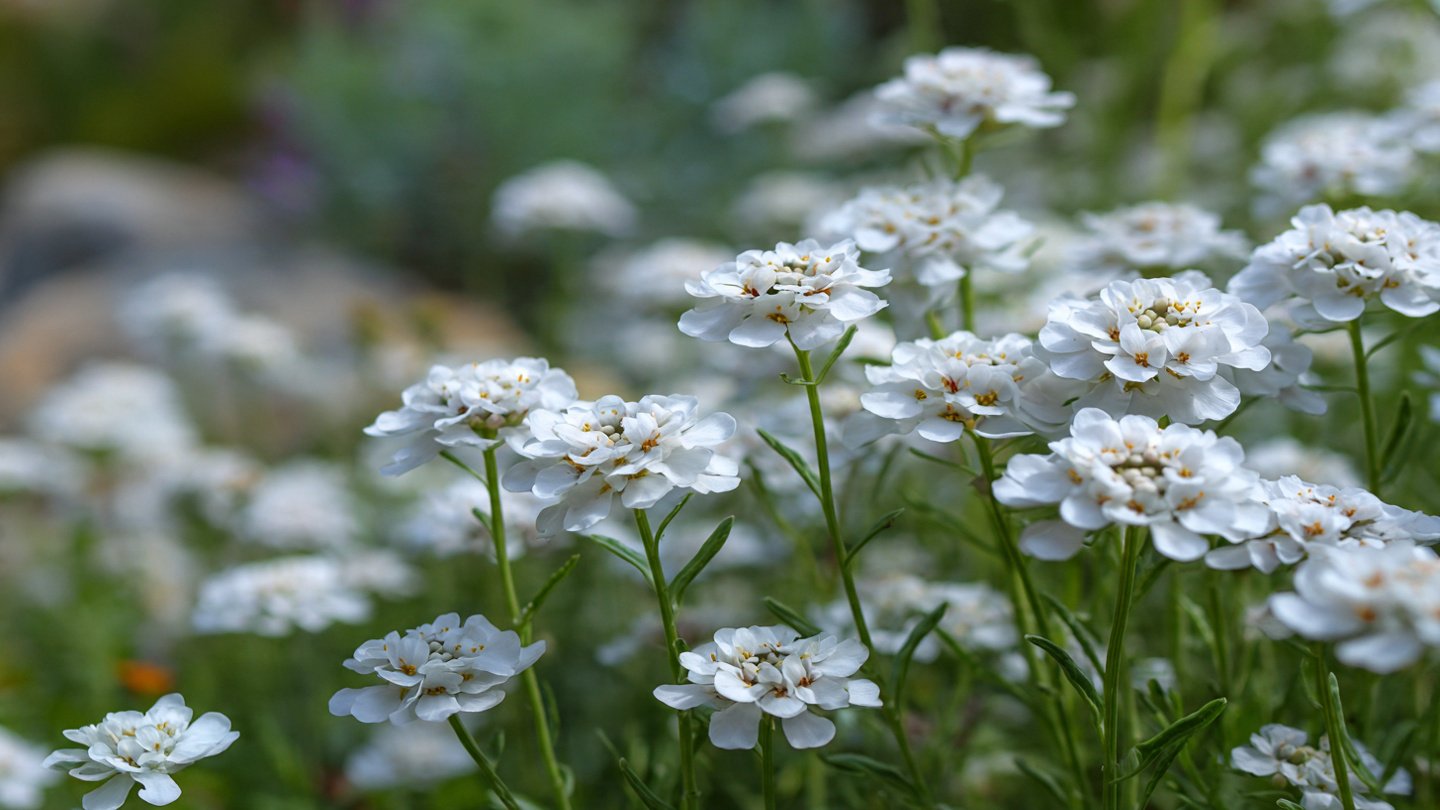
Gardening can be an incredibly rewarding pastime, and one of the joys of cultivating plants is experiencing the rich colors and fragrances that different species provide. Among the lovely flowers that can brighten any garden is Candytuft (Iberis umbellata). This beautiful, perennial plant is known for its vibrant white, pink, or purple blooms, offering a delightful boost to your garden landscape. Growing candytuft from seed is not only economical, but it also allows you to have full control over your gardening experience. In this article, we will explore the step-by-step process of growing candytuft from seed, tips for care, and how to create enchanting displays in your garden.
Understanding Candytuft
Candytuft is native to Europe and Asia and thrives in temperate climates. It grows well in well-drained soil and is often used as a border plant, ground cover, or in rock gardens. The flowers typically bloom from late spring to early summer, attracting pollinators such as bees and butterflies, making it a valuable addition to any garden.
Latest Posts
- A Comprehensive Guide to Successfully Growing Grape Vines in Your Backyard for Beginners and Experts Alike
- Best Tips for Successful Mango Growth in Containers
- Discover the Simple Steps for Successfully Growing Coriander in a Pot
- Discovering the Ultimate Guide to Growing African Violets from Leaf Cuttings
- Simple Techniques for Successfully Growing Seedless Grapes in Home Gardens
- Ultimate Guide to Growing Balsam Plants Naturally for Vibrant Blooms
- Discover the Secrets to Growing Lush Leek Leaves with Simple Hacks for Beginners
- How to Successfully Cultivate Sweet Cherries in the Unique Climate of Canada
- The Ultimate Guide to Successfully Growing Beautiful Succulent Garden Plants at Home
- A Comprehensive Guide to Growing Dhania from Seeds for Beginners
Benefits of Growing Candytuft
-
Aesthetic Appeal: The picturesque clusters of flowers offer a beautiful burst of color.
-
Pollinator Friendly: Attracts butterflies and bees, contributing to a healthy ecosystem.
-
Easy to Grow: Requires minimal care, making it an excellent choice for novice gardeners.
-
Versatile: Suitable for garden beds, borders, and containers.
-
Resilient: Handles poor soil conditions and is drought-tolerant once established.

Getting Started: Supplies Needed
To successfully grow candytuft from seed, gather the following supplies:
-
Candytuft Seeds: Choose seeds from a reputable source. Make sure you select either the annual or perennial variety based on your needs.
-
Seed Starting Medium: A light, well-draining seed starting mix is ideal.
-
Seed Trays or Pots: If starting indoors, use seed trays or small pots. For outdoor planting, prepare garden beds or plots.
-
Water Spray Bottle: To prevent over-watering and ensure gentle watering.
-
Plastic Wrap or a Humidity Dome: To maintain moisture during germination.
-
Labels: To keep track of your seeds and planting dates.
Step-by-Step Process to Grow Candytuft from Seed
1. Choose the Right Timing

Candytuft seeds can be started indoors 6-8 weeks before the last expected frost in your area. Alternatively, if you prefer to sow directly outdoors, do so after the danger of frost has passed and the soil temperature reaches about 60°F (15°C).
2. Prepare the Seed-Starting Medium
Fill your seed trays or pots with the seed starting medium, leaving about half an inch from the top. Moisten the soil slightly, ensuring it is damp but not soggy. This will create an ideal environment for germination.
3. Sowing the Seeds
Sprinkle the seeds evenly over the surface of the soil, following the recommended spacing guidelines (usually 12 inches apart once they mature if in the garden). Lightly press the seeds into the soil but do not cover them, as they require light to germinate.
4. Cover for Humidity
To maintain humidity and warmth, cover the seed trays with plastic wrap or a humidity dome. Place the trays in a warm location (ideally between 65-70°F or 18-21°C).
5. Watering
Check the soil daily for moisture. Use a spray bottle to mist the soil lightly. Avoid over-watering, as candytuft seeds are prone to rot if left in overly wet conditions.
6. Germination
After about 10-14 days, you should see tiny sprouts emerging from the soil. As soon as the seedlings appear, remove the plastic covering to allow air circulation.
7. Transplanting the Seedlings

Once your seedlings develop two to three sets of true leaves and are about 2-3 inches tall, they are ready for transplantation. If you started them indoors, harden them off first by moving them outdoors for a few hours each day, increasing the time gradually over a week.
8. Choosing the Right Location
Candytuft prefers full sun to partial shade and thrives in well-drained soil. Before planting, ensure that the area is weed-free and the soil is loosened. Add some organic compost for improved soil fertility.
9. Planting in Beds
Dig a hole for each seedling that is large enough to accommodate the root ball. Space the plants about 12-15 inches apart to allow for their growth pattern. Gently place each seedling into its hole and cover the roots with soil while ensuring the crown of the plant (where the stem meets the roots) is at soil level.
10. Watering After Planting
Immediately water the newly transplanted seedlings to help them settle in. Keep the soil consistently moist but not soggy for the first few weeks as they establish their root systems.
Caring for Your Candytuft Plants
While candytuft is relatively low-maintenance, it still requires some basic care:
-
Watering: Once established, candytuft is drought-tolerant. Water during prolonged dry spells, particularly during the blooming season.
-
Fertilizing: A light application of balanced fertilizer in early spring can encourage healthy growth. However, avoid over-fertilizing, as this may lead to reduced flowering.

-
Mulching: Applying a layer of mulch can help retain soil moisture, suppress weeds, and maintain a stable soil temperature.
-
Deadheading: To promote continuous blooming, regularly snip off faded flowers before they set seed.
-
Pest Control: Watch for common pests like aphids and slugs and manage them accordingly. Beneficial insects can help keep pest populations in check.
Creating Beautiful Displays in Your Garden
Candytuft’s charming flowers can be used in various garden designs:
-
Borders: Use candytuft along pathways or garden edges for a spectacular color show.
-
Rock Gardens: Its low growth habit makes it ideal for rock gardens, where it can spill over stones.
-
Mixed Beds: Combine candytuft with other spring flowering plants like daffodils or tulips for a lively display.
-
Containers: Grow candytuft in pots or hanging baskets for added interest on patios or decks.

-
Cut Flowers: The blooms make excellent cut flowers for arrangements, providing a touch of elegance to indoor spaces.
Common Challenges and Solutions
1. Poor Germination Rate
Ensure that seeds are fresh and planted at the right time. Also, provide sufficient light and moisture for optimal germination.
2. Leggy Growth
This usually happens in low-light conditions. Ensure your seedlings receive plenty of sunlight or use grow lights when starting them indoors.
3. Mildew or Fungal Issues
Avoid water accumulation on foliage to reduce the risk of mildew. If necessary, use an organic fungicide for treatment.
Conclusion
Growing candytuft from seed is a straightforward and fulfilling project that can transform your garden into a colorful abode. With minimal requirements and the ability to thrive in various conditions, candytuft is an excellent choice for both novice and experienced gardeners alike. Follow the steps outlined in this article, and soon you will enjoy the sight of these lovely flowers adorning your garden, inviting bees, butterflies, and the admiration of your friends and family. Happy gardening!