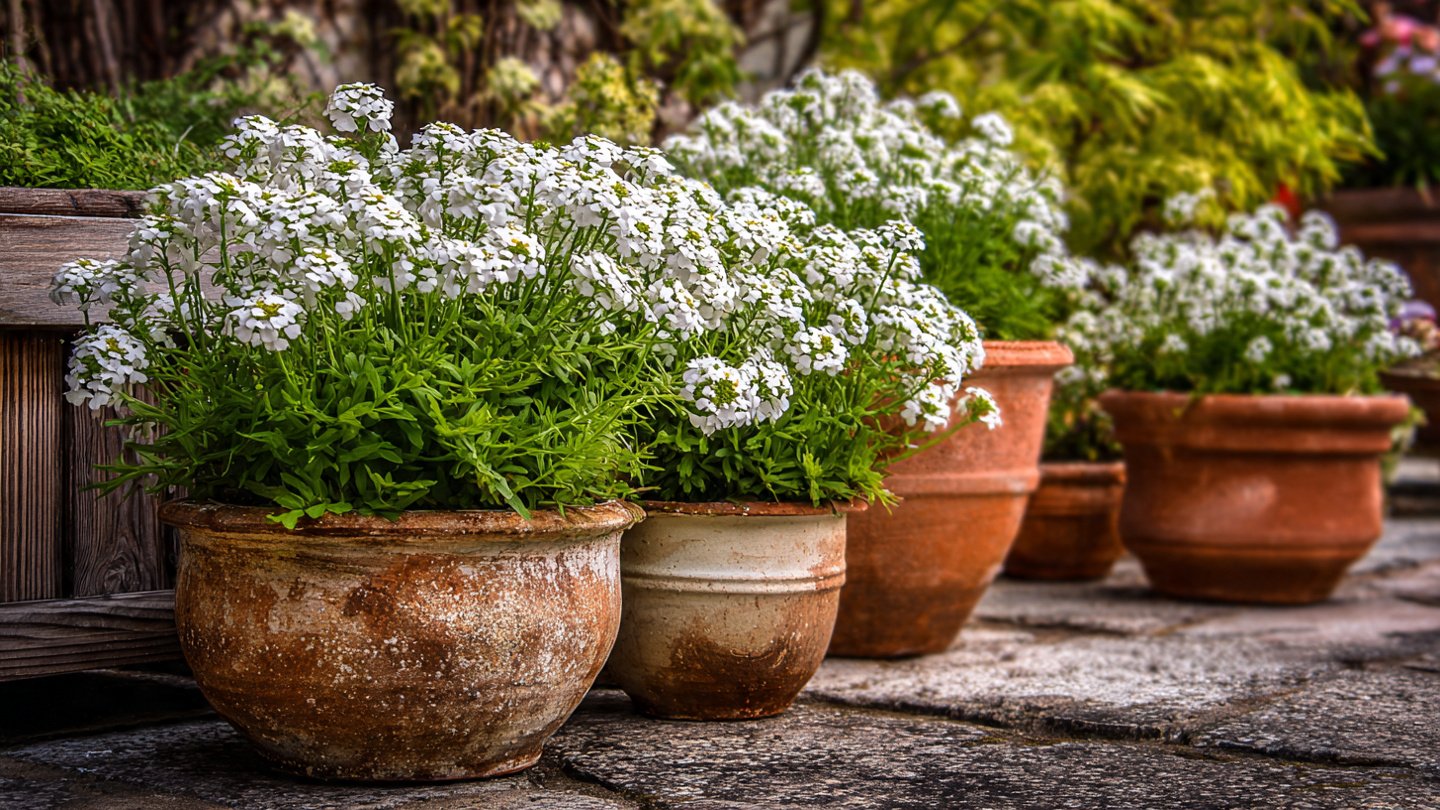
Iberis, commonly known as candytuft, is a charming and colorful addition to any garden. Its perennial and annual varieties offer a burst of white, pink, or purple flowers, making them popular among gardeners looking for low-maintenance yet vibrant plants. Growing Iberis in pots is particularly advantageous for those with limited space or poor soil. In this guide, we will explore essential tips and techniques to ensure your Iberis plants thrive when cultivated in containers.
Understanding Iberis
Before diving into planting techniques, it’s essential to understand Iberis. While most species of Iberis are native to Europe, they have adapted well to different climates across the globe. Typically, these plants bloom in spring, creating a dazzling display that can last several weeks. The foliage is typically needle-like and evergreen, providing a lush background for the blossoms.
Latest Posts
- A Comprehensive Guide to Successfully Growing Grape Vines in Your Backyard for Beginners and Experts Alike
- Best Tips for Successful Mango Growth in Containers
- Discover the Simple Steps for Successfully Growing Coriander in a Pot
- Discovering the Ultimate Guide to Growing African Violets from Leaf Cuttings
- Simple Techniques for Successfully Growing Seedless Grapes in Home Gardens
- Ultimate Guide to Growing Balsam Plants Naturally for Vibrant Blooms
- Discover the Secrets to Growing Lush Leek Leaves with Simple Hacks for Beginners
- How to Successfully Cultivate Sweet Cherries in the Unique Climate of Canada
- The Ultimate Guide to Successfully Growing Beautiful Succulent Garden Plants at Home
- A Comprehensive Guide to Growing Dhania from Seeds for Beginners
Key Characteristics of Iberis:
- Light Requirements: Iberis prefers full sun to thrive, needing at least 6 hours of direct sunlight daily.
- Soil: Well-drained soil is crucial to prevent root rot and other fungal diseases.
- Watering: These plants require regular watering but should not be overwatered.
- Hardiness: Iberis can adapt to various climatic conditions, but some varieties are more suited to cooler climates.
Choosing the Right Container
Selecting the right pot is a fundamental step in successfully growing Iberis. Here are some considerations:
-
Size: Choose a pot that is at least 12 inches wide and deep. Iberis has a shallow root system, so deep pots are not essential, but sufficient width enables roots to spread out and absorb nutrients effectively.
-
Material: Terra cotta pots are ideal for Iberis, as they allow for better drainage compared to plastic. However, if you opt for plastic pots, ensure there are adequate drainage holes.
-
Drainage: Ensure that the container has drainage holes in the bottom to prevent excess water accumulation, which can lead to root rot.
-
Weight: Consider the weight of the pot, particularly if you plan to move it indoors during the colder months. Lightweight materials are easier to handle but may not provide as much stability.

Soil Preparation
The next step involves preparing the right soil mixture for your Iberis plants. Given that Iberis thrives in well-drained environments, proper soil preparation is crucial.
-
Potting Mix: A commercially available potting mix that contains peat moss, perlite, and vermiculite is generally suitable. This mix provides aeration and moisture retention.
-
Adding Sand: To enhance drainage, consider mixing a portion of coarse sand or gravel into the potting mix. A common ratio is 2 parts potting mix to 1 part sand.
-
pH Level: Iberis prefers slightly alkaline soil with a pH between 6.0 and 8.0. You can test your soil’s pH using a home testing kit and adjust accordingly by adding lime to increase alkalinity.
Planting Iberis
Now that you have selected your container and prepared the soil, it’s time to plant your Iberis.
-
Timing: The best time to plant Iberis is in early spring or fall. This timing allows the plants to establish their root systems before facing extreme temperatures.
-
Spacing: If planting multiple Iberis in one container, ensure there is adequate spacing—about 6 to 12 inches between each plant. This space allows for air circulation and minimizes competition for nutrients.
-
Planting Depth: Make a hole in the potting mix slightly larger than the root ball of your Iberis plant. Place the plant in the hole, ensuring the crown is level with the soil surface, and gently pack the soil around it.
Watering Your Iberis
Watering is an essential aspect of caring for potted Iberis.
-
Initial Watering: After planting, water the Iberis thoroughly to help settle the soil and eliminate air pockets.
-
Frequency: For the initial weeks after planting, keep the soil moist but not soggy. Once established, Iberis is drought-tolerant, but maintaining a regular watering schedule during dry spells is essential, particularly during blooming seasons.
-
Signs of Overwatering: Watch for yellowing leaves and mushy roots, which indicate overwatering. If this occurs, allow the soil to dry out before watering again.
Fertilization
Iberis is generally a low-maintenance plant, but supplemental feeding can enhance growth and blooms.
-
Type of Fertilizer: Use a balanced, water-soluble fertilizer (like a 10-10-10 or 20-20-20 formulation) or a slow-release fertilizer in spring to promote healthy growth.
-
Application: Apply fertilizer at half strength about every four to six weeks during the growing season. Avoid over-fertilizing, as this can result in lush foliage at the expense of flowers.
Light Requirements
As mentioned, Iberis loves sunlight.
-
Optimal Placement: Place your pot in a location where it will receive full sun for at least 6 hours each day. A south-facing patio or balcony is often ideal.
-
Indoor Care: If you’re growing Iberis indoors, consider using grow lights to supplement natural sunlight, especially during the shorter days of winter.
Pruning Iberis
Regular pruning is important for maintaining the health and appearance of Iberis.
-
Post-Bloom Care: After flowering, remove dead blooms by cutting them back to encourage further blooming and prevent the plant from going to seed.
-
Shape and Size: Prune back any leggy growth to promote bushier growth and maintain the desired shape.
-
Frequency: Prune in the early spring before new growth begins to keep your Iberis looking tidy throughout the blooming season.
Pests and Diseases
While Iberis is relatively pest-resistant, it’s still important to be vigilant.
-
Common Pests: Watch for aphids and spider mites. If detected, treat with insecticidal soap or neem oil.
-
Fungal Diseases: Excess moisture can lead to fungal diseases like powdery mildew. Ensure proper drainage and avoid overhead watering to minimize this risk.
-
Resilient Species: While some Iberis species are more resistant to pests, keeping your plants healthy through good cultural practices is the best way to minimize infestations.

Winter Care
If you live in a region with harsh winters, you need to protect your Iberis.
-
Indoor Care: Move pots indoors if temperatures drop below freezing. Place them in a well-lit area and reduce watering until the spring.
-
Mulching: If you keep Iberis outside, apply a layer of mulch to protect the roots from extreme cold.
-
Watering in Winter: Even in winter, Iberis needs occasional watering. Ensure the soil doesn’t completely dry out, but avoid overwatering.
Conclusion
Growing Iberis in pots can be a rewarding experience that brings color and vibrancy to your space, whether it’s a balcony, patio, or small garden. By ensuring you choose the right container, prepare your soil adequately, and provide proper care—including sunlight, watering, and pest management—you can create a thriving environment for your Iberis plants. With these essential tips, you’ll be well on your way to enjoying beautiful blooms that brighten your days year after year!
Experiment, observe, and adjust your care regimens according to the specific needs of your plants, and you will soon be the proud owner of a stunning Iberis display. Happy gardening!