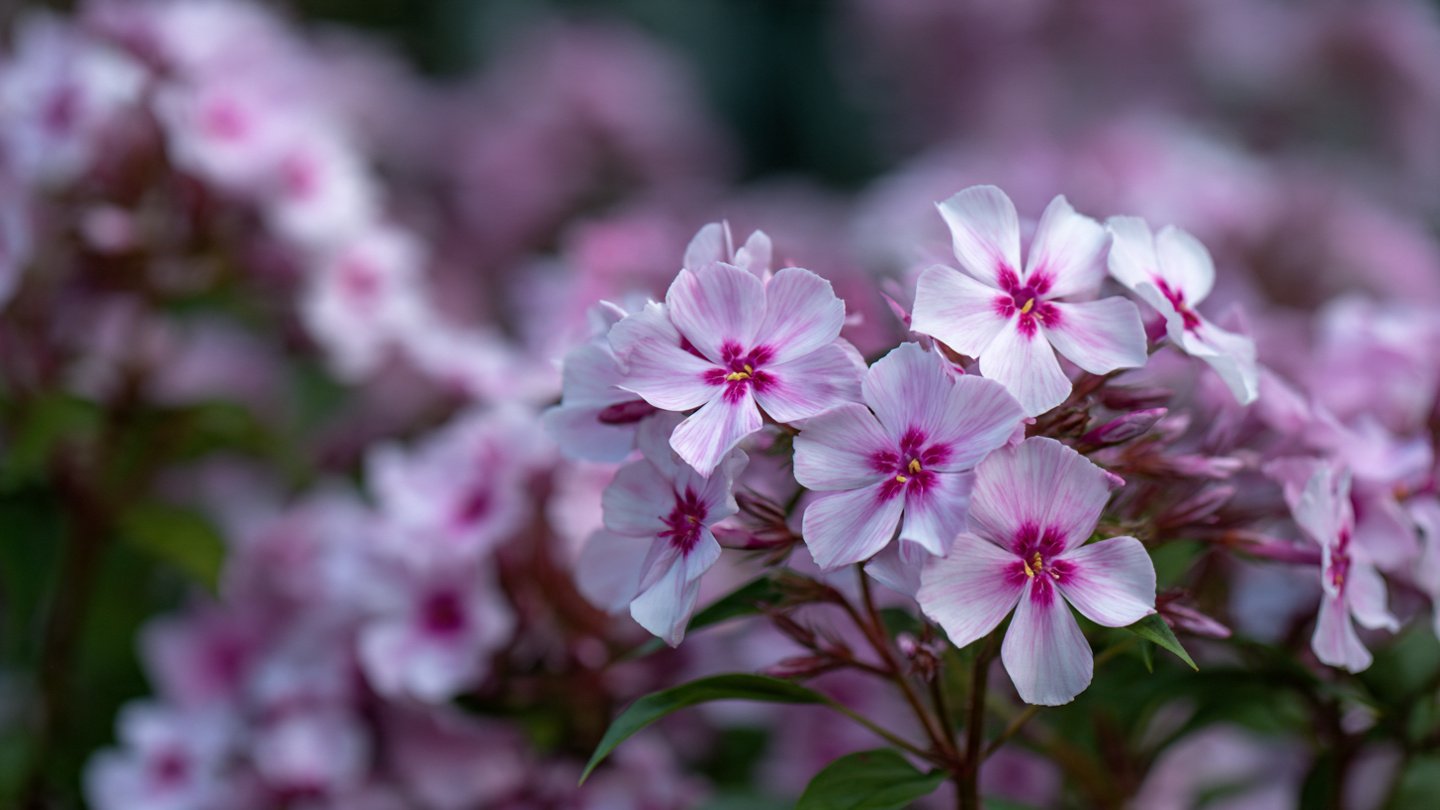
Phlox flowers are a delightful addition to any garden, ranging from perennial species to annual varieties, boasting a spectrum of colors and fragrances. Known for their ability to attract pollinators, these charming blooms can brighten landscapes and indoor settings alike. Fortunately, growing phlox at home is straightforward with the right approach. This article outlines the essential steps for cultivating these lovely flowers, along with a FAQs section at the end to address common questions.
Understanding Phlox
Before diving into the growing process, it’s important to understand the different types of phlox and their characteristics:
Latest Posts
- A Comprehensive Guide to Successfully Growing Grape Vines in Your Backyard for Beginners and Experts Alike
- Best Tips for Successful Mango Growth in Containers
- Discover the Simple Steps for Successfully Growing Coriander in a Pot
- Discovering the Ultimate Guide to Growing African Violets from Leaf Cuttings
- Simple Techniques for Successfully Growing Seedless Grapes in Home Gardens
- Ultimate Guide to Growing Balsam Plants Naturally for Vibrant Blooms
- Discover the Secrets to Growing Lush Leek Leaves with Simple Hacks for Beginners
- How to Successfully Cultivate Sweet Cherries in the Unique Climate of Canada
- The Ultimate Guide to Successfully Growing Beautiful Succulent Garden Plants at Home
- A Comprehensive Guide to Growing Dhania from Seeds for Beginners
-
Phlox paniculata (Garden Phlox): A tall perennial that produces large clusters of colorful flowers. They are typically grown in sunny borders.
-
Phlox subulata (Creeping Phlox): A low-growing variety that forms a carpet of flowers, perfect for rock gardens and ground cover.
-
Phlox drummondii (Annual Phlox): This annual type flowers throughout the summer and is often used in borders and containers.
-
Phlox stolonifera (Moss Phlox): Grows best in shaded areas and produces lovely blooms in the spring.
Understanding these varieties will help you choose the best type for your gardening needs.
Step 1: Selecting the Right Location
Phlox thrives in full sun, although some varieties can tolerate partial shade. Here’s what to consider when selecting a location:

- Light: Aim for at least 6 to 8 hours of sunlight daily.
- Soil: Well-drained, fertile soil is essential. Phlox prefers a pH level between 6.0 and 7.0.
- Space: Choose a location with ample space for air circulation, especially for taller varieties, to minimize the risk of powdery mildew.
Step 2: Preparing the Soil
Healthy soil is crucial for flourishing phlox plants. Here’s how to prepare it:
-
Testing the Soil: Conduct a soil test to check the pH and nutrient levels. Many local gardening stores offer kits for this purpose.
-
Amending the Soil: If your soil is too acidic or lacking nutrients, amend it with lime (for acidity) or compost (for nutrients).
-
Tilling: Loosen the top 12 inches of soil to improve aeration and drainage.
-
Adding Organic Matter: Incorporate organic materials like compost or well-rotted manure to improve soil structure.
Step 3: Planting Phlox
You can grow phlox from seeds, cuttings, or nursery plants. Here’s how to plant them effectively:

Planting Seeds
-
Timing: Start seeds indoors 6-8 weeks before the last frost or sow them directly into the garden after the frost.
-
Sowing: Plant seeds in moist soil, covering them lightly with soil. Keep the area consistently moist until germination.
Planting Nursery Plants or Cuttings
-
Spacing: Space plants 12 to 24 inches apart, depending on the variety.
-
Depth: Dig a hole slightly wider than the root ball and just deep enough so that the top of the root ball is level with the soil surface.
-
Transplanting: Gently remove the plant from its container, place it in the hole, and fill the space with soil, firming it gently around the base.
-
Watering: Immediately water the newly planted phlox thoroughly to help settle the soil.
Step 4: Watering
Phlox requires consistent moisture, especially during dry spells. Here’s how to manage watering:

- Frequency: Water once a week, allowing about an inch of water to penetrate deep into the soil.
- Humidity: Avoid overhead watering, which can encourage fungal diseases. Instead, water at the base of the plants.
- Mulching: Apply a layer of mulch around the plants to retain moisture and suppress weeds.
Step 5: Fertilizing
To encourage lush growth and abundant blooms, fertilize your phlox appropriately:
-
Type of Fertilizer: Use a balanced fertilizer, such as a 10-10-10 N-P-K formulation.
-
Application: Apply fertilizer in early spring as new growth begins and again after blooming, following package directions for specific amounts.
-
Organic Options: Consider organic options like compost tea or fish emulsion for a nutrient boost.
Step 6: Pruning and Maintenance
Maintaining your phlox plants throughout the growing season is important for health and longevity:
-
Deadheading: Remove spent blooms to encourage new growth and prevent the plants from diverting energy to seed production.
-
Pruning: Cut back leggy growth in early spring to promote bushier plants.
-
Pest Management: Check for common pests like aphids or spider mites. Use insecticidal soap or neem oil for treatment.
-
Disease Control: Maintain air circulation by spacing plants adequately and avoiding overhead watering to prevent powdery mildew.
Step 7: Preparing for Winter
Phlox are hardy, but preparing them for winter can ensure they return robust in spring:
-
Cutting Back: After the first frost, cut back the plants to about 6 inches above the ground to minimize winter damage.
-
Mulching: Add a layer of mulch over the root zone to protect against freezing temperatures.
-
Dividing: Every 3-4 years, consider dividing phlox to promote healthy growth and prevent overcrowding.
Conclusion

With simple steps from choosing the right location to maintaining light, water, and nutrients, you can cultivate beautiful phlox flowers at home. Their vibrant colors and sweet fragrance will not only enhance your garden but also attract butterflies and other pollinators.
FAQs
1. How often should I water phlox?
Water phlox once a week, ensuring the soil remains consistently moist, especially during hot, dry periods.
2. What pests are common with phlox?
Common pests include aphids, spider mites, and slugs. Regular inspections and timely treatments can help manage these pests.
3. Can phlox thrive in shaded areas?
Some varieties, like moss phlox, can tolerate shade, but most others prefer full sun.
4. When should I fertilize phlox?
Fertilize in early spring as they begin to grow and again after the blooming period to encourage more flowers.
5. Is phlox deer-resistant?
Generally, phlox is not deer-resistant, but some gardeners report less damage due to the strong fragrance of certain varieties.
6. How do I propagate phlox?
Phlox can be propagated by seeds, cuttings, or dividing established clumps during the fall or early spring.
By following these guidelines and caring for your phlox flowers, you’ll enjoy a vibrant garden that flourishes through the seasons. Remember—patience and consistent care are key to a successful garden!