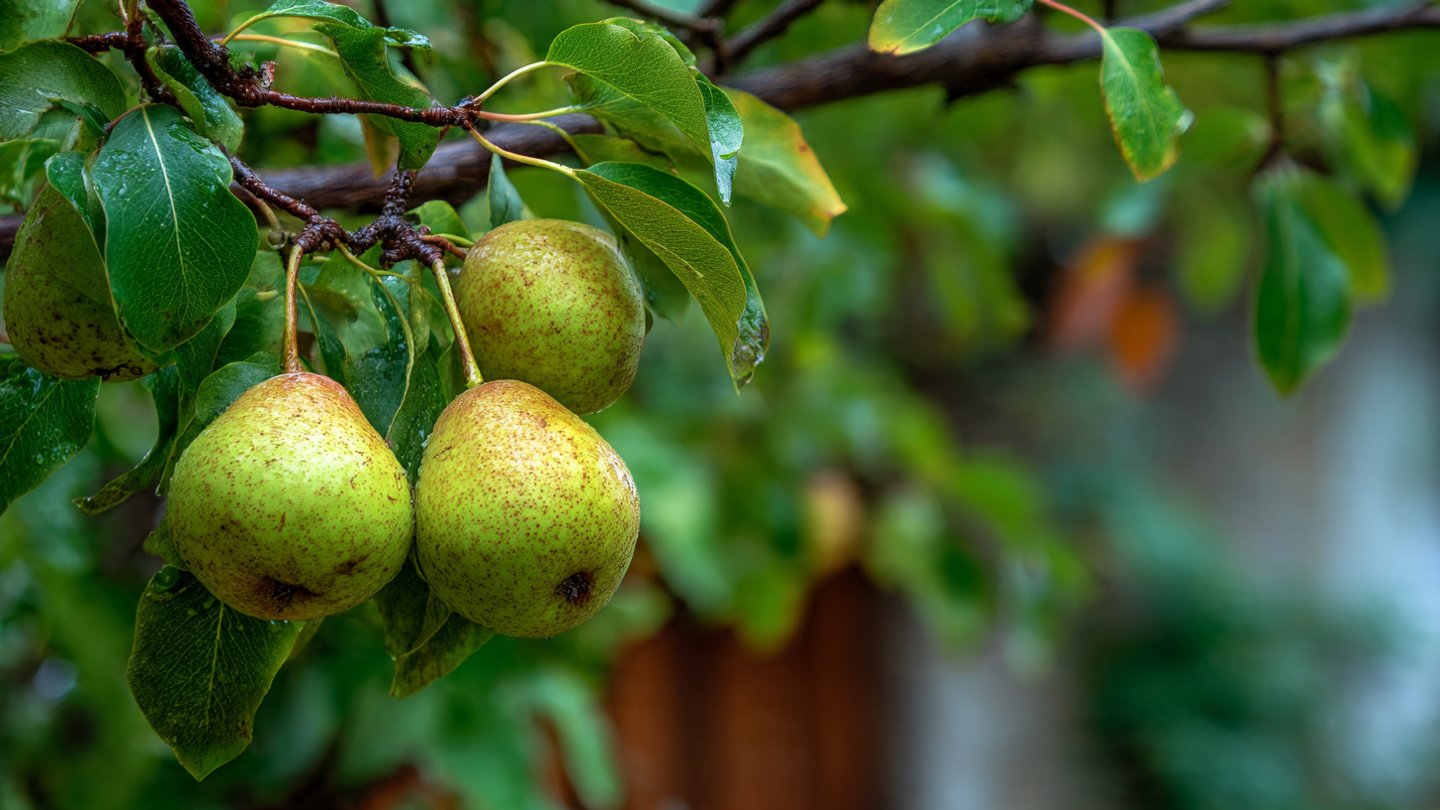
Growing your own fruit can be an incredibly rewarding experience, and cultivating Bartlett pears is no exception. This popular pear variety is celebrated for its sweet flavor, smooth texture, and versatility in culinary uses. Whether you dream of enjoying fresh pears straight from the tree or want to make delicious desserts, growing Bartlett pears at home is achievable with the right approach. This guide takes you through easy steps to cultivate Bartlett pears successfully, ensuring a bountiful harvest.
Understanding Bartlett Pears
Before diving into cultivation, it’s crucial to understand the Bartlett pear’s characteristics. Originating in England, this variety has become highly popular in many regions. Bartlett pears are typically green when unripe, turning to a rich golden-yellow when they’re ready to be picked. They are best enjoyed when fully ripe, as their flavor sweetens considerably.
Latest Posts
- A Comprehensive Guide to Successfully Growing Grape Vines in Your Backyard for Beginners and Experts Alike
- Best Tips for Successful Mango Growth in Containers
- Discover the Simple Steps for Successfully Growing Coriander in a Pot
- Discovering the Ultimate Guide to Growing African Violets from Leaf Cuttings
- Simple Techniques for Successfully Growing Seedless Grapes in Home Gardens
- Ultimate Guide to Growing Balsam Plants Naturally for Vibrant Blooms
- Discover the Secrets to Growing Lush Leek Leaves with Simple Hacks for Beginners
- How to Successfully Cultivate Sweet Cherries in the Unique Climate of Canada
- The Ultimate Guide to Successfully Growing Beautiful Succulent Garden Plants at Home
- A Comprehensive Guide to Growing Dhania from Seeds for Beginners
Step 1: Select the Right Location
Choosing a suitable location is essential for successful cultivation. Bartlett pears thrive in:
- Full Sunlight: Ensure your tree receives at least 6-8 hours of direct sunlight each day to promote healthy growth and fruit production.
- Well-Drained Soil: Sandy loam or clay soils with good drainage are ideal. Avoid areas prone to standing water, which can lead to root rot.
- Circulation: Good air circulation around the tree is vital to prevent diseases. Avoid planting near crowded areas or other trees that may hinder airflow.
Step 2: Choose the Right Variety
While ‘Bartlett’ is the most well-known, different cultivars exist, each with its own characteristics. If you plan to plant several trees, consider adding another variety for cross-pollination, which often leads to better fruit yields. ‘Bosc’ or ‘Anjou’ pears make excellent companions.
Step 3: Preparing the Soil
Preparation begins with soil testing. Consider the following steps:
-
Soil Testing: Test your soil’s pH level; Bartlett pears prefer a pH range of 6.0 to 7.0. You can purchase a soil testing kit or send a sample to a local agricultural extension office.
-
Amendments: Based on the test results, you may need to amend your soil. Adding compost can improve soil structure and nutrient content. Lime can raise pH levels, while sulfur can lower them.
-
Tilling: Thoroughly till the soil to a depth of at least 12 inches, mixing in any amendments.
Step 4: Planting the Trees
Once your soil is prepared, it’s time to plant your Bartlett pears. Follow these guidelines:
-
Timing: The best time to plant pear trees is in early spring or late fall when the trees are dormant.
-
Spacing: Plant your trees at least 15-20 feet apart to give them enough room to grow.
-
Planting Hole: Dig a hole that is twice as wide and as deep as the tree’s root ball. This promotes better root growth.
-
Placement: Place the tree in the hole, ensuring the graft union (where the tree was grafted onto the rootstock) is above soil level.
-
Backfill: Fill the hole with soil, gently packing it down to eliminate air pockets. Water the tree thoroughly after planting.
Step 5: Watering Regimen
Proper watering is crucial, especially in the initial stages:
- First Year: Water your newly planted tree once a week, ensuring the soil remains moist but not waterlogged.
- Established Trees: Once established, Bartlett pears require watering during dry spells. A deep watering every 2-4 weeks should suffice.
Step 6: Fertilization
Fertilizing your tree aids in healthy growth:
-
Organic Fertilizer: Use a balanced organic fertilizer in early spring as new growth begins. Avoid high-nitrogen fertilizers which may promote leaf growth over fruit.
-
Follow-Up: Fertilize again in late summer to support fruit development. Generally, around 1-2 pounds per year for young trees is adequate, gradually increasing as the tree matures.
Step 7: Pruning
Pruning is essential for maintaining your Bartlett pear’s health and productivity:
- Timing: The best time to prune is during late winter or early spring when the tree is dormant.
- Technique: Remove any dead, diseased, or crossing branches. Aim to create an open center to allow sunlight and air circulation.
- Shaping: Gradually shape the tree, focusing on creating a strong structure that can support fruiting branches.
Step 8: Pest and Disease Management
Adapt a proactive approach towards pest and disease control:
- Common Pests: Monitor for aphids, pear psylla, and codling moths. Use organic insecticidal soap or neem oil as needed.
- Diseases: Watch for signs of fire blight—a vexing bacterial disease. Prune out infected areas immediately and dispose of them properly.
Step 9: Harvesting

Knowing when to harvest is key to enjoying your Bartlett pears at their best:
-
Timing: Bartlett pears typically ripen in late summer to early fall. Harvest when they are still firm, as they will ripen off the tree.
-
Color Check: Look for a change in color from green to yellow for visual confirmation.
-
Gentle Handling: Carefully twist or cut the pear from the stem to avoid damaging the fruit.
Step 10: Storing and Enjoying
After harvesting, proper storage ensures you enjoy your pears for longer:
- Ripening: Allow pears to ripen at room temperature. Once ripe, refrigerate to prolong freshness.
- Enjoying: Bartlett pears are delicious fresh, in salads, or cooked in recipes like pies and tarts.
Additional Tips for Success
- Mulching: Apply a layer of organic mulch around the base of the tree to retain moisture and suppress weeds.
- Companion Planting: Consider planting herbs or flowers nearby to attract beneficial insects.
- Watch for Signs: Monitor your tree for any changes, ensuring you catch issues early.
FAQs
1. How long does it take for Bartlett pears to bear fruit?
Typically, Bartlett pear trees start producing fruit in 3-5 years after planting, depending on growing conditions and care.
2. Can Bartlett pears be grown in pots?
Yes, dwarf varieties of Bartlett pears can be successfully grown in large pots. Ensure the pot has good drainage and provide sufficient nutrients and watering.
3. Do I need multiple pear trees for pollination?
While Bartlett pears can self-pollinate, planting another variety nearby aids in better fruit production.
4. What are common pests for Bartlett pears?
Aphids, pear psylla, and codling moths are among the common pests. Regular monitoring and treatment can prevent infestations.
5. Can I prune my Bartlett pear tree too much?
Yes, excessive pruning can stress the tree and reduce fruit yield. Focus on moderate, annual pruning to maintain shape and health.
Conclusion
Cultivating Bartlett pears at home is an enriching endeavor that can yield delicious rewards. By following these steps and providing consistent care, you’ll pave the way for a fruitful harvest. With time and patience, you’ll be able to enjoy the sweet taste of homegrown Bartlett pears, creating cherished memories with every bite. Happy gardening!