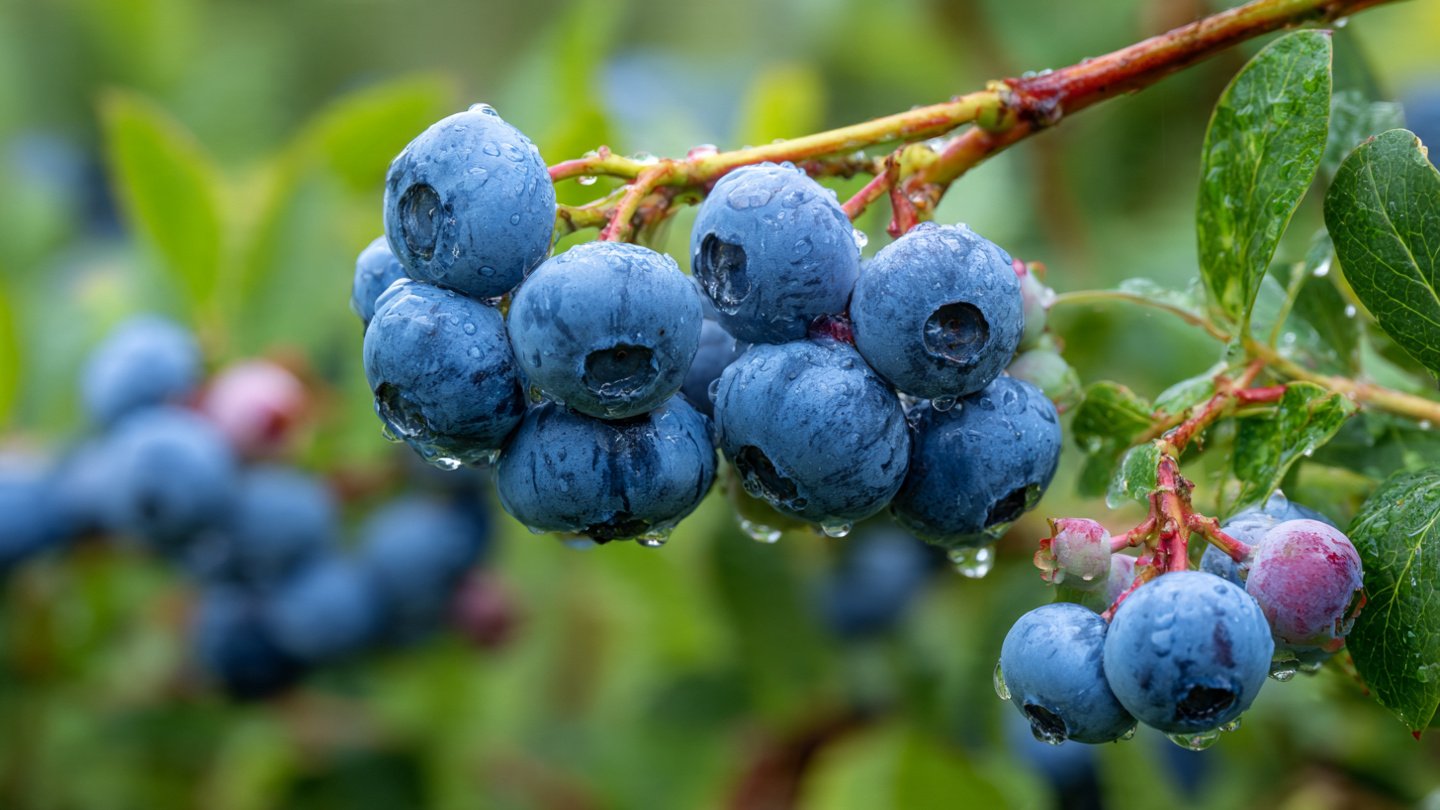
Growing blueberries in Canadian climates can be a rewarding experience. These fruits are not only delicious but also packed with nutrients and antioxidants. However, the climate varies greatly across Canada, posing unique challenges to blueberry cultivation. With the right techniques and knowledge, gardeners can successfully grow these berry bushes. This article will discuss the essential requirements for growing blueberries in Canada, optimal plant varieties, soil preparation, care techniques, and potential challenges.
Understanding the Canadian Climate
Canada’s diverse climate ranges from temperate on the west coast to subarctic in the northern territories. The ideal climate for blueberries is characterized by acidic soil, ample sunlight, and well-drained conditions. Most blueberries thrive in USDA hardiness zones 3 to 8, which encompasses a large portion of Canada.
Latest Posts
- A Comprehensive Guide to Successfully Growing Grape Vines in Your Backyard for Beginners and Experts Alike
- Best Tips for Successful Mango Growth in Containers
- Discover the Simple Steps for Successfully Growing Coriander in a Pot
- Discovering the Ultimate Guide to Growing African Violets from Leaf Cuttings
- Simple Techniques for Successfully Growing Seedless Grapes in Home Gardens
- Ultimate Guide to Growing Balsam Plants Naturally for Vibrant Blooms
- Discover the Secrets to Growing Lush Leek Leaves with Simple Hacks for Beginners
- How to Successfully Cultivate Sweet Cherries in the Unique Climate of Canada
- The Ultimate Guide to Successfully Growing Beautiful Succulent Garden Plants at Home
- A Comprehensive Guide to Growing Dhania from Seeds for Beginners
Temperature
Blueberries require cold winters to induce dormancy, which is essential for their lifecycle. However, the key is not just cold but a gradual transition from winter to spring. Excessive temperature fluctuations can lead to bud damage. For most blueberry varieties, temperatures between -15°C to -30°C are acceptable during winter dormancy.
Sunlight
Blueberries thrive in full sunlight. Ideally, they should receive at least 6 to 8 hours of direct sunlight daily. Shade can hinder fruit production and reduce overall plant health.
Precipitation
Blueberries require consistent moisture, especially during fruit development. Canadian climates can be quite varied in terms of rainfall, so supplementary irrigation may be necessary during dry spells.
Choosing the Right Blueberry Varieties
When selecting blueberry plants, it’s essential to choose varieties suited for Canadian climates. Here are some of the best choices:
Lowbush Blueberries
Native to Canada, lowbush blueberries (Vaccinium angustifolium) are hardy and well-adapted to the Canadian climate. They thrive in poor soil conditions and are relatively low maintenance. These plants grow close to the ground and produce small, flavorful berries.

Highbush Blueberries
Highbush blueberries (Vaccinium corymbosum) are more commonly cultivated for their larger fruit. Some popular varieties include:
- Bluecrop: This variety is adaptable and resistant to many diseases. It produces generous harvests of medium-sized berries.
- Patriot: Known for its cold hardiness, Patriot can withstand the harsh Canadian winters while still producing large, sweet berries.
- Northcountry: These are particularly well-suited for northern climates and yield sweet, medium-sized fruits.
Soil Preparation and Planting
Soil Requirements
Blueberries require acidic soil (pH 4.5 to 5.5) for optimal growth. Conduct a soil test to determine pH levels. If your soil is neutral or alkaline, consider amending it with elemental sulfur or Canadian sphagnum peat moss to lower the pH.
Drainage
Good drainage is crucial; blueberries do not like to sit in waterlogged soil. If your soil is heavy clay, consider planting in raised beds or mounding the soil to enhance drainage.
Planting Techniques
-
Spacing: Space plants about 1 to 1.5 meters apart to allow for airflow and sunlight penetration.
-
Planting Depth: Plant blueberries so that the root ball is just above soil level. Ensure that the crown of the plant is exposed to air, as burying it can lead to rot.
-
Watering: Thoroughly water the plants after planting and monitor moisture levels regularly.
Caring for Your Blueberries
Watering
Blueberries require about 2.5 cm of moisture weekly. In periods of drought, irrigate regularly. Drip irrigation is a highly efficient method, reducing the risk of diseases associated with wet foliage.
Mulching
Applying a layer of mulch, such as pine needles or wood chips, helps retain soil moisture, suppress weeds, and maintain an acidic environment.
Fertilization
Blueberries are sensitive to over-fertilization. Use a fertilizer formulated for acid-loving plants, typically applied in early spring. Be cautious with the application; too much nitrogen can lead to excessive leaf growth at the expense of fruit.
Pruning
Regular pruning is necessary to maintain healthy plants and encourage fruiting. Remove dead or diseased branches and thin out crowded areas to improve air circulation. Prune annually, ideally in early spring before new growth begins.
Managing Pests and Diseases
Pests and diseases can negatively impact blueberry plants. Common threats include:
Pests

-
Blueberry Maggot: The larvae can cause significant damage to the fruit. Use insect traps and maintain plant hygiene to manage their populations.
-
Aphids: These can weaken plants and transmit diseases. Insecticidal soap can be effective against infestations.
Diseases
-
Powdery Mildew: This fungal disease appears as white dust on leaves. Proper air circulation and timely pruning can help prevent outbreaks.
-
Phytophthora Root Rot: A consequence of poor drainage. Ensure adequate drainage and avoid overwatering to prevent this disease.
Seasonal Care and Harvesting
Spring Care
In spring, after the last frost, remove any remaining dead wood, apply mulch, and set up any required support structures for taller varieties.
Summer Care
During the growing season, monitor for pests and diseases. Water consistently, especially as fruit develops. Harvest berries when they are fully ripe; they should be deep blue and easily come off the stem with a gentle tug.
Fall Care
After harvest, prepare your plants for winter. Mulch around the base to protect the roots from freezing temperatures. Consider applying a balanced fertilizer to ensure nutrients are available for next season.

Winterizing Your Blueberries
In regions with particularly harsh winters, take extra measures to protect your blueberry bushes:
-
Burlap Wraps: For young plants, wrap them in burlap to shield them from extreme cold and wind.
-
Mulching: Apply a thick layer of mulch to insulate the roots.
-
Pruning: Avoid heavy pruning in late fall, as this can encourage new growth susceptible to frost damage.
Frequently Asked Questions (FAQs)
1. Can blueberries grow in pots?
Yes, blueberries can thrive in pots as long as the container is large enough for root development (at least 30 cm in diameter) and has good drainage.
2. How long does it take for blueberry plants to bear fruit?
Generally, blueberry plants will begin to produce fruit within 2-3 years after planting. Full production is usually reached around 5-6 years.
3. Is it necessary to have more than one variety for pollination?
While many highbush blueberries are self-pollinating, having multiple varieties can increase yields due to cross-pollination.

4. What is the best time to prune blueberry bushes?
The best time to prune is in early spring, before the new growth begins, or immediately after harvest.
5. Can I grow blueberries in Saskatchewan?
Yes, many varieties of blueberries can be successfully grown in Saskatchewan, especially the hardier lowbush and certain highbush varieties suited to colder climates.
6. How can I tell if my blueberries are ripe?
Ripe blueberries are fully colored (deep blue) and should detach easily from the bush with a gentle twist.
7. What should I do if my blueberries do not flower?
Lack of flowers can be due to several factors, including improper pruning, insufficient sunlight, or insufficient chilling hours during winter.
Conclusion
Growing blueberries in Canadian climates is entirely feasible with the right techniques and dedication. They provide delicious fruit, enhance garden aesthetics, and offer health benefits. By understanding the specific needs and challenges of blueberry cultivation, Canadian gardeners can enjoy a bountiful harvest year after year. Whether you choose lowbush or highbush varieties, with proper care and commitment, you’ll be rewarded with sweet, homegrown blueberries perfect for eating fresh, baking, or preserving.