Introduction
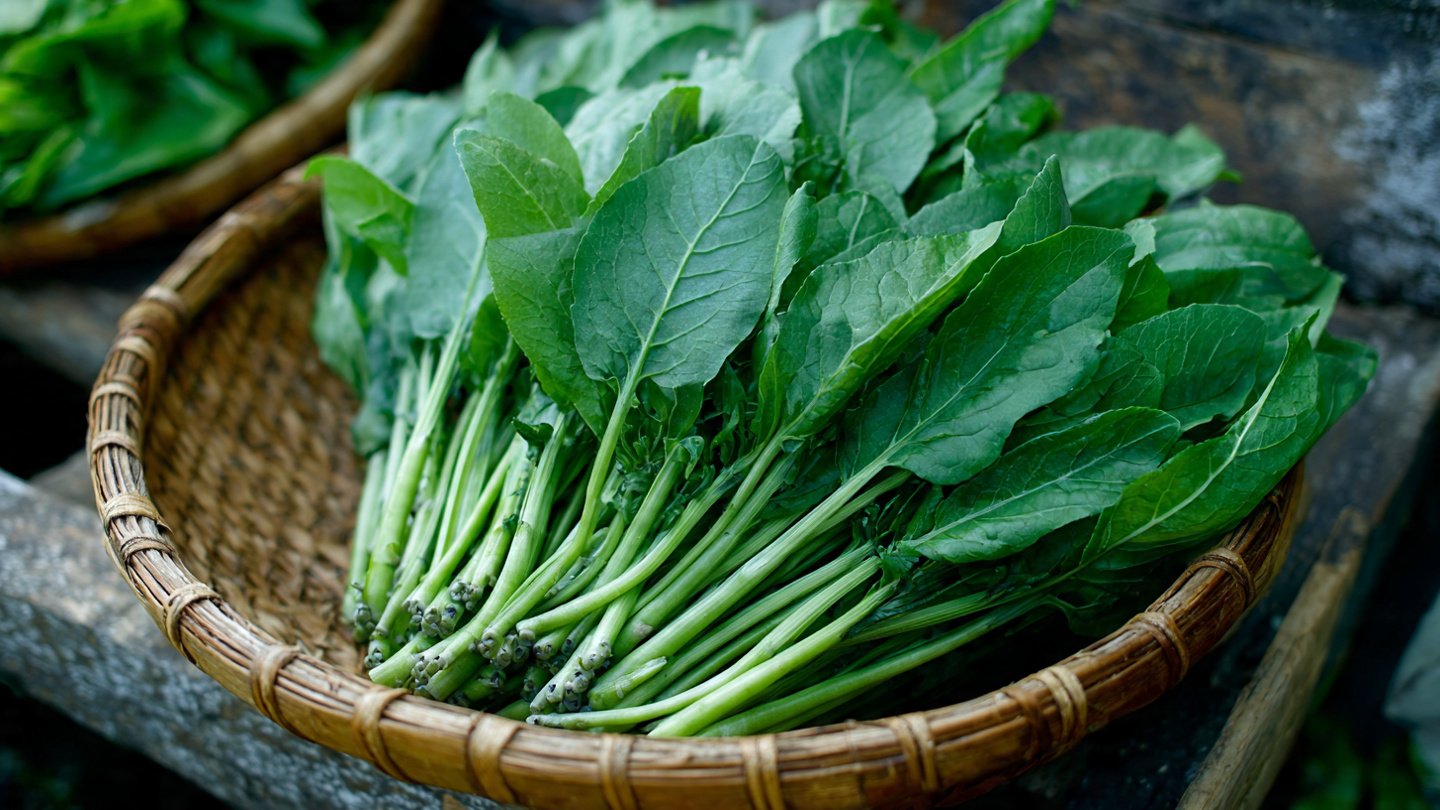
Kangkung, or water spinach (Ipomoea aquatica), is a nutritious leafy green vegetable celebrated in various Asian cuisines. Known for its tender leaves and stems, it’s not just delicious but also packed with vitamins and minerals. Growing kangkung in your home garden is an excellent way to enjoy fresh produce while ensuring you have access to healthy greens all year round. This guide will walk you through the process of successfully growing kangkung, from selecting the right variety to managing pests and diseases, making it a rewarding endeavor.
Understanding Kangkung
Latest Posts
- A Comprehensive Guide to Successfully Growing Grape Vines in Your Backyard for Beginners and Experts Alike
- Best Tips for Successful Mango Growth in Containers
- Discover the Simple Steps for Successfully Growing Coriander in a Pot
- Discovering the Ultimate Guide to Growing African Violets from Leaf Cuttings
- Simple Techniques for Successfully Growing Seedless Grapes in Home Gardens
- Ultimate Guide to Growing Balsam Plants Naturally for Vibrant Blooms
- Discover the Secrets to Growing Lush Leek Leaves with Simple Hacks for Beginners
- How to Successfully Cultivate Sweet Cherries in the Unique Climate of Canada
- The Ultimate Guide to Successfully Growing Beautiful Succulent Garden Plants at Home
- A Comprehensive Guide to Growing Dhania from Seeds for Beginners
Nutritional Benefits
Kangkung is often lauded for its numerous health benefits, including:
- Rich in Nutrients: High in vitamins A, C, and several B vitamins, kangkung is a great addition to a balanced diet.
- Mineral Content: Contains essential minerals such as calcium, iron, and magnesium.
- Antioxidants: The plant is rich in antioxidants, which help combat oxidative stress in the body.
Culinary Uses
Kangkung is versatile in cooking:
- Sautéed Dishes: Commonly used in stir-fries with garlic and oyster sauce.
- Soups and Stews: Adds a nutritious element to broths.
- Salads: Can be eaten raw in salads, providing a crunchy texture.
Growing Conditions
Climate
Kangkung thrives in warm, tropical climates. Ideally, it requires:

- Temperature: Between 20°C to 30°C (68°F to 86°F).
- Humidity: Prefers high humidity, making it an ideal plant for regions with plenty of rainfall.
Soil Requirements
Kangkung flourishes in a variety of soils, but it prefers:
- Well-Drained Soil: Rich, loamy soil with good drainage capabilities.
- pH Levels: Slightly acidic to neutral pH of 6.0 to 7.5 is best.
Watering
Being a semi-aquatic plant, kangkung needs ample water:
- Consistent Moisture: Keep the soil consistently moist but not waterlogged.
- Irrigation: If growing in containers, ensure they have drainage holes. In-ground planting may require frequent watering during dry spells.
Planting Kangkung
Seed Selection
Choosing the right variety of kangkung is paramount. There are two main types:
- Kangkung Terna (or trailing type): This variety prefers soil and is best suited for cultivation.
- Kangkung Hibrida: This hybrid variety grows faster and yields larger leaves, making it a popular choice among gardeners.
Propagation Methods
You can start kangkung through seeds or cuttings:
-
From Seeds:
- Sow Seeds: Plant seeds directly into the soil about 1-2 cm deep.
- Spacing: Leave about 15-20 cm between seeds for proper airflow.
-
From Cuttings:
- Select Healthy Stalks: Use 20-30 cm cuttings from healthy plants.
- Place in Water: Dip the cuttings in water for a few days until roots develop, then transfer them to soil.
Sowing Time
For regions with distinct seasons, the best time to sow kangkung is:
- April to August: In tropical climates, sowing can occur throughout the year.
Caring for Your Kangkung Plants
Fertilization
Kangkung benefits from regular feeding:
- Organic Fertilizers: Use compost or well-rotted manure to boost soil fertility.
- NPK Fertilizers: A balanced fertilizer with nitrogen, phosphorus, and potassium can further enhance growth, applied every four to six weeks.
Pruning
Regular pruning promotes bushier growth:
- Remove Flowers: Pinch off flowers as they appear to encourage leaf production.
- Harvest Leaves Regularly: This will stimulate further growth and prevent overcrowding.
Pest and Disease Management
Keeping kangkung healthy involves vigilance:
Common Pests
- Aphids: Small, sap-sucking insects that can be controlled with insecticidal soap.
- Snails and Slugs: Use barriers or manual collection.
Diseases
- Powdery Mildew: Ensure good airflow and avoid overhead watering to limit fungal growth.
Harvesting Kangkung
When to Harvest
Kangkung is typically ready for harvest within 4 to 6 weeks after planting:
- Leafy Harvest: Begin harvesting when the plants reach 30-40 cm in height, taking the outer leaves first.
- Continuous Harvest: Regular harvesting encourages further growth.

How to Harvest
Use sharp scissors or garden shears to:
- Cut the Stems: Take the outer leaves while leaving the inner leaves intact for future growth.
Storing Kangkung
To maintain freshness:
- Refrigeration: Store kangkung in a moisture-proof bag in the fridge for up to a week.
- Freezing: Blanching and freezing kangkung can prolong its shelf life for several months.
FAQs
1. How long does it take to grow kangkung?
Kangkung typically takes about 4 to 6 weeks to reach maturity for harvesting.
2. Can kangkung be grown in containers?
Yes, kangkung can be successfully grown in containers, as long as they are deep enough to accommodate the root system and have proper drainage.
3. Is kangkung a perennial or annual plant?
Kangkung is generally considered an annual plant, though it can reseed itself in favorable conditions.

4. How often should I water kangkung?
Kangkung prefers consistently moist soil, so it should be watered daily, especially during hot weather. However, avoid waterlogging.
5. What pests should I watch out for when growing kangkung?
Common pests include aphids, snails, and slugs. Regular monitoring and preventive measures can help manage these pests.
6. Can I grow kangkung indoors?
Yes, kangkung can be grown indoors if it receives ample light and is kept in a temperature-controlled environment.
7. What is the best time to plant kangkung?
In tropical climates, kangkung can be planted year-round, but the best time is during warm months, particularly from April to August.
8. How can I encourage bushier growth in kangkung?
Regularly pruning the tops of the plants and harvesting leaves promote bushier growth and a continuous harvest cycle.
Conclusion
Growing kangkung in your home garden offers a delightful way to enjoy fresh and nutritious greens with minimal effort. By understanding its growing conditions, planting methods, care requirements, and harvesting techniques, you can ensure a bountiful harvest right from your own backyard. With its wealth of culinary applications and health benefits, kangkung is a must-have in any home garden. Embrace the joy of gardening and indulge in the nutritious goodness that this beloved vegetable has to offer!