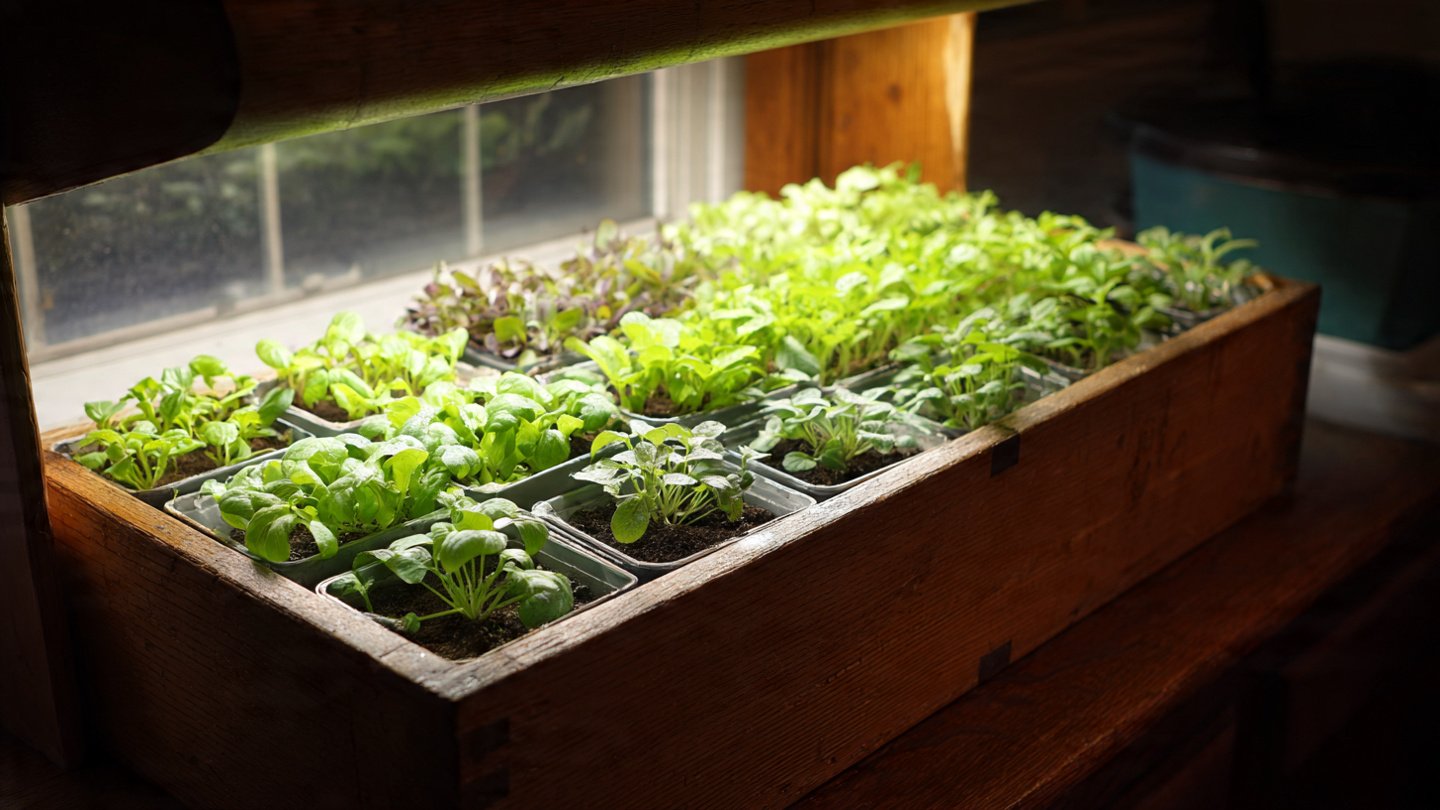
Growing greens indoors or in areas with limited sunlight may seem like a daunting task, but with the right techniques, it’s more accessible than ever. The “Easy Method” emphasizes simplicity, practicality, and effectiveness, allowing anyone to cultivate a thriving indoor garden. This guide will walk you through the essentials of growing greens without sunlight, covering everything from necessary equipment to tips for ensuring healthy plant growth.
Understanding the Basics of Indoor Gardening
Types of Greens to Grow
Latest Posts
- A Comprehensive Guide to Successfully Growing Grape Vines in Your Backyard for Beginners and Experts Alike
- Best Tips for Successful Mango Growth in Containers
- Discover the Simple Steps for Successfully Growing Coriander in a Pot
- Discovering the Ultimate Guide to Growing African Violets from Leaf Cuttings
- Simple Techniques for Successfully Growing Seedless Grapes in Home Gardens
- Ultimate Guide to Growing Balsam Plants Naturally for Vibrant Blooms
- Discover the Secrets to Growing Lush Leek Leaves with Simple Hacks for Beginners
- How to Successfully Cultivate Sweet Cherries in the Unique Climate of Canada
- The Ultimate Guide to Successfully Growing Beautiful Succulent Garden Plants at Home
- A Comprehensive Guide to Growing Dhania from Seeds for Beginners
Before diving into the how-to, it’s essential to know which greens thrive best in low-light conditions. Here are some excellent choices:
- Lettuce: Varieties such as butterhead and romaine are well-suited for indoor growth.
- Spinach: This nutrient-rich green can thrive with minimal light.
- Kale: A superfood that grows well indoors and is relatively easy to maintain.
- Microgreens: Fast-growing and packed with nutrients, microgreens can be harvested within weeks.
- Herbs: Basil, chives, and parsley grow well indoors and add flavor to your meals.
The Role of Light
While the goal is to grow greens without sunlight, understanding light’s role in plant growth is crucial. Plants use light to perform photosynthesis, which converts light energy into chemical energy. Indoor gardeners can supplement the lack of sunlight with artificial lighting options, which can mimic natural sunlight effectively.
Choosing the Right Equipment
Artificial Grow Lights
To substitute for natural sunlight, various grow lights are available, each with its benefits:
-
LED Grow Lights: Highly efficient and cost-effective, LED lights produce minimal heat and are available in various spectrum options. These lights stimulate different growth phases.
-
Fluorescent Lights: Often used for starting seedlings, fluorescent lights can be effective for greens. They require more power than LEDs and emit more heat, so they must be kept at a proper distance from plants.
-
Incandescent Lights: These are not recommended for growing plants due to their limited spectrum and excessive heat output.

Indoor Growing Containers
When choosing containers, consider the size, material, and drainage:
-
Pots with Drainage: Ensure your pots have adequate drainage holes to prevent overwatering.
-
Standard Plastic Pots: Lightweight and affordable, plastic pots are excellent for beginners.
-
Self-Watering Planters: These help maintain moisture levels, making them ideal for busy gardeners.
Growing Medium
Selecting the right growing medium is pivotal in keeping your greens healthy:
-
Potting Soil: A high-quality potting mix with good aeration and drainage is ideal for most greens.
-
Coco Coir: An eco-friendly alternative to soil, coco coir retains moisture well and is suitable for hydroponic systems.
-
Hydroponic Systems: If you want to take indoor gardening to the next level, consider soil-less gardening systems that utilize nutrient-rich water.
Setting Up Your Indoor Garden
Location, Location, Location
Choose a suitable area in your home where you can set up your indoor garden. A kitchen counter, windowsill, or dedicated shelf can work well. Ensure the location has access to electrical outlets for grow lights.
Light Placement
Position your grow lights according to the plants’ needs. As a general rule:
- Place the lights 6 to 12 inches above the plants.
- Adjust the height based on the growth stage; seedlings may need lights closer, while mature plants can be farther away.
Watering Techniques
Proper watering is essential for plant growth:
- Check Soil Moisture: Use your finger to test the moisture level. If the top 1-2 inches of soil is dry, it’s time to water.
- Bottom Watering: This method involves placing pots in a tray of water and letting them absorb moisture from the bottom, preventing overwatering.
Feeding Your Greens
Nutrients and Fertilizers
Greens need nutrients to grow robustly. Consider these feeding methods:
-
Organic Fertilizers: Options like worm castings or compost offer slow-release nutrients.
-
Liquid Fertilizers: These can be mixed with water and applied directly to the soil, providing an immediate nutrient boost.
-
Hydroponic Nutrients: If using a hydroponic system, purchase a pre-mixed nutrient solution specifically designed for greens.
Feeding Schedule
A feeding routine is essential to ensure your plants receive adequate nutrients:
- Seedlings: Feed them lightly every 2-4 weeks.
- Mature Plants: Increase feeding frequency to every 1-2 weeks as they require more nutrients.
Maintenance and Care
Growing greens without sunlight requires ongoing monitoring and care:
Monitor Growth
Regularly observe your plants for signs of stress:
- Yellowing Leaves: This can indicate overwatering or nutrient deficiencies.
- Wilting: It may suggest either underwatering or disease.
Pest Control
Indoor gardens can still attract pests. Keep an eye out for:
- Aphids: Small green insects that suck sap from plants.
- Mites: Tiny arachnids that can cause leaf discoloration.
- Fungal Infections: These often result from overwatering and can be managed by altering moisture levels.
Implement preventative measures such as:
- Neem Oil: A natural pesticide that is effective against various pests.
- Diatomaceous Earth: Sprinkle this powder on the soil to deter insects.
Harvesting Your Greens
Timing your harvest is essential for flavor and growth:
-
Leafy Greens: Harvest leaves once they reach a good size. You can cut the outer leaves and allow the plant to continue growing.
-
Microgreens: Harvest when they are 1-2 inches tall, typically within 7-14 days of planting.
Post-Harvest Care
After harvesting, it’s crucial to care for your plants:
-
Trim and Don’t Shock: Always leave enough foliage for the plants to continue growing. Avoid cutting more than one-third of the plant at a time.
-
Resuming Growth: Provide additional nutrients after a significant harvest to support continued leaf production.

Troubleshooting Common Issues
Even experienced gardeners face challenges. Here are some common problems and solutions:
Insufficient Growth
If your greens aren’t growing well, consider:
- Light Duration: Ensure your plants receive 12-16 hours of light daily.
- Nutrient Deficiencies: Assess whether you’ve been feeding properly.
Overwatering or Underwatering
Symptoms include yellowing leaves or wilting:
- Check Soil: Adjust your watering schedule based on the moisture level.
- Improve Drainage: If the soil retains too much water, consider repotting into fresh, well-aerated mix.
Conclusion
Growing greens without sunlight may seem like a challenging endeavor, but with the Easy Method, you can successfully cultivate a variety of greens indoors. By choosing the right equipment, maintaining a consistent care routine, and understanding your plants’ needs, you can create a flourishing indoor garden.
Whether you’re interested in growing fresh herbs for your meals or producing a continuous supply of leafy greens, this method accommodates both novices and seasoned gardeners alike. With a little practice and patience, you’ll enjoy the fruits (or rather, greens) of your labor, all without needing access to the sun!