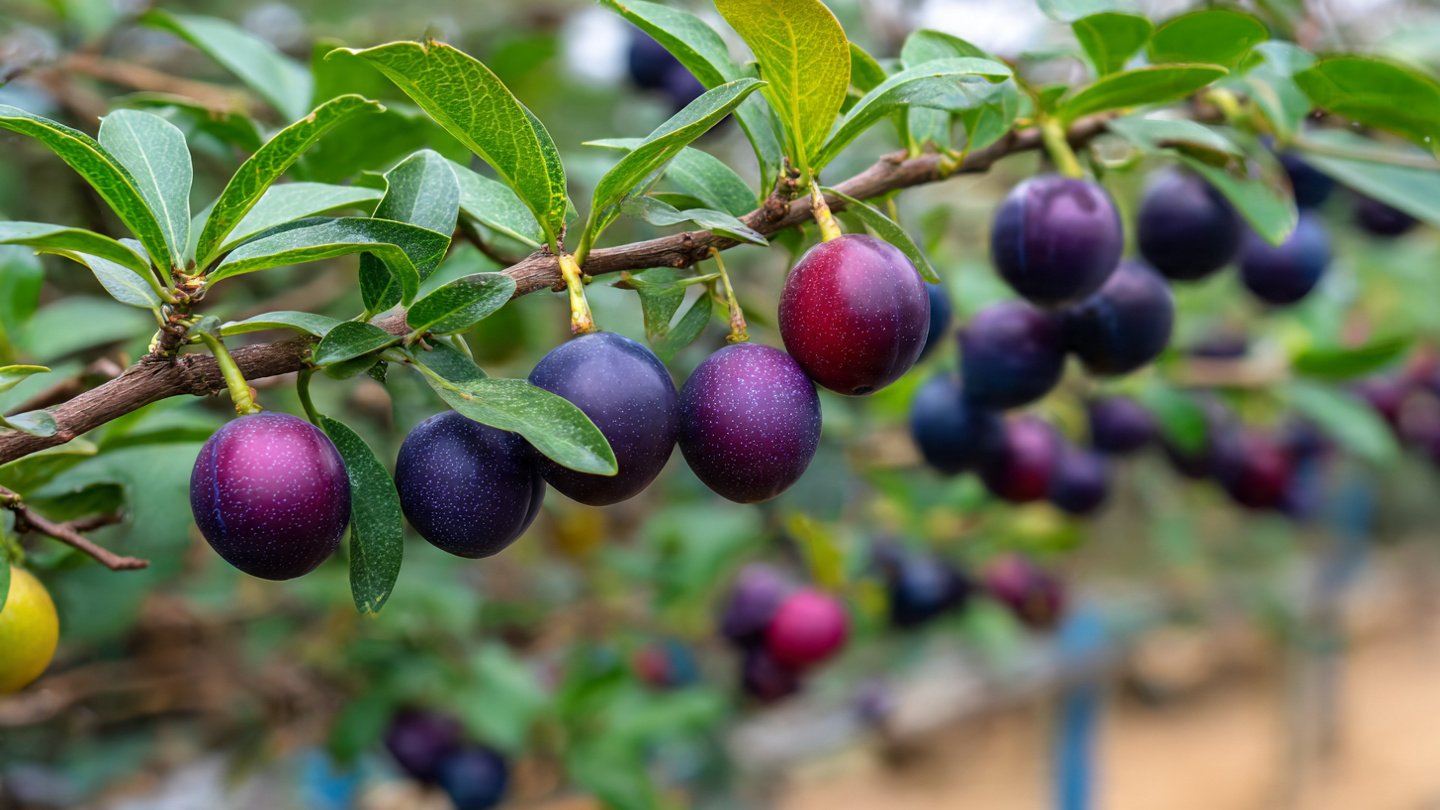
Jamun (Syzygium cumini), also known as black plum or Indian blackberry, is a tropical fruit tree native to the Indian subcontinent. Renowned for its delicious fruit and medicinal properties, the Jamun tree is a valuable addition to any orchard. However, to ensure optimal growth and fruit production, proper pruning techniques are essential. In this article, we will explore the key aspects of how to prune Jamun trees effectively.
Understanding Jamun Trees
Before delving into pruning techniques, it’s crucial to understand the growth habits and structure of Jamun trees. Typically, Jamun trees can grow 30 to 100 feet tall and have a dense canopy. The tree has a straight trunk and a broad, rounded crown, which allows it to grow wide and tall. The leaves are dark green and leathery, providing a lush backdrop for its white, fragrant flowers that bloom before yielding fruit.
Latest Posts
- A Comprehensive Guide to Successfully Growing Grape Vines in Your Backyard for Beginners and Experts Alike
- Best Tips for Successful Mango Growth in Containers
- Discover the Simple Steps for Successfully Growing Coriander in a Pot
- Discovering the Ultimate Guide to Growing African Violets from Leaf Cuttings
- Simple Techniques for Successfully Growing Seedless Grapes in Home Gardens
- Ultimate Guide to Growing Balsam Plants Naturally for Vibrant Blooms
- Discover the Secrets to Growing Lush Leek Leaves with Simple Hacks for Beginners
- How to Successfully Cultivate Sweet Cherries in the Unique Climate of Canada
- The Ultimate Guide to Successfully Growing Beautiful Succulent Garden Plants at Home
- A Comprehensive Guide to Growing Dhania from Seeds for Beginners
The Importance of Pruning
Pruning is essential for several reasons:
- Healthy Growth: Pruning helps in removing dead, diseased, or damaged branches, which can hinder the tree’s overall health.
- Improved Airflow: A well-pruned tree allows better airflow through the canopy, reducing the risk of fungal infections and pests.
- Enhanced Fruit Production: By removing excess or overcrowded branches, trees can focus their energy on producing fruit instead of maintaining unproductive wood.
- Accessibility: Pruning can create a more manageable height and spread, making it easier to harvest fruit and maintain the tree.
Best Time to Prune Jamun Trees
The timing of pruning is critical for the health and productivity of Jamun trees. The best times to prune are:
-
Post-Harvest Pruning: After the fruiting season, usually in late summer or early fall, is an ideal time to prune. This is when the tree is less stressed, and pruning will not interfere with fruit development.
-
Dormant Pruning: In areas with a distinct winter, trees can also be pruned when they are dormant, typically in late winter or early spring before new growth begins.
Factors to Consider Before Pruning
Before you begin pruning, consider the following factors:
-
Tree Age: Young trees require different pruning techniques than mature ones. Focus on shaping young trees and providing a strong framework, while mature trees may need more intensive care.
-
Health of the Tree: Assess the overall health of the tree before pruning. If a tree is infested with pests or diseases, it may need special care or removal.
-
Local Climate: Consider your local climate, as it influences the growth cycle of the tree and affects timing and methods.
Pruning Techniques
1. Tools Needed
Before you start, make sure to have the following tools:
- Pruning Shears: For smaller branches.
- Loppers: For thicker branches.
- Handsaw: For larger limbs.
- Rubbing Alcohol or Bleach: To disinfect tools before and after use, preventing the spread of diseases.
- Gloves: To protect your hands.
2. Methodology
Follow these steps for effective pruning:
Step 1: Assess the Tree
Stand back and assess the tree’s overall structure, looking for crowded branches, any dead or diseased limbs, and the overall shape you wish to achieve.
Step 2: Remove Dead or Damaged Wood
- Start by cutting away any dead, damaged, or diseased branches. These not only detract from the tree’s aesthetic but can also harbor pests and diseases.
- Cut back to healthy tissue, leaving no stubs, as these can become entry points for bugs and disease.
Step 3: Shape the Crown
A well-shaped crown is essential for balanced growth and fruit production. Here’s how to shape your Jamun tree:
- Open the Center: If the crown is too dense, selectively remove branches in the middle of the tree to allow more sunlight to penetrate. This will enhance air circulation and light exposure to lower branches.
- Remove Crossing Branches: Look for branches that cross each other and rub against one another; remove one to minimize damage and create a more open structure.
Step 4: Control Size
- If the tree is becoming too tall or is difficult to manage, you can reduce its height by cutting back the top branches. Trim back to a healthy lateral branch to encourage outward rather than upward growth.
Step 5: Thin Out Branches
- Thinning helps to increase light penetration and air circulation. Focus on older, unproductive branches and remove a few to open up the canopy.
- Use the “one-third rule”: Never remove more than one-third of the tree’s foliage in a single season to prevent stress.

Step 6: Final Touches
- After shaping and thinning, take a step back and assess your work. Ensure the tree maintains a balanced shape and that there are no remaining dead or diseased branches.
Caring for Your Pruned Jamun Tree
Post-pruning care is essential for recovery and growth:
-
Watering: Ensure the tree is well-watered following pruning. This helps reduce stress and promotes healthy regrowth.
-
Fertilization: After pruning, consider applying a balanced fertilizer to boost healthy growth. Look for fertilizers high in potassium and phosphorus, which support fruit development.
-
Mulching: Applying a layer of organic mulch around the base of the tree can help retain soil moisture and suppress weed growth.
-
Monitoring: Keep a close watch on the tree for any signs of pests or diseases, especially in the weeks following pruning. Early detection will allow for more effective treatment.
Common Mistakes to Avoid
When pruning Jamun trees, it is easy to make mistakes. Here are some common pitfalls to avoid:
-
Over-Pruning: As mentioned earlier, excessive pruning can stress the tree and reduce fruit yield. Always adhere to the one-third rule.
-
Ignoring Tree Structure: Focus on the natural structure and shape of the tree; don’t force it into an unnatural shape or size.
-
Pruning During Wrong Seasons: Pruning at the wrong time can hinder fruit production. Avoid pruning during active growth periods when the tree is producing flowers or fruit.
-
Neglecting Tool Maintenance: Always disinfect tools before and after use. This simple practice helps to prevent diseases from being spread during the pruning process.
Conclusion
Pruning Jamun trees is an essential practice that promotes healthy growth and optimal fruit production. By understanding the tree’s growth habits, choosing the right time to prune, and following effective techniques, you can ensure your Jamun trees flourish and yield delicious fruit for years to come. Proper care, including watering, fertilization, and monitoring for pests, will further enhance the health of your trees. So grab your tools and get ready to nurture your Jamun trees into their prime!