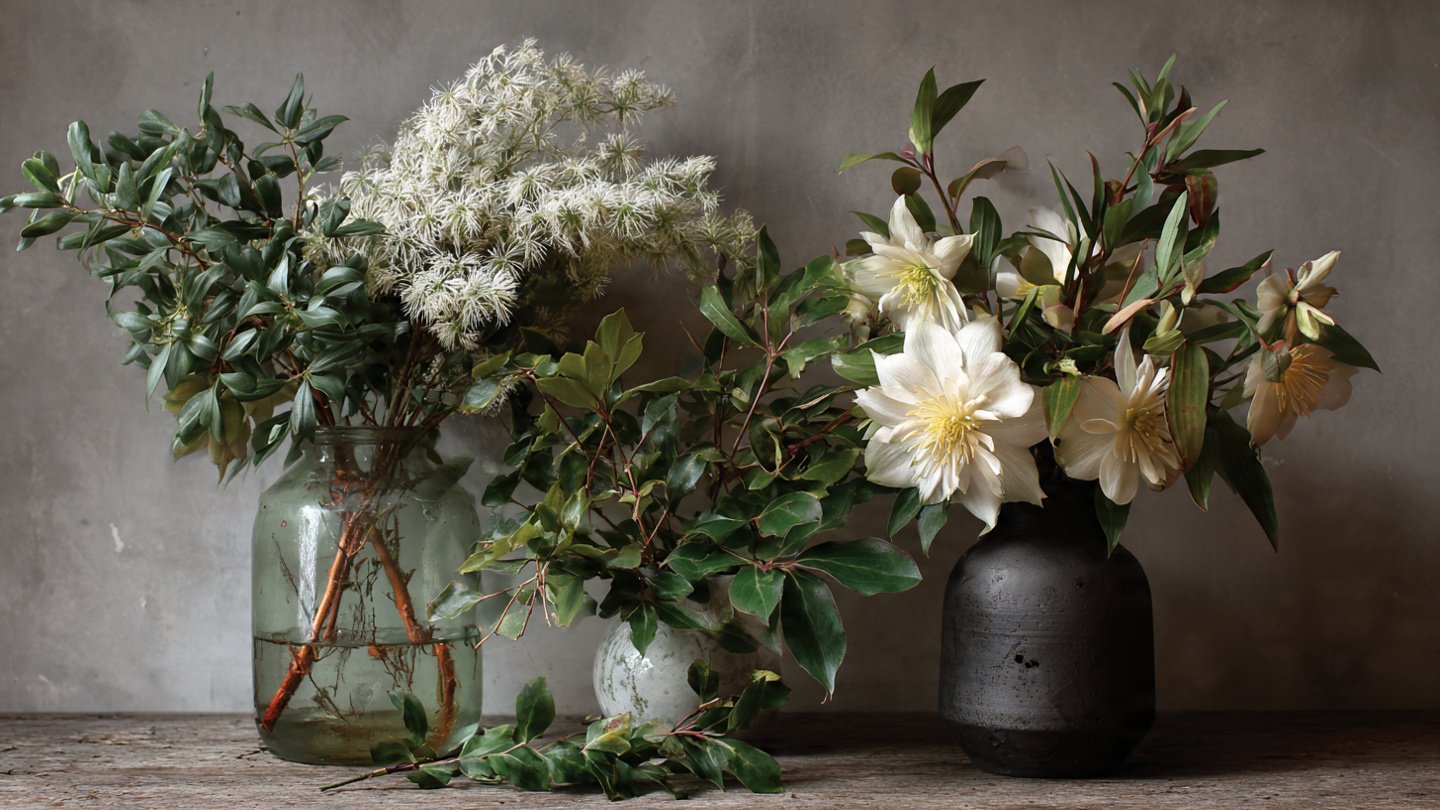
Creating stunning flower arrangements is an art that combines creativity, knowledge, and a bit of practice. While flowers often steal the spotlight with their vibrant colors and fragrances, foliage plays a supportive yet crucial role in enhancing the overall aesthetic. Learning to combine foliage and flowers effectively will not only elevate your arrangements but will also offer greater longevity and structure. In this article, we will delve into the essentials of combining foliage and flowers to create breathtaking arrangements that can serve any occasion.
Understanding the Role of Foliage
1. Importance of Foliage
Foliage provides volume, texture, and balance to a floral arrangement. It can serve as a backdrop for the flowers, allowing their colors and shapes to stand out. Additionally, foliage can add depth and contrast, making arrangements visually appealing without competing with the flowers for attention. Understanding the different types of foliage and their uses can significantly enhance your floral arrangements.
2. Types of Foliage
Foliage comes in two main categories: hardscape foliage and softscape foliage.
- Hardscape Foliage: This includes leaves from plants that typically have thicker, sturdier leaves, such as magnolia or eucalyptus. These leaves provide structure and can hold up well in arrangements.
- Softscape Foliage: Soft foliage comes from plants with delicate leaves, such as ferns or ivy. This type of foliage is often used for draping and adds a gentle, airy feel to arrangements.
3. Color and Texture
When selecting foliage, consider the color and texture of the leaves. Dark, glossy leaves can create a formal and elegant feel, while broader leaves add a lush, tropical look. Textured foliage can add interest and prevent the arrangement from feeling flat.

Choosing Complementary Flowers and Foliage
1. Color Harmony
Creating a harmonious color palette is crucial in any floral arrangement. When selecting flowers and foliage, consider the color wheel. Complementary colors (opposites on the wheel) can create vibrant arrangements, while analogous colors (next to each other) provide a more subtle, soothing effect.
Latest Posts
- A Comprehensive Guide to Successfully Growing Grape Vines in Your Backyard for Beginners and Experts Alike
- Best Tips for Successful Mango Growth in Containers
- Discover the Simple Steps for Successfully Growing Coriander in a Pot
- Discovering the Ultimate Guide to Growing African Violets from Leaf Cuttings
- Simple Techniques for Successfully Growing Seedless Grapes in Home Gardens
- Ultimate Guide to Growing Balsam Plants Naturally for Vibrant Blooms
- Discover the Secrets to Growing Lush Leek Leaves with Simple Hacks for Beginners
- How to Successfully Cultivate Sweet Cherries in the Unique Climate of Canada
- The Ultimate Guide to Successfully Growing Beautiful Succulent Garden Plants at Home
- A Comprehensive Guide to Growing Dhania from Seeds for Beginners
For example, pairing deep purple flowers with lime green foliage creates a striking contrast, while pink flowers with dark green leaves offers a more timeless and elegant look.
2. Selecting Flowers
When choosing flowers, think about size, shape, and bloom time. Larger flowers can serve as focal points, while smaller blooms can fill in around them. Consider mixing different shapes, such as round peonies with spiky delphiniums, to create visual interest.
3. Creating Balance
Balancing the weight of flowers and foliage is essential for a cohesive look. A cluster of heavy flowers should be counterbalanced with ample supportive foliage. Use different heights and arrangements to create a sense of movement and flow.
Techniques for Combining Foliage and Flowers
1. Layering
Layering is a fundamental technique in floral design that involves placing different elements at various depths. Start with a base of foliage to form a foundation, and then layer flowers on top. You can build up from the center outward, allowing the foliage to peek through and create a lush effect.
2. Grouping
Grouping flowers and foliage by type or color can create dramatic focal points. For instance, cluster a variety of small, bright flowers together and surround them with contrasting darker foliage for depth. This method emphasizes individual flower types while maintaining a cohesive overall look.
3. Varying Line and Form
Adding flowers and foliage of varying lengths and shapes can create dynamic and eye-catching arrangements. Tall flowers can be positioned alongside trailing foliage, bringing a sense of height and volume to the display.
4. Use of Negative Space
In design, negative space—the empty areas surrounding your arrangement—can be just as important as the filled spaces. Utilize foliage to frame your flowers and leave some areas open to draw attention and create balance.
Seasonal Considerations
1. Choosing Seasonal Blooms
Working with seasonal flowers can simplify your selection process and ensure freshness. Seasonal blooms often have complementary foliage available, which enhances the overall color palette.
2. Understanding Availability
Foliage varies in availability depending on the season. For instance, evergreens are great for winter arrangements, while vibrant summer foliage like hostas adds a fresh look in warmer months.
Practical Steps to Create Arrangements
Step 1: Gather Your Materials
Start by gathering an assortment of flowers and foliage. Aim for a mix of colors, shapes, and textures to have plenty of options. Don’t forget floral foam, vases, and a sharp knife or shears for cutting.
Step 2: Prepare Your Flowers and Foliage
Trim the ends of your flowers and foliage at an angle to promote water absorption. Remove any lower leaves that might touch the water, as they can promote bacteria growth.
Step 3: Create Your Base
Begin by arranging your foliage in the vase or container. This creates a framework for your flowers. Use larger leaves at the base for stability and fill in with smaller foliage to create a lush backdrop.
Step 4: Add Your Flowers
Insert your flowers into the arrangement, starting with your focal points (larger or more vibrant flowers). Position them in a way that allows for a balanced distribution throughout the arrangement.
Step 5: Final Touches
Once your flowers are in place, step back to assess the arrangement. Add in extra foliage or flowers as needed to fill in gaps or balance colors. Don’t be afraid to tweak the arrangement until it feels just right.
Step 6: Water and Maintain
Fill the vase with water and ensure that the stems are submerged. Change the water every few days and trim the stems as necessary to prolong the life of your arrangement.
Tips for Enhancing Your Arrangements
- Experiment: Don’t be afraid to try new combinations of flowers and foliage. Keep a journal of your arrangements to note which combinations work well together.
- Take a Class: Consider enrolling in a floral design course. Professional guidance can provide you insight and techniques that you may not have considered.
- Stay Inspired: Follow floral designers on social media, read books, and visit flower shops or gardens for inspiration.
- Practice Makes Perfect: The more you practice combining foliage and flowers, the more intuitive the process will become.
- Seek Feedback: Share your arrangements with friends or family and ask for their opinions. Constructive criticism can help you discover new areas for improvement.
Conclusion
Mastering the art of combining foliage and flowers involves a mix of creativity, a good understanding of design principles, and a willingness to experiment. By focusing on color, balance, and layering techniques, anyone can create stunning arrangements that invite admiration and joy. Always remember that floral design is as much about personal expression as it is about technical skill. Let your creativity flow, and enjoy the process of bringing beauty into the world through your floral arrangements!