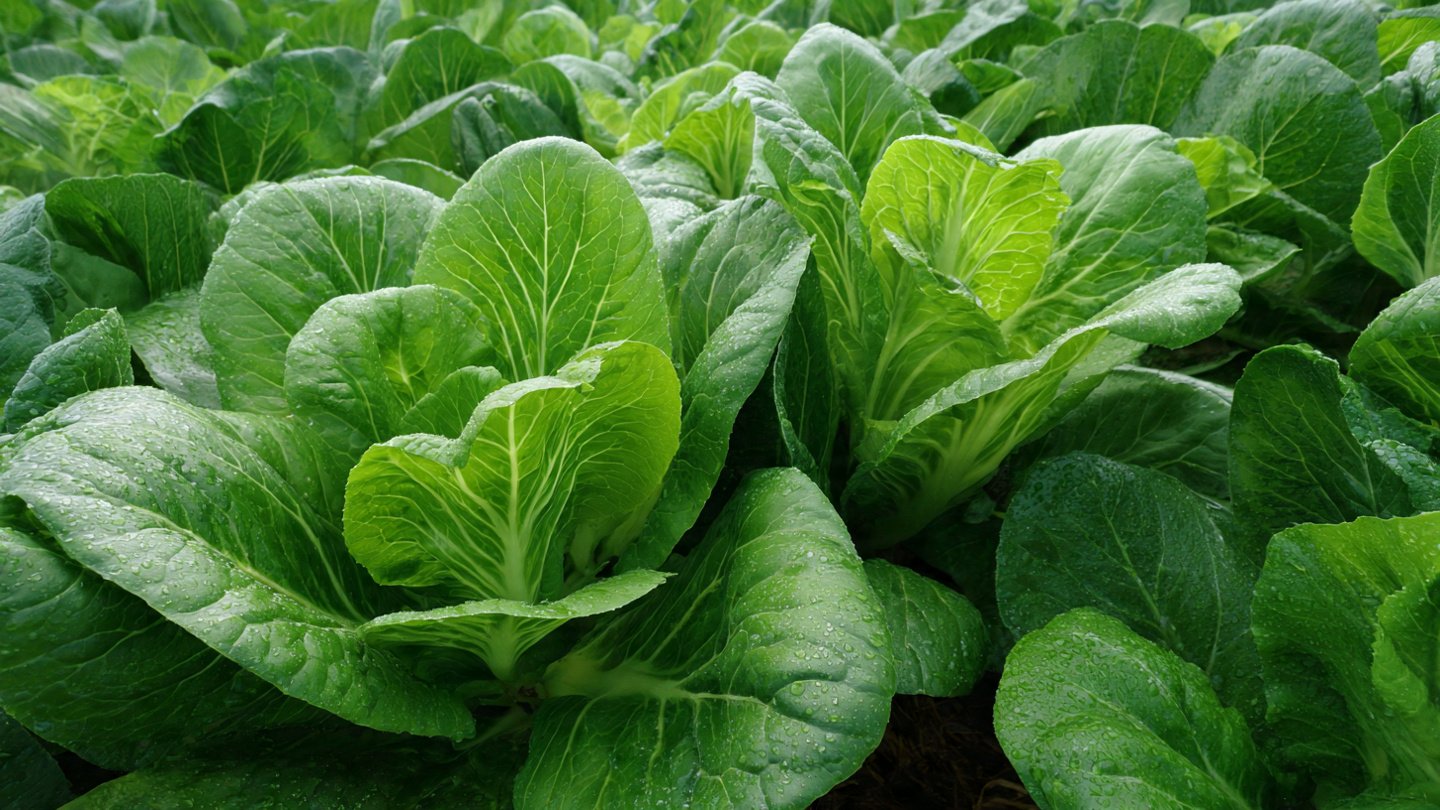
Creating a vibrant, productive home garden is a rewarding venture that brings fresh, nutritious food right to your table. Leafy greens are an excellent choice for both novice and experienced gardeners due to their quick growth cycles and versatility in various dishes. In this article, we will cover everything you need to know about growing quick harvest leafy greens easily, from choosing the right varieties to planting, caring for, and harvesting your greens.
Why Grow Leafy Greens?
Leafy greens offer numerous benefits:
Latest Posts
- A Comprehensive Guide to Successfully Growing Grape Vines in Your Backyard for Beginners and Experts Alike
- Best Tips for Successful Mango Growth in Containers
- Discover the Simple Steps for Successfully Growing Coriander in a Pot
- Discovering the Ultimate Guide to Growing African Violets from Leaf Cuttings
- Simple Techniques for Successfully Growing Seedless Grapes in Home Gardens
- Ultimate Guide to Growing Balsam Plants Naturally for Vibrant Blooms
- Discover the Secrets to Growing Lush Leek Leaves with Simple Hacks for Beginners
- How to Successfully Cultivate Sweet Cherries in the Unique Climate of Canada
- The Ultimate Guide to Successfully Growing Beautiful Succulent Garden Plants at Home
- A Comprehensive Guide to Growing Dhania from Seeds for Beginners
-
Nutritional Value: They are packed with essential vitamins and minerals, including vitamins A, C, K, and several B vitamins, along with calcium, potassium, and fiber.
-
Quick Growth: Many leafy greens mature in as little as 30 days, making them ideal for gardeners looking for immediate results.
-
Space Efficient: Leafy greens can be grown in small spaces, containers, or vertical gardens, making them perfect for urban gardening.
-
Continuous Harvest: Many varieties allow for cut-and-come-again harvesting, providing a steady supply of fresh leaves throughout the growing season.
Choosing the Right Varieties
The first step in growing leafy greens is selecting the right varieties for your garden. Here are some popular choices that are known for their quick growth:
1. Lettuce (Lactuca sativa)
Lettuce varieties like Butterhead, Romaine, and Leaf Lettuce grow rapidly, maturing in 30 to 60 days. They are perfect for salads and sandwiches.

2. Spinach (Spinacia oleracea)
Spinach can be ready to harvest in as little as 30 days. It’s rich in iron and can be eaten raw or cooked, making it a versatile addition.
3. Kale (Brassica oleracea var. sabellica)
Kale can take a bit longer (up to 60 days), but its leaves can be harvested continuously throughout the season, and it’s exceptionally nutrient-dense.
4. Arugula (Eruca sativa)
Fast-growing arugula matures in about 21 to 30 days. Its peppery flavor adds a unique touch to salads, pizzas, and sandwiches.
5. Mustard Greens (Brassica juncea)
Mustard greens can be harvested within 30 to 40 days. They have a slightly spicy flavor, which makes them a great addition to stir-fries and salads.
6. Swiss Chard (Beta vulgaris subsp. cicla)
Taking about 50 to 60 days to mature, Swiss chard can be harvested multiple times, making it a great choice for extended harvests.
When selecting seeds, consider your climate and the growing season. Some varieties may perform better in specific temperatures or weather conditions.
Preparing the Soil
Healthy soil is critical for growing leafy greens. Here’s how to prepare your soil effectively:
1. Testing the Soil
Start by testing the pH and nutrient levels of your soil. Leafy greens prefer a pH range of 6.0 to 7.0. Soil testing kits are available at garden centers.
2. Amending the Soil
Based on the test results, you may need to amend your soil. Adding well-rotted compost can improve soil structure and fertility, adding organic matter and nutrients.
3. Tilling
Loosen the soil to a depth of at least 12 inches. This encourages root growth and allows for better drainage. If you have clay soil, consider mixing in sand or perlite to improve drainage.
4. Weed Control
Remove any existing weeds or grass, as they compete for nutrients and water. This can be done by hand-pulling or using mulch to suppress further growth.
Planting Your Leafy Greens
Timing and technique are essential for successful planting:
1. When to Plant
Leafy greens can often be seeded directly into the soil as soon as the ground can be worked in the spring. You may also consider a fall garden, as many leafy greens are frost-tolerant.
- Spring Planting: Approximately 2–4 weeks before the last frost date.
- Fall Planting: Approximately 6–8 weeks before the first frost date.
2. Spacing and Depth
Check the seed packet for specific planting instructions, but generally:
- Lettuce: Plant seeds about ¼ inch deep and space them 6–12 inches apart.
- Spinach: Plant seeds about ½ inch deep, spacing them 2–4 inches apart.
- Kale: Space seedlings about 12 inches apart, planting seeds ½ inch deep.
3. Direct Sowing vs. Transplanting
For faster results, consider starting seeds indoors 4–6 weeks before the last frost date, then transplanting them outside when they have formed true leaves. Alternatively, you can direct sow seeds outside once the soil has warmed up.
Caring for Your Leafy Greens
Maintaining your leafy greens is essential for a healthy harvest:
1. Watering
Consistent moisture is crucial for leafy greens. Water regularly, ensuring the soil stays moist but not waterlogged. A drip irrigation system or soaker hoses can help maintain consistent moisture levels.
2. Fertilizing
Choose an organic fertilizer or compost tea to feed your leafy greens. Fertilize three to four weeks after planting and follow the package instructions for application rates.

3. Mulching
Applying a layer of mulch can help retain moisture, regulate soil temperature, and suppress weeds. Use straw, grass clippings, or shredded leaves to create an effective mulch layer.
4. Pest and Disease Control
Keep an eye out for common pests such as aphids, cabbage worms, and slugs. Consider using diatomaceous earth or soap sprays for organic pest control. Crop rotation and ensuring good airflow can help prevent diseases.
Harvesting Your Leafy Greens
Knowing when and how to harvest your greens will allow for the best flavor and texture.
1. When to Harvest
Most leafy greens are best harvested in the morning when moisture is higher. Harvest when leaves are young and tender, before they start to flower or go to seed (bolting).
- Lettuce: Harvest outer leaves as needed, leaving inner leaves to continue growing.
- Spinach: Cut leaves when they are around 3–6 inches tall, avoiding the center.
- Kale: Select the outer leaves, allowing the plant to keep producing for multiple harvests.
2. Cut-and-Come-Again Technique
This method allows for continuous harvesting. By cutting a few leaves from the outside of the plant, you enable it to continue producing new growth.

3. Storing Your Harvest
After harvesting, rinse the leaves gently in cold water to remove dirt and insects. Pat them dry and store them in a plastic bag in the refrigerator’s produce drawer. Leafy greens are best consumed fresh but can usually stay fresh for about a week if stored properly.
Troubleshooting Common Issues
Despite careful planning and care, you may encounter challenges:
1. Bitter Taste
If leafy greens taste bitter, it may be due to stress from heat or lack of water. Ensure consistent moisture and consider shade cloth during hotter months to regulate temperature.
2. Poor Growth
If your greens are growing slowly or appear yellow, this may indicate nutrient deficiency. A soil test can help determine what your soil lacks, and you can amend accordingly.
3. Diseases
Watch for signs of diseases like downy mildew or root rot. If identified early, you can often mitigate issues by improving air circulation, controlling moisture, and removing infected plants.
Conclusion
Growing quick harvest leafy greens is an enjoyable, rewarding process that can yield delicious, nutritious produce with minimal effort. By choosing the right varieties, preparing your soil, mastering planting techniques, and providing proper care, you can create a lush garden that continually supplies fresh greens for your meals. Whether you have a large backyard or a small balcony, these fast-growing greens are an excellent choice for adding flavor and nutrition to your diet while fostering a love for gardening. Get started today, and enjoy the fruits of your labor soon!