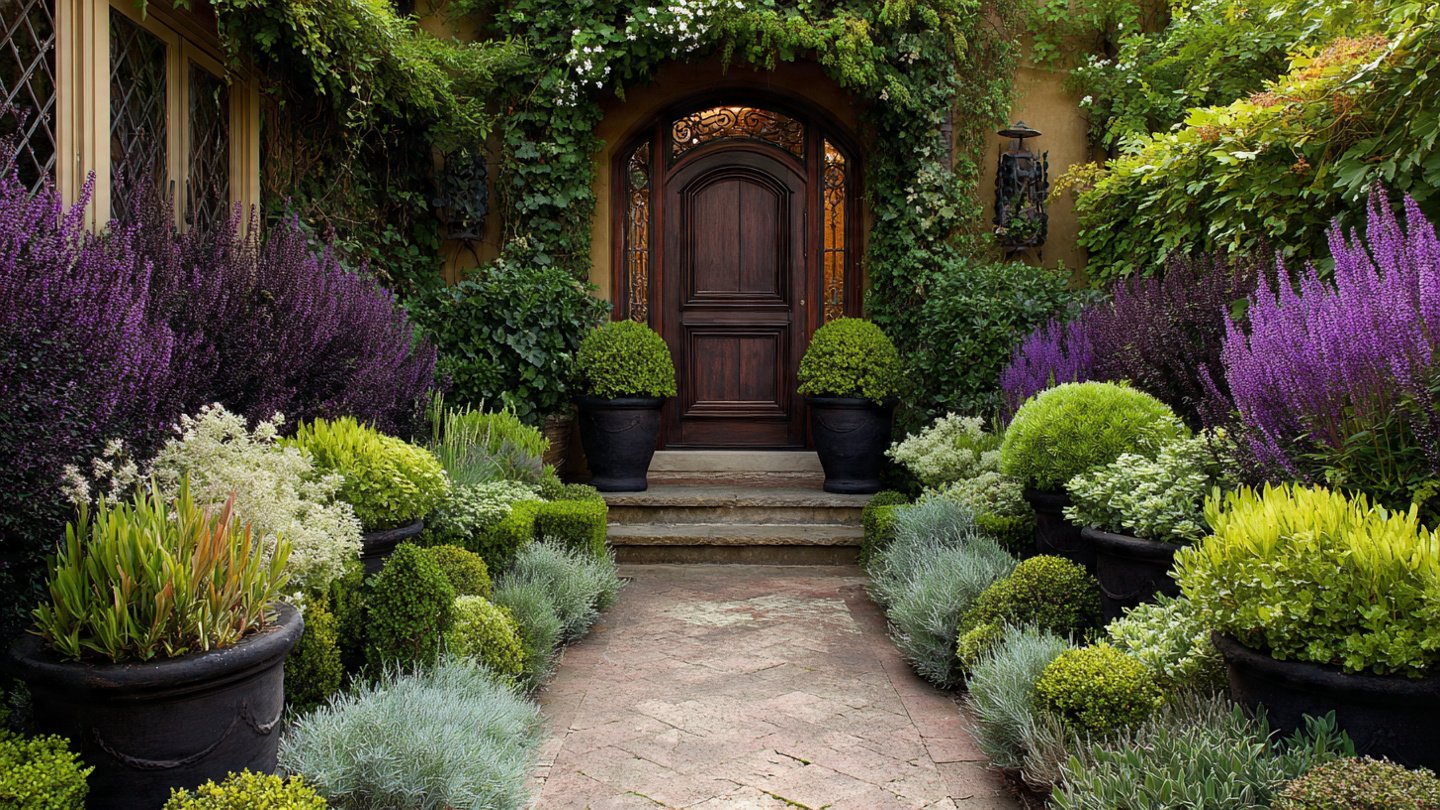
Creating an inviting and stunning entry garden is one of the best ways to enhance your home’s curb appeal. An entry garden not only beautifies your home but also creates a welcoming atmosphere for guests and passersby. But how do you go about designing and planting an entrance that is both visually appealing and easy to maintain? In this article, we will uncover a straightforward and effective method to achieve this effortlessly.
Why an Entry Garden Matters
Before diving into the how-to, it’s crucial to understand the importance of an entry garden. It sets the tone for your home, reflects your personality, and can even increase property value. A well-designed garden can create a sense of tranquility, serve as a tech-savvy home’s aesthetic counterpart, and draw attention to your front door, guiding guests toward your home.
Latest Posts
- A Comprehensive Guide to Successfully Growing Grape Vines in Your Backyard for Beginners and Experts Alike
- Best Tips for Successful Mango Growth in Containers
- Discover the Simple Steps for Successfully Growing Coriander in a Pot
- Discovering the Ultimate Guide to Growing African Violets from Leaf Cuttings
- Simple Techniques for Successfully Growing Seedless Grapes in Home Gardens
- Ultimate Guide to Growing Balsam Plants Naturally for Vibrant Blooms
- Discover the Secrets to Growing Lush Leek Leaves with Simple Hacks for Beginners
- How to Successfully Cultivate Sweet Cherries in the Unique Climate of Canada
- The Ultimate Guide to Successfully Growing Beautiful Succulent Garden Plants at Home
- A Comprehensive Guide to Growing Dhania from Seeds for Beginners
Step 1: Decide on Your Theme and Style
A. Identify Personal Preferences
The first step in creating any garden is to decide on the overall theme and style you wish to implement. Consider the architectural style of your home. For example, a rustic farmhouse might pair well with country-themed plants and garden ornaments, whereas a modern home can utilize minimalistic and contemporary designs.
B. Color Palette
Decide on a color palette that resonates with your style. Soft pastels may evoke a serene feel while vibrant colors can create a lively atmosphere. Consider how these colors will harmonize with your home’s exterior.
C. Seasonal Considerations
Think about how your entry garden will look throughout the seasons. Planting a mix of perennials, annuals, and evergreens allows your garden to maintain interest all year long. For instance, spring blooms can make way for summer perennials, which transition into fall colors and winter greenery.
Step 2: Plan the Layout
A. Measuring and Sketching

Once you’ve identified your theme, it’s time to plan the layout. Measure the space available and create a rough sketch. Include pathways, flower beds, and any additional elements such as benches or sculptures.
B. Plant Layers
Design your garden in layers for depth and visual interest. Taller plants can be placed at the back or center (depending on visibility), while shorter plants should occupy the front. Use a combination of varying heights, colors, and textures to create an appealing visual landscape.
C. Focal Points
Create focal points to draw the eye. This could be a particular flowering plant, a decorative element, or even a tree. Focal points can bring the garden to life and guide the viewer’s attention strategically throughout the space.
Step 3: Choosing the Right Plants
A. Easy-to-Grow Options
When it comes to selecting plants, you want varieties that are both stunning and easy to care for. Here are some excellent choices:
-
Perennials
- Daylilies: Low maintenance and come in a variety of colors.
- Coneflowers: Attract butterflies and thrive in various conditions.
- Lavender: A fragrant option that repels pests and looks beautiful.

-
Annuals
- Petunias: Offer vibrant colors and bloom all summer long.
- Marigolds: Excellent for pest control, bright, and easy to maintain.
-
Evergreens
- Boxwood: Works well for creating hedges or borders.
- Juniper: A hardy option that comes in many shapes and sizes.
B. Native Plants
Consider incorporating native plants, which usually require less maintenance and are better adapted to the local climate. Native species attract local wildlife, such as birds and pollinators, while also providing a sense of place.
C. Seasonal Interest
Select plants that bloom at different times throughout the seasons. This ensures that your entry garden remains visually appealing year-round. For example, planting snowdrops or crocuses for early spring and hydrangeas or asters for late summer can keep your garden vibrant all year long.
Step 4: Soil and Preparation
A. Testing the Soil
Good soil is the foundation of a thriving garden. Test your soil to determine its pH and nutrient levels. Most plants prefer slightly acidic to neutral soil.
B. Amending the Soil
To improve soil health, remove any weeds or rocks, then incorporate organic matter such as compost or well-rotted manure. This adds essential nutrients and improves drainage.
C. Drainage Considerations
Ensure your garden has proper drainage to avoid waterlogging. Mounds or raised beds can help prevent this, especially if you’re in an area prone to heavy rains.
Step 5: Planting Techniques
A. Timing
The best time to plant many plants is during the cooler months of spring or fall. This allows plants to establish roots without the stress of summer heat or winter frosts.
B. Spacing
Follow recommended spacing guidelines to avoid overcrowding, which can lead to diseases and pest problems. Generally, larger plants need more room to grow.
C. Watering the Plants
Once plants are in the ground, water them thoroughly to settle the soil. Regular watering will help establish their roots, especially during the first few weeks.
Step 6: Maintenance Made Easy
A. Mulching
Apply a layer of organic mulch (like bark or straw) around your plants. This helps retain moisture, suppress weeds, and adds a finishing touch to your garden.
B. Pruning and Deadheading
Regularly removing dead flowers (deadheading) encourages more blooms and keeps the plants tidy. Simple seasonal pruning can help maintain their shape and overall health.
C. Pest and Disease Control
Monitor your plants for pests and diseases. Use natural remedies, such as insecticidal soap or neem oil, to treat common problems without harmful chemicals. Keeping the plants healthy and well-spaced can also reduce the likelihood of disease.
Step 7: Adding Decorative Elements
A. Pathways and Borders
Consider adding pathways made of stone, gravel, or mulch to guide visitors through your entry garden. Edging materials like bricks, wood, or metal can define your planting beds and create a neat and organized appearance.
B. Lighting
Strategic lighting not only enhances safety but also adds a magical atmosphere to your garden at night. Solar-powered lights can illuminate pathways or highlight specific plants, offering an inviting glow.

C. Art and Decor
Incorporate elements like garden sculptures, birdbaths, or decorative pots to add personality. These elements create visual interest while making your entry garden feel unique to you.
Step 8: Enjoying Your Space
Once your garden is established, take the time to enjoy it. Create a comfortable seating area where you can relax and appreciate your efforts. Whether it’s a bench or a small table with chairs, having a designated space allows you to truly make the most of your entry garden.
Hosting
Consider hosting small gatherings or tea parties in your entry garden. This not only allows you to showcase your space but also provides a wonderful environment for friends and family.
Seasonal Decorations
Embrace the changing seasons by adding seasonal decorations—think pumpkins in fall or twinkling lights in winter. This keeps your garden looking fresh and relevant, no matter the time of year.
Conclusion
Creating a stunning entry garden doesn’t have to be a labor-intensive task. By following these easy steps—from planning and planting to maintenance—you can craft a beautiful outdoor space that welcomes all. With the right plants, thoughtful design, and a little creativity, your entry garden will become a charming reflection of your home, providing enjoyment for both you and your guests. Now, roll up your sleeves and embrace the joy of gardening!