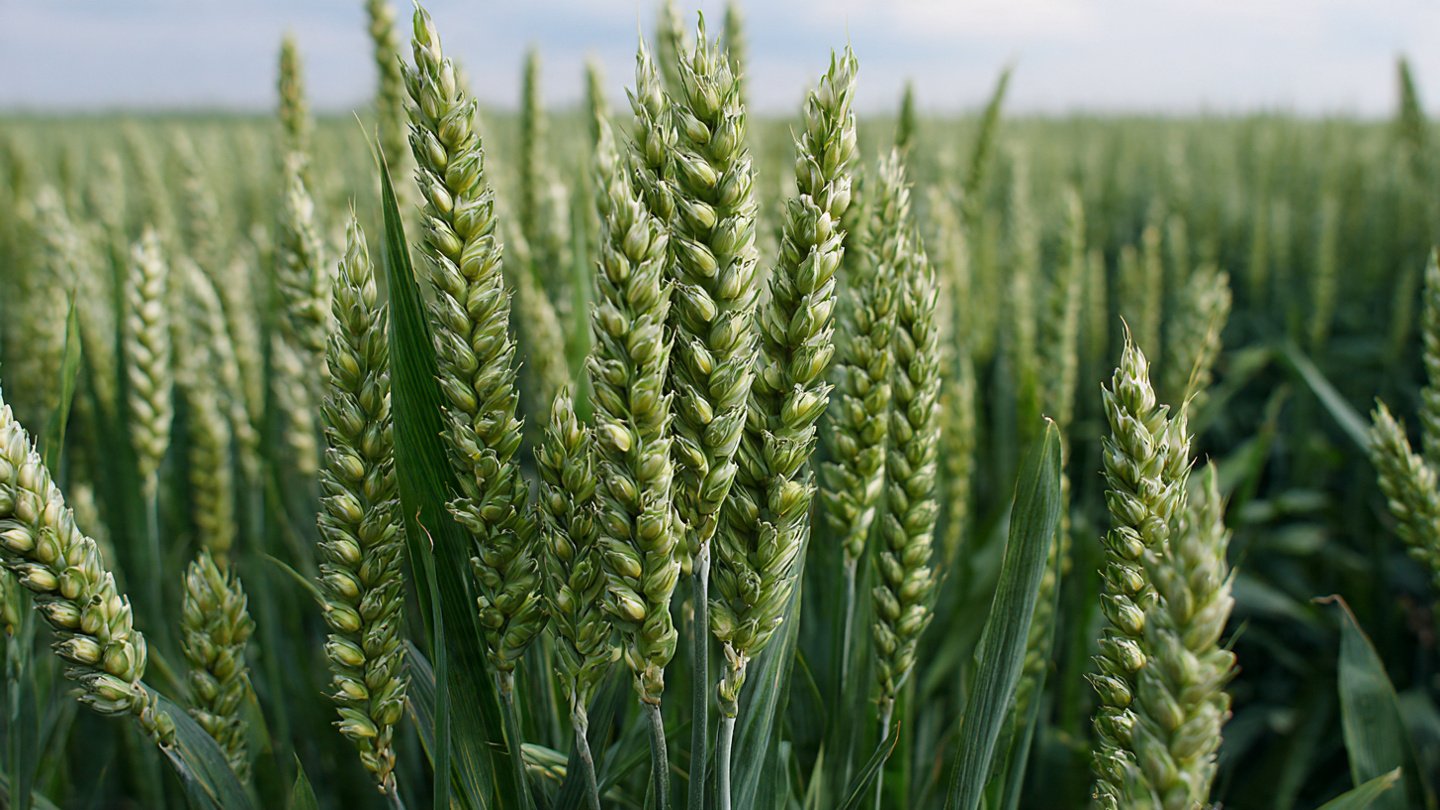
How to Achieve the Best Method to Grow Stock Tall Spikes for Maximum Yields
Growing stock tall spikes (Delphinium spp.) is a rewarding yet demanding endeavor that can lead to stunning floral displays and high yields. These perennial plants are known for their tall, spiky flower stalks adorned with vibrant blooms, making them a favorite for gardeners and florists alike. This article will guide you through the best practices to grow stock tall spikes effectively to maximize your yields.
Understanding Stock Tall Spikes
Stock tall spikes, also known as wallflowers, are part of the Brassicaceae family. They typically feature tall flower spikes that can reach heights of 3 to 5 feet. Their blooms come in various colors, ranging from whites and yellows to vibrant reds and purples, providing versatility in landscaping and garden designs. Besides their visual appeal, these plants are also favored for their fragrance and ability to attract pollinators.
Selecting the Right Variety
Selecting the right variety of stock tall spikes is essential for achieving maximum yields. There are several species, each with its unique characteristics. Some popular varieties include:

- Consolida ajacis: Often referred to as annual delphinium, this variety has loose, airy blooms that can fill in spaces beautifully.
- Delphinium elatum: Known for its towering spikes and large flowers, this perennial is well-suited for borders and garden centers.
- Delphinium grandiflorum: This variety has smaller blooms but is more forgiving in terms of conditions, making it an excellent choice for novice gardeners.
Soil Preparation
Soil Quality: The first step to growing healthy stock tall spikes is ensuring your soil is rich, well-drained, and nutrient-dense. Aim for loamy soil with a pH level between 6.0 and 7.0.
- Soil Amendments: Before planting, amend the soil with organic material such as compost or well-rotted manure. This will enhance soil structure, improve drainage, and provide essential nutrients.
Tilling: Till the soil to a depth of at least 12 inches. This helps aerate the soil and allows for root penetration, which is crucial for tall spikes.
Latest Posts
- A Comprehensive Guide to Successfully Growing Grape Vines in Your Backyard for Beginners and Experts Alike
- Best Tips for Successful Mango Growth in Containers
- Discover the Simple Steps for Successfully Growing Coriander in a Pot
- Discovering the Ultimate Guide to Growing African Violets from Leaf Cuttings
- Simple Techniques for Successfully Growing Seedless Grapes in Home Gardens
- Ultimate Guide to Growing Balsam Plants Naturally for Vibrant Blooms
- Discover the Secrets to Growing Lush Leek Leaves with Simple Hacks for Beginners
- How to Successfully Cultivate Sweet Cherries in the Unique Climate of Canada
- The Ultimate Guide to Successfully Growing Beautiful Succulent Garden Plants at Home
- A Comprehensive Guide to Growing Dhania from Seeds for Beginners
Ideal Planting Conditions
Location: Choose a sunny site that receives at least 6-8 hours of sunlight per day. While stock tall spikes can tolerate partial shade, they flourish in full sun.

Temperature: These plants prefer cool conditions, thriving in climates with mild summers and cool nights. Ideally, growing conditions should fall between 60°F and 70°F. If you live in a hotter climate, consider planting them in early spring or late summer to avoid heat stress.
Planting Techniques
- Seed Starting: Start seeds indoors 8 to 10 weeks before the last frost. Use seed trays filled with a seed-starting mix and keep them moist but not soggy. Once seedlings develop at least two sets of true leaves, incrementally harden them off before transplanting them outdoors.
- Direct Sowing: If you prefer to sow seeds directly in the garden, wait until after the last frost. Scatter the seeds in rows, covering them lightly with soil. Water gently to avoid displacing the seeds.
- Transplanting: When transplanting seedlings outdoors, space them 12 to 18 inches apart to ensure airflow and reduce the risk of disease. Gather around the base of each seedling to avoid damaging the delicate roots.
Watering Practices
Maintaining the right moisture levels is critical for successful growth.
- Frequency: Water the plants regularly, aiming for about an inch of water per week. Avoid overwatering, as stock tall spikes are susceptible to root rot.
- Method: Water at the base of the plant to prevent leaf wetness, which can foster fungal diseases. Using a soaker hose or drip irrigation system can be beneficial.
Fertilization
To maximize yields, consider fertilizing your stock tall spikes:

- Initial Feeding: Apply a balanced fertilizer (10-10-10) at planting time to encourage strong root development.
- Ongoing Nutrition: As the plants grow, feed them every 4-6 weeks with a diluted liquid fertilizer to support flowering and overall health. Be cautious not to over-fertilize, as this can lead to lush foliage with fewer flowers.
Pruning and Staking
As your stock tall spikes grow, they may require some upkeep to ensure they remain healthy and attractive:
- Pruning: Deadheading spent flowers will encourage more blooms and extend the flowering period. Trim back any yellowing or diseased foliage to maintain plant health.
- Staking: The tall, spiky nature of these plants can cause them to lean or topple, especially during heavy rainfall or strong winds. Use stakes or supports when the plants reach about 12 inches in height to keep them upright and prevent breakage.
Pest and Disease Management
Stock tall spikes are generally resilient, but they can fall prey to pests and diseases. Here are some common issues and how to address them:
- Pests: Aphids, slugs, and spider mites may invade. Regular inspection and the use of insecticidal soap or neem oil can help mitigate infestations. Handpicking larger pests, like slugs, is also effective.
- Diseases: Fungal diseases, such as powdery mildew and root rot, can occur in overly damp conditions. Ensure adequate spacing for airflow and avoid overhead watering. Infected plants should be removed promptly to prevent the spread of disease.
Harvesting for Maximum Yield
Once your stock tall spikes bloom, you may want to harvest them for floral arrangements or to promote additional flowering:

- Timing: Harvest flowers when they are just beginning to open. This ensures the blooms will last longer in arrangements.
- Technique: Use sharp shears to cut stems at an angle, encouraging better water uptake. Strip away any lower leaves to prevent rotting in water.
Post-Harvest Care
After harvesting your stock tall spikes, they need appropriate care to maximize their longevity:
- Storage: Place cut flowers in a cool area in water. Change the water every few days and remove the lower leaves to prolong freshness.
- Re-Blooming: If you leave some flowers on the plant, they will produce more spikes by the end of the season, extending your yield.
Conclusion
Growing stock tall spikes can be a highly rewarding venture, enriching your garden space or floral arrangements with their striking beauty. By following these best practices—from selecting the right variety and soil preparation to watering and pest management—you can achieve maximum yields and enjoy the grace and elegance these plants offer. Remember, patience and careful attention to detail are key in nurturing stock tall spikes to their full potential. Embrace the journey, and you’ll be rewarded with flourishing blooms year after year.