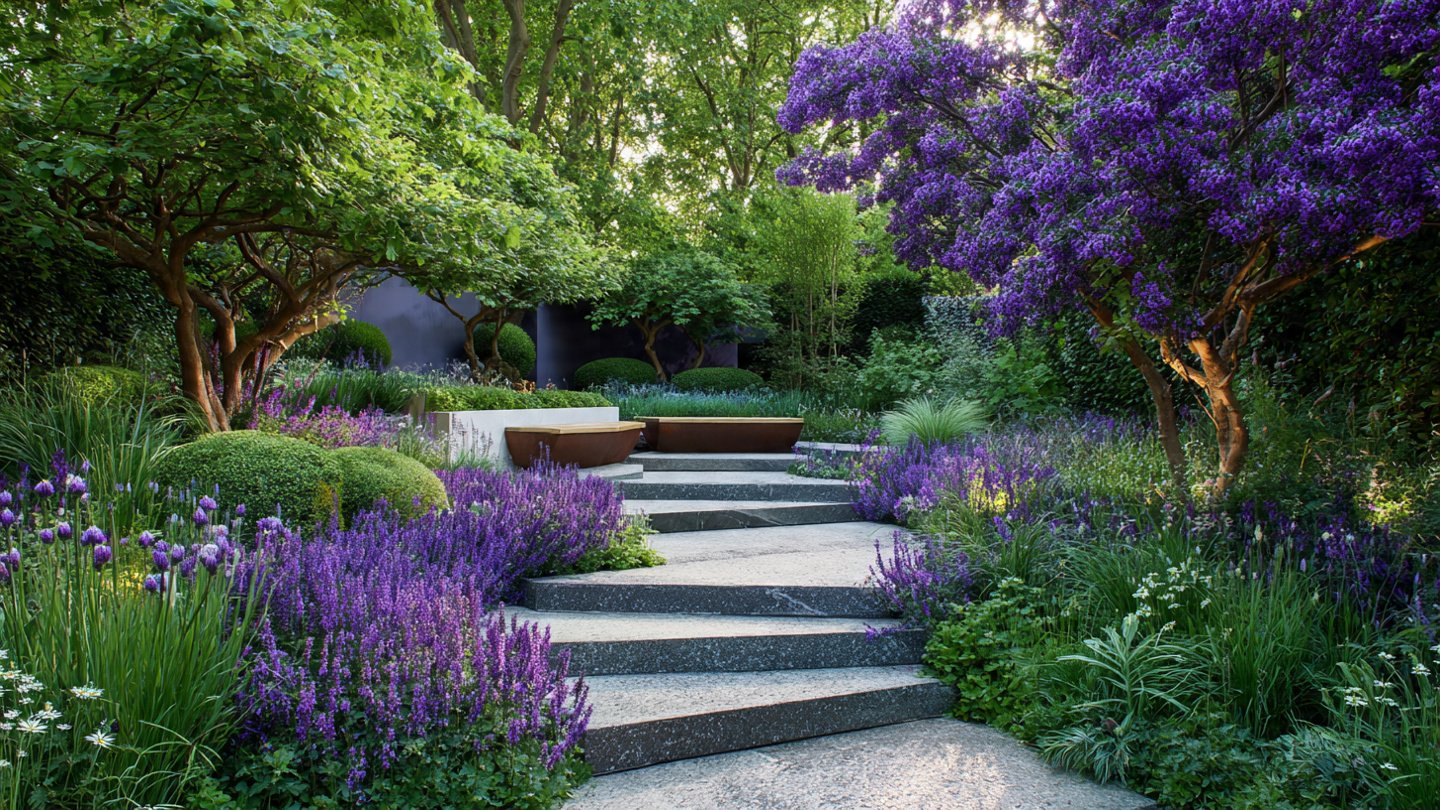
Creating a visually striking garden involves a keen understanding of design principles, particularly the effective use of contrast. Contrast can elevate the overall impact of your garden, drawing attention to specific elements, enhancing textures, and creating a sense of depth. Whether you’re working with colors, shapes, or textures, mastering the art of contrast can transform an ordinary landscape into an extraordinary one. In this comprehensive guide, we’ll explore various strategies to implement contrast effectively in your garden design.
Understanding Contrast in Garden Design
Contrast is defined as the difference between two or more elements, and it can be achieved in many ways. In garden design, contrast can draw the eye, highlight certain features, and create visual drama. It can refer to:
Latest Posts
- A Comprehensive Guide to Successfully Growing Grape Vines in Your Backyard for Beginners and Experts Alike
- Best Tips for Successful Mango Growth in Containers
- Discover the Simple Steps for Successfully Growing Coriander in a Pot
- Discovering the Ultimate Guide to Growing African Violets from Leaf Cuttings
- Simple Techniques for Successfully Growing Seedless Grapes in Home Gardens
- Ultimate Guide to Growing Balsam Plants Naturally for Vibrant Blooms
- Discover the Secrets to Growing Lush Leek Leaves with Simple Hacks for Beginners
- How to Successfully Cultivate Sweet Cherries in the Unique Climate of Canada
- The Ultimate Guide to Successfully Growing Beautiful Succulent Garden Plants at Home
- A Comprehensive Guide to Growing Dhania from Seeds for Beginners
- Color Contrast: Using complementary colors to create vibrancy.
- Textural Contrast: Mixing different textures to enhance depth.
- Shape Contrast: Combining various shapes to create movement and interest.
- Size Contrast: Playing with different sizes to create focal points.
By utilizing these forms of contrast, you can effectively communicate the mood or theme of your garden, making it more engaging and enjoyable.
Color Contrast: The Palette of Your Garden
One of the most impactful ways to create contrast in your garden is through color. Color contrast can evoke emotions and create a lively environment. Here are some strategies to effectively utilize color contrast:
1. Use Complementary Colors
Complementary colors are opposite each other on the color wheel. When paired together, they create a striking visual effect. For instance, pairing yellow flowers with purple foliage can create a vibrant focal point.

Example: Planting yellow daisies alongside deep purple irises can create a stunning display.
2. Localize Your Color Palettes
Choose a color palette that resonates with the surrounding environment. Using local flora can enhance a garden’s contrast while ensuring it fits seamlessly into its ecological niche. Play with varying hues within a limited palette for a sophisticated look.
Example: A garden featuring various shades of blue and green paired with splashes of bright orange from marigolds can harmonize with a coastal backdrop.
3. Seasonal Considerations
Take into account the seasonal changes that affect color contrasts. Some plants may bloom at different times, offering a changing canvas throughout the seasons.
Example: Combining early spring bulbs like crocuses with summer-blooming perennials like coneflowers can allow for varied color contrast as seasons change.
Textural Contrast: The Touch of Nature
Texture is a critical aspect of garden design that often gets overlooked. Mixing textures can create a rich, tactile experience that invites exploration. Here’s how to do it:
1. Mix Foliage Textures
Pair glossy leaves with matte or fuzzy textures to create intrigue. Combining large-leaved plants with delicate ferns or grasses can create a visual rhythm.

Example: The smooth, broad leaves of hostas can contrast beautifully with the fine, feathery leaves of astilbes.
2. Incorporate Hardscape Materials
Hardscape elements like stone, wood, or metal can provide essential textural contrast. The natural roughness of stone paths can soften the garden’s appearance when paired with vibrant, lush plants.
Example: An uneven stone pathway winding through fine, delicate flowers can emphasize the beauty of both materials.
3. Create Layers
Utilizing contrasting textures at different heights can also create a stunning effect. Tall, coarse grasses can contrast with low-growing, fine-textured ground covers, adding depth and dimension.
Example: Tall switchgrass can provide height against a backdrop of low-growing moss, creating a layered visual interest.
Shape Contrast: The Architecture of Your Garden
The shapes of plants and garden structures also contribute to overall contrast. Various forms can create a striking visual balance that adds dynamic movement to the design.
1. Balance Curves and Angles
Mixing rounded forms with angular shapes can create an engaging visual dialogue. The contrast between soft, round shrubs and sharp-edged architectural elements can invite movement through your space.
Example: Round boxwood hedges can be paired with angular ornamental grasses for a balanced look.
2. Vary Plant Heights and Shapes
Incorporate plants with different growth habits. Tall spiky plants contrasted with sprawling ground covers can create movement within the garden.
Example: Placing tall, upright delphinium against sprawling petunias can draw the eye upward while maintaining visual interest at ground level.
3. Use Structural Elements
Incorporating architectural features such as trellises, arches, or raised beds can contrast with organic plant shapes. This approach provides a sense of structure and stability.
Example: A rustic wooden trellis adorned with climbing roses brings together linearity and organic shapes, creating visual contrast.
Size Contrast: Making a Statement
Size plays a pivotal role in emphasizing certain elements within a garden. Creating a visual play with sizes can effectively draw attention and enhance focal points.
1. Create Focal Points with Size
Planting larger specimens as focal points can lead the eye through the garden. Horses of larger plants can coexist with smaller ones to draw attention.
Example: A large, sculptural agave can stand proudly next to low blooming perennials like creeping thyme, becoming a visual anchor.
2. Experiment with Heights
Using varying heights not only creates depth but also leads the eye along a path or toward a central feature. Tall plants can frame views, directing attention away from less visually stimulating sections.
Example: Planting tall sunflowers behind shorter zinnias can create depth while emphasizing the sunflowers as a natural focal point.
3. Consider Container Sizes
For container gardening, using pots of varying sizes can also introduce size contrast. Mixing small and large containers can create a playful arrangement, drawing attention to plant arrangements.
Example: A trio of varied-sized terracotta pots can enhance the overall composition, showcasing a mix of textures and colors.
Contrast in Garden Themes and Styles
Finally, contrast can also manifest through thematic choices in garden design. Incorporating differing themes, such as blending formal and informal styles or mixing contemporary and rustic elements, adds layers of intrigue.
1. Blend Different Garden Styles
Combining contrasting styles creates an innovative garden experience. For instance, a structured formal layout can benefit from the whimsy of cottage garden plants.

Example: Formal boxwood hedges surrounding a beautifully chaotic flower bed can create an elegant yet playful environment.
2. Create Harmony with Contrasting Themes
Thematic contrasts can encourage exploration. The juxtaposition of organic, natural elements with geometric, man-made features adds an artful balance.
Example: An elegant stone bench amidst an intentionally wild herb garden can create a serene, inviting atmosphere.
Conclusion
Creating stunning visuals in garden design hinges significantly on the effective use of contrast. By understanding and applying color, texture, shape, and size contrasts strategically, you can create a beautiful, engaging space that reflects your personal style and enhances the natural environment.
As you embark on your gardening journey, consider these principles to ensure your garden stands out. Experimentation is key; play with different elements to see how they interact, and above all, let your unique vision guide you. Through thoughtful application of contrast, you can transform your garden into an extraordinary oasis that evokes emotion and joy. Happy gardening!