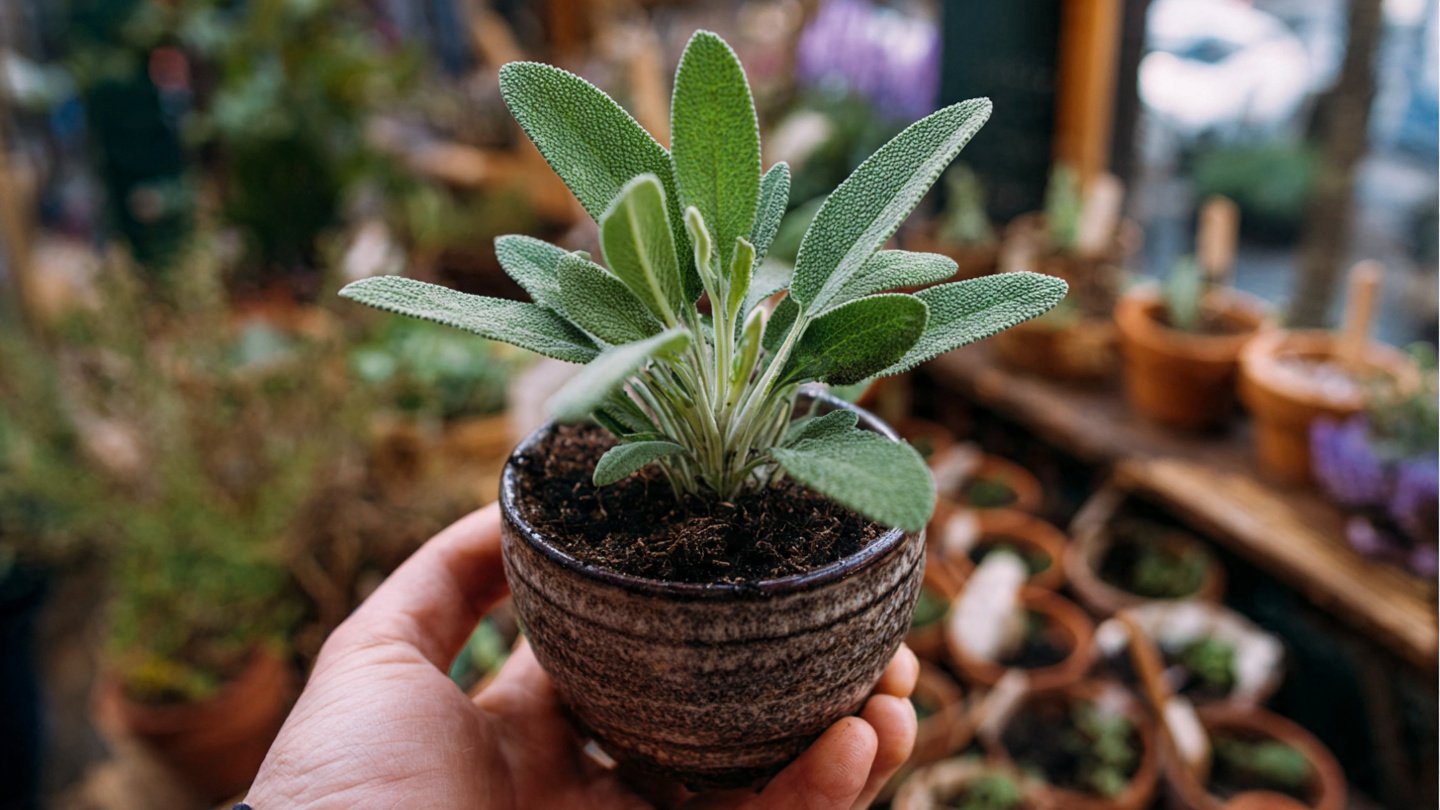
Sage is not only a popular culinary herb but also a wonderful addition to any garden due to its fragrant leaves and beautiful purple flowers. This hardy perennial belongs to the Salvia genus and is known for its aromatic properties, making it a staple in kitchens around the world. While most people grow sage from seeds or nursery plants, many don’t realize that you can also propagate it from cuttings. This article will delve into the process of growing sage from cuttings, providing you with a simple hack that can save you time and money.
Understanding Sage
Before we jump into the propagation process, it’s essential to understand the characteristics of sage. This herb thrives in well-drained soil and requires plenty of sunlight, generally thriving in USDA hardiness zones 5-10. With over 900 species, culinary sage (Salvia officinalis) is the most common, recognized for its gray-green leaves and aromatic profile. In addition to culinary uses, sage holds various medicinal benefits, ranging from antioxidant properties to aiding in digestion.
Latest Posts
- A Comprehensive Guide to Successfully Growing Grape Vines in Your Backyard for Beginners and Experts Alike
- Best Tips for Successful Mango Growth in Containers
- Discover the Simple Steps for Successfully Growing Coriander in a Pot
- Discovering the Ultimate Guide to Growing African Violets from Leaf Cuttings
- Simple Techniques for Successfully Growing Seedless Grapes in Home Gardens
- Ultimate Guide to Growing Balsam Plants Naturally for Vibrant Blooms
- Discover the Secrets to Growing Lush Leek Leaves with Simple Hacks for Beginners
- How to Successfully Cultivate Sweet Cherries in the Unique Climate of Canada
- The Ultimate Guide to Successfully Growing Beautiful Succulent Garden Plants at Home
- A Comprehensive Guide to Growing Dhania from Seeds for Beginners
Benefits of Growing Sage from Cuttings
Growing sage from cuttings offers several advantages:
-
Cost-Effective: Instead of purchasing young plants, you can easily start new ones from existing sage plants.
-
Genetic Consistency: Cuttings preserve the original plant’s genetic traits, ensuring you get the same flavor and aroma in your new plants.
-
Faster Establishment: Growing from cuttings tends to produce stronger plants quicker than starting from seed.
-
Space Efficiency: If space is limited, cuttings can be a more manageable option compared to sowing seeds.

The Best Time to Take Cuttings
Timing is key when propagating sage. The best time to take cuttings is during the growing season, late spring to early summer when the plant is actively growing. This is when the stems are firm and green, making them more likely to root successfully. Cuttings taken in the morning when temperatures are cooler tend to fare better, as the plant is still hydrated.
Preparing Your Tools
To get started with propagating sage, you will need a few essential tools:
- Sharp Scissors or Pruning Shears: For clean cuts that minimize damage to the plant.
- Small Pots or Seedling Trays: For planting your cuttings.
- Potting Soil: A light, well-draining mix is ideal. Consider using a mix specifically designed for seed starting.
- Water: For hydration during the initial stages.
- Clear Plastic Bag or Propagation Dome: To maintain humidity for your new cuttings.

Step-by-Step Guide to Growing Sage from Cuttings
Follow these simple steps to successfully propagate sage from cuttings:
Step 1: Take the Cuttings
-
Identify Healthy Stems: Choose stems that are healthy and have no signs of disease or pests. Look for firm, green stems rather than woody, older growth.
-
Make the Cut: Using sharp scissors or pruning shears, take a cutting that is about 4-6 inches long. Aim to include several leaf nodes, as these are where roots will emerge.
-
Remove Excess Leaves: Trim the leaves on the lower half of the cutting to prevent rot when placed in soil. Leave a few sets of leaves at the top to facilitate photosynthesis.
Step 2: Prepare the Cuttings for Planting
-
Dip in Rooting Hormone: Although not strictly necessary, dipping the cut end of the cutting in rooting hormone can enhance the rooting process. It encourages root formation and helps to prevent disease.
-
Plant the Cuttings: Fill your pots or seedling trays with potting soil, then create a hole in the soil for each cutting. Place the cutting in the hole, ensuring that at least one leaf node is buried. Firmly press the soil around the base to provide stability.
Step 3: Create a Humid Environment
-
Water the Cuttings: Give your newly planted cuttings a thorough watering to settle the soil around the roots. Ensure that excess water can drain away, as sage does not like to sit in soggy soil.
-
Cover for Humidity: To maintain moisture, cover the pots or trays with a clear plastic bag, plastic wrap, or a propagation dome. This helps to create a greenhouse effect, speeding up the rooting process.
Step 4: Provide Adequate Conditions
-
Light and Temperature: Place the cuttings in a bright spot with indirect sunlight. Too much direct sunlight can scorch the cuttings. Ideally, maintain a temperature around 70-75°F (21-24°C).

-
Monitor Moisture Levels: Check the humidity periodically. Remove the covering for a few hours each day to allow air exchange. If the soil feels dry, mist it lightly with water.
Step 5: Check for Root Development
After about 2-4 weeks, you should see roots developing. You can check for roots by gently tugging on the cuttings; if you feel resistance, roots are forming.
Step 6: Transplanting
Once the cuttings have rooted and are showing new growth, they are ready for transplanting into larger pots or directly outdoors. Here’s how:
-
Harden Off: For a week or two before transplanting outdoors, harden off the new plants by gradually exposing them to outdoor conditions.
-
Transplant: Choose a sunny spot in your garden with well-drained soil. If transplanting into pots, select containers that are at least 6-8 inches in diameter.
-
Water Thoroughly: After transplanting, water the new plants well, allowing them to establish themselves.

Care for Your New Sage Plants
Once your sage plants are established, ongoing care is relatively straightforward:
- Watering: Sage prefers dry conditions; water only when the soil feels dry to the touch.
- Fertilizing: A light application of fertilizer in the spring can encourage growth, but excessive fertilizer can diminish flavor.
- Pruning: Regular pruning encourages bushy growth. Trim back as needed, especially after flowering.
Conclusion
Growing sage from cuttings is an excellent way to expand your herb garden without breaking the bank. This simple hack not only offers a cost-effective solution but also allows you to enjoy the fruits of your labor much faster than starting from seed.
With the right tools, timing, and techniques, you can successfully propagate sage from cuttings, ensuring that you have a plentiful supply of this delicious herb for your culinary endeavors. So, the next time you find yourself with a flourishing sage plant, don’t hesitate to take some cuttings and expand your garden! Happy gardening!