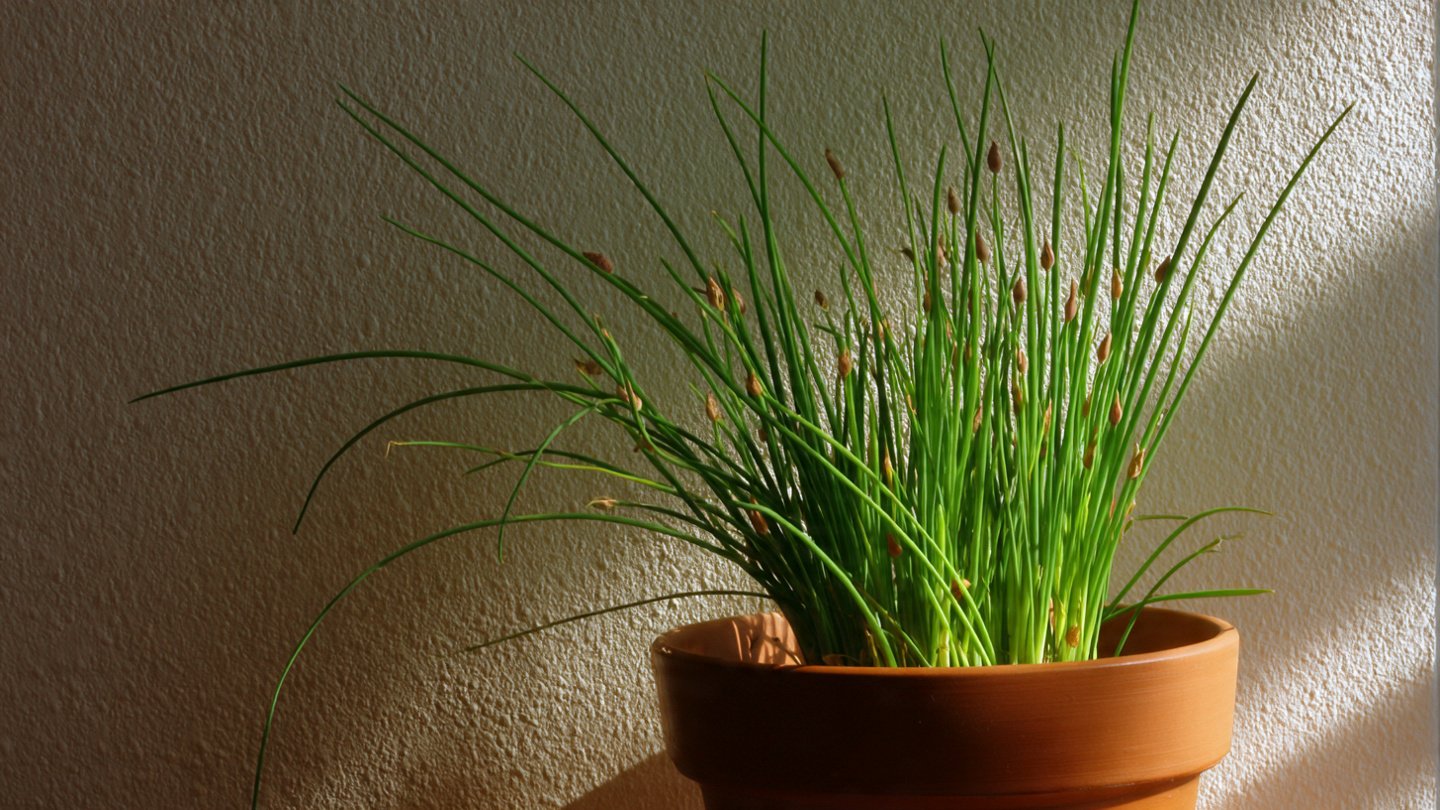
Chives (Allium schoenoprasum) are a popular herb in the culinary world, known for their mild onion flavor and delicate green stalks. Frequently used in salads, soups, and as a garnish, chives add a burst of flavor without overpowering other ingredients. For many home cooks, the idea of having fresh herbs on hand at all times is appealing, leading to the question: can you easily grow chives indoors? The answer is a resounding yes! This article will guide you through the simple process of growing chives indoors, including everything from sourcing seeds to caring for your plants.
Understanding Chives
Chives belong to the Allium family, which includes onions, garlic, and leeks. They are perennials, meaning they will continue to grow back year after year if properly cared for. Chives thrive in well-draining soil and prefer sunny conditions, making them ideal candidates for indoor gardening. They are relatively low-maintenance, making them perfect for novice gardeners or those who don’t have extensive outdoor gardening space.
Latest Posts
- A Comprehensive Guide to Successfully Growing Grape Vines in Your Backyard for Beginners and Experts Alike
- Best Tips for Successful Mango Growth in Containers
- Discover the Simple Steps for Successfully Growing Coriander in a Pot
- Discovering the Ultimate Guide to Growing African Violets from Leaf Cuttings
- Simple Techniques for Successfully Growing Seedless Grapes in Home Gardens
- Ultimate Guide to Growing Balsam Plants Naturally for Vibrant Blooms
- Discover the Secrets to Growing Lush Leek Leaves with Simple Hacks for Beginners
- How to Successfully Cultivate Sweet Cherries in the Unique Climate of Canada
- The Ultimate Guide to Successfully Growing Beautiful Succulent Garden Plants at Home
- A Comprehensive Guide to Growing Dhania from Seeds for Beginners
Benefits of Growing Chives Indoors
-
Accessibility: Having fresh chives just a reach away can enhance your culinary endeavors, allowing you to flavor dishes with fresh herbs.
-
Pest Resistance: Indoor chives are less susceptible to pests and diseases that outdoor plants face, leading to a healthier crop.
-
Aesthetics: Chives possess beautiful purple flowers that can serve as a vibrant decoration in your home.
-
Air Quality: Like many plants, chives can help purify the air, making your living space healthier.

Essential Supplies
To successfully grow chives indoors, you’ll need a few essential supplies:
-
Containers: Choose pots with drainage holes. Terra cotta or plastic containers work well.
-
Soil: Use a good-quality potting mix that drains well. A mix designed for herbs is ideal.
-
Seeds or Seedlings: You can either start from seeds or purchase young chive plants from a local nursery.
-
Watering Can: A small watering can is ideal for indoor plants to control moisture levels.
-
Light Source: Ideally, chives need about 6-8 hours of sunlight a day. A south-facing window is best, but grow lights can be used if natural light is insufficient.
Planting Chives: Step-by-Step
1. Choose Your Container

Select a pot that is at least 6 inches deep and wide enough to accommodate multiple chive plants if desired. Chives can be grown in small clusters or individually, depending on your preference.
2. Prepare the Soil
Fill the container with potting mix, leaving about an inch of space from the top for watering. Lightly compact the soil to remove any air pockets.
3. Sowing Seeds or Transplanting Seedlings
-
Seeds: If you opt for seeds, sprinkle them evenly on the soil surface and cover them lightly with an additional layer of soil, about ¼ inch thick. Water gently to moisten the soil.
-
Seedlings: If you have purchased seedlings, carefully remove them from their containers and gently loosen the roots, then plant them in the prepared pot, ensuring the root ball is covered with soil.
4. Watering
After planting, give your chives a gentle watering. Keep the soil consistently moist but not soggy. Chives are sensitive to overwatering, which can lead to root rot.
5. Lighting Conditions
Place your container in a location that receives full sunlight for 6-8 hours a day. A south-facing window is ideal. If natural light is limited, consider using grow lights to provide adequate illumination. Position the lights about 2-6 inches above the plants, ensuring they are on for about 14-16 hours a day.
6. Temperature and Humidity
Chives prefer temperatures between 60°F to 75°F (15°C to 24°C). They are relatively tolerant of humidity levels but thrive in moderate to high humidity. If your home is particularly dry, consider placing a small humidifier nearby or regularly misting the plants.
Caring for Your Indoor Chives
Watering
Chives require consistent moisture, especially during their growing phase. Check the soil moisture regularly; water when the top inch of soil feels dry to the touch. Be cautious not to overwater, as this can lead to fungal issues and root rot.
Fertilizing
Chives can benefit from occasional feeding, especially if grown in containers where nutrients may deplete more quickly. Use a balanced, water-soluble fertilizer diluted to half strength every 4-6 weeks during the growing season (spring and summer). Reduce feeding during the fall and winter when chives enter dormancy.
Pruning and Harvesting
Regularly trimming chives encourages new growth. Use clean scissors to snip off the green tops, leaving about two inches above the soil. This practice will promote bushier plants and prevent them from becoming overly tall and leggy.
When harvesting, aim to take no more than one-third of the plant at a time to allow for continued growth. Fresh chives can be used immediately or stored in the refrigerator for a short period.

Pest and Disease Management
Indoor plants are less likely to encounter pests, but issues can still arise. Common pests include aphids and spider mites. Keep an eye out for any unusual discolorations or webbing on your plants. If identified, treat infestations with insecticidal soap or neem oil.
Ensuring good air circulation and avoiding overcrowding can prevent diseases such as powdery mildew. If you notice any affected leaves, remove and dispose of them promptly.
Creating a Chive-Friendly Environment
Companion Plants
Chives are excellent companions for many vegetables and herbs. If you have the space, consider planting them alongside:
-
Tomatoes: They may help repel aphids and enhance tomato growth.
-
Carrots: Chives can improve the flavor and growth of carrots.
Harvesting for Continuous Growth
The beauty of chives is their ability to regenerate quickly after harvesting. Regular harvesting not only provides you with fresh herbs but also keeps your plants healthy and encourages them to produce new shoots.

To maintain a steady supply, stagger your planting. Start with seeds sown every few weeks, allowing you to enjoy fresh chives throughout the year.
Troubleshooting Common Issues
Leggy Growth
If your chives are growing tall and spindly, it’s a sign they are not getting enough light. Move them to a sunnier location or invest in Grow Lights.
Yellowing Leaves
Yellow leaves can indicate overwatering, poor drainage, or lack of nutrients. Check your watering routine and soil drainage, and consider fertilizing if the plants haven’t been fed recently.
Flowers and Seed Production
Chives produce attractive purple flowers in late spring and early summer. While the flowers are edible, their appearance may signal the plant is preparing to go into dormancy. If you prefer more green growth, you can snip off the flowering stalks to redirect the plant’s energy back to the leaves.
Conclusion
Growing chives indoors is not only achievable but a rewarding endeavor. With the right supplies, care, and attention, you can easily cultivate this delightful herb in your home. Not only do they enhance your dishes with fresh flavor, but they also bring a touch of greenery into your living space. By following the simple steps outlined in this guide, you can enjoy a flourishing indoor chive garden all year round. So, why not start your indoor chive journey today? Your culinary creations will thank you!