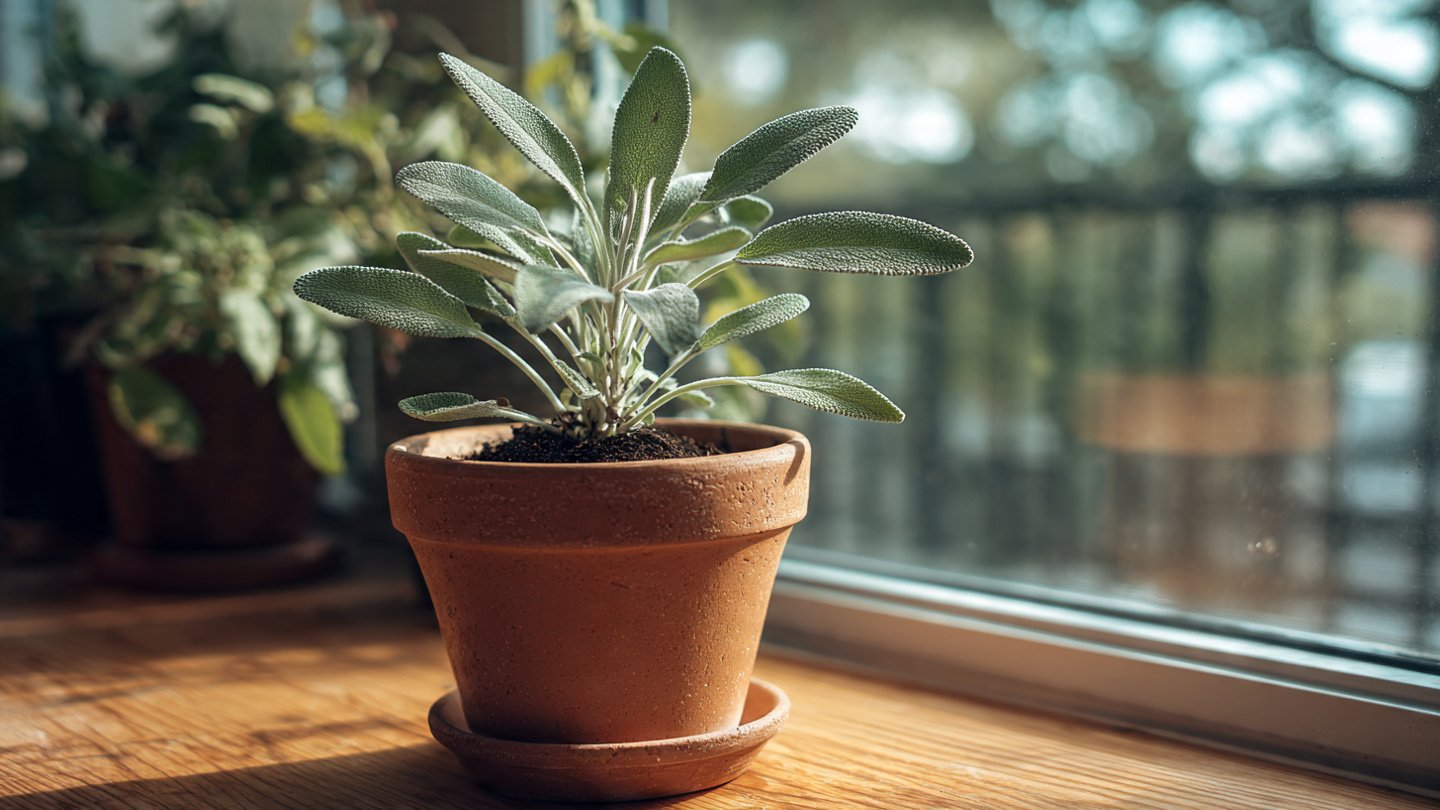
Sage (Salvia officinalis) is a beloved culinary and medicinal herb known for its robust flavor and aromatic qualities. While many gardeners aspire to grow lush, full sage plants, leggy growth can often be a frustrating issue. Understanding the principles of sage cultivation, including its preferred growing conditions and care requirements, can help you cultivate healthy, bushy plants without the leggy characteristics that are typically undesirable. In this article, we will explore the causes of leggy growth in sage and provide tips for successful, robust cultivation.
Understanding Leggy Growth in Sage
Leggy growth in plants refers to elongated stems with sparse leaves, often resulting from insufficient light or improper care. This phenomenon is particularly common with perennial herbs like sage. Leggy growth not only affects the aesthetic appeal of the plant but can also diminish its flavor and essential oil content, which are vital to culinary uses.
Latest Posts
- A Comprehensive Guide to Successfully Growing Grape Vines in Your Backyard for Beginners and Experts Alike
- Best Tips for Successful Mango Growth in Containers
- Discover the Simple Steps for Successfully Growing Coriander in a Pot
- Discovering the Ultimate Guide to Growing African Violets from Leaf Cuttings
- Simple Techniques for Successfully Growing Seedless Grapes in Home Gardens
- Ultimate Guide to Growing Balsam Plants Naturally for Vibrant Blooms
- Discover the Secrets to Growing Lush Leek Leaves with Simple Hacks for Beginners
- How to Successfully Cultivate Sweet Cherries in the Unique Climate of Canada
- The Ultimate Guide to Successfully Growing Beautiful Succulent Garden Plants at Home
- A Comprehensive Guide to Growing Dhania from Seeds for Beginners
Causes of Leggy Growth:
-
Insufficient Light: Sage thrives in full sunlight, requiring at least 6-8 hours of direct sunlight daily. Lack of adequate light pushes the plant to stretch toward the light source, causing it to grow taller and leggy.
-
Poor Air Circulation: Crowded plants or inadequate airflow can contribute to leggy growth. Without sufficient circulation, sage plants may not photosynthesize efficiently, resulting in weak growth.
-
Excessive Nitrogen: High levels of nitrogen in the soil can lead to overly rapid foliage growth. While nitrogen is essential for plant health, too much can cause excessive leafiness at the expense of sturdiness.
-
Improper Watering: Overwatering and underwatering can both stress the plant, resulting in weakened stems. Stressed plants are more prone to leggy growth as they struggle to maintain stability.
The Perfect Growing Conditions for Sage
To prevent leggy growth, it’s crucial to provide sage with optimal growing conditions. Understanding the best practices for sage cultivation is key to achieving a healthy, bushy plant.

1. Adequate Sunlight
As mentioned earlier, sage requires full sunlight to thrive. Here are tips for ensuring your sage gets enough light:
- Location: Choose a planting site with at least 6-8 hours of direct sunlight per day. South-facing gardens or patios are ideal.
- Indoor Tips: If growing indoors, place sage near a south or west-facing window. Consider using grow lights if natural light is insufficient.
2. Soil Requirements
Sage prefers well-drained, sandy loam soil that is slightly alkaline. Here’s how to prepare the perfect soil mix for sage:
- Drainage: Ensure good drainage by adding perlite or sand to your potting mix. This also prevents waterlogging, which can lead to root rot.
- pH Level: Aim for a soil pH of 6.0 to 7.0. You can test your soil’s pH using a home testing kit and adjust it with lime or sulfur if necessary.
3. Proper Spacing and Airflow
If growing multiple sage plants, proper spacing is essential for healthy growth:
- Plant Density: Space sage plants about 18-24 inches apart to allow for ample air circulation and light penetration.
- Pruning: Regularly prune the plants to promote air circulation, remove any crowded or dead branches, and encourage bushier growth.
4. Fertilization Practices
While sage doesn’t require heavy fertilization, a balanced approach can promote healthy growth without causing legginess:
- Type of Fertilizer: Use a balanced, slow-release fertilizer during the growing season. Look for fertilizers with lower nitrogen content, such as a 5-10-10 formulation.
- Application Timing: Fertilize once in the spring as new growth appears and possibly again in mid-summer if needed. Over-fertilizing can harm the plant.
5. Watering Techniques
Watering practices significantly impact sage growth:
- Watering Frequency: Water when the top inch of soil feels dry. Sage prefers to dry out between waterings to prevent root rot.
- Drainage: Ensure pots have drainage holes and avoid leaving water standing in saucers.
Cultivation Techniques to Prevent Leggy Growth
In addition to the environmental factors, employing specific cultivation techniques can significantly reduce the likelihood of developing leggy growth in sage. Here are the techniques to consider:
1. Regular Pruning
Pruning is vital for encouraging bushy growth. Here’s how to do it effectively:
- When to Prune: Start pruning in early spring once the risk of frost has passed. You can also prune lightly throughout the growing season.
- How to Prune: Use clean, sharp scissors or pruning shears to snip off the top one-third of the plant. Focus on removing leggy stems and any flowers, which can divert energy from foliage production.
2. Pinching Back
Pinching back is a technique that involves removing the growing tips of the stems:
- How to Pinch Back: As new growth emerges, pinch off the tips of the young stems using your fingers or scissors. This encourages branching and results in a fuller plant.
3. Companion Planting
Consider companion planting to help improve conditions for sage:
-
Compatible Neighbors: Plants like rosemary, thyme, and oregano thrive in similar conditions and can help ward off pests that may stress sage plants.
-
Diversity: Mixing different plant species in your garden can improve the overall microclimate and support healthier growth.
Common Issues and Troubleshooting
Even with the best practices in place, you may encounter challenges while growing sage. Here are some common problems and how to address them:
1. Pest Infestation

Pests such as aphids and spider mites can weaken sage and lead to leggy growth:
-
Prevention: Regularly monitor your plants for signs of pests and consider introducing beneficial insects like ladybugs that feed on aphids.
-
Treatment: If pests are detected, use insecticidal soap or neem oil as a natural remedy to control the population.
2. Disease Problems
Fungal diseases like powdery mildew can also affect sage growth:
-
Prevention: Ensure adequate air circulation and avoid wetting the foliage when watering.
-
Treatment: Remove infected leaves, and apply fungicides if necessary. Early intervention is critical for controlling disease spread.
Harvesting and Maintenance
Proper harvesting techniques can impact the health and growth of sage plants:
1. Harvesting Techniques

-
When to Harvest: You can begin harvesting sage once the plant is established, typically in late spring or early summer.
-
How to Harvest: Use clean scissors to snip off leaves or stems, taking care to leave at least one-third of the plant intact. This encourages further growth and helps prevent leggy stems.
2. Post-Harvest Care
After harvesting, ensure you continue to care for your sage plants by:
- Watering Appropriately: Continue with your regular watering schedule, allowing for periods of drying out.
- Pruning Regularly: Remove any dead or leggy growth that appears after harvesting to maintain a bushy plant.
Conclusion
Cultivating healthy sage without leggy growth is entirely possible with the right knowledge and practices. By providing optimal light, soil conditions, proper spacing, and regular care, you can ensure your sage plants flourish. Employing techniques like pruning, pinching back, and companion planting will further enhance the health and aesthetics of your sage. With diligence and attention to detail, you can enjoy the full, robust sage plants that elevate both your culinary creations and garden’s beauty. Happy gardening!