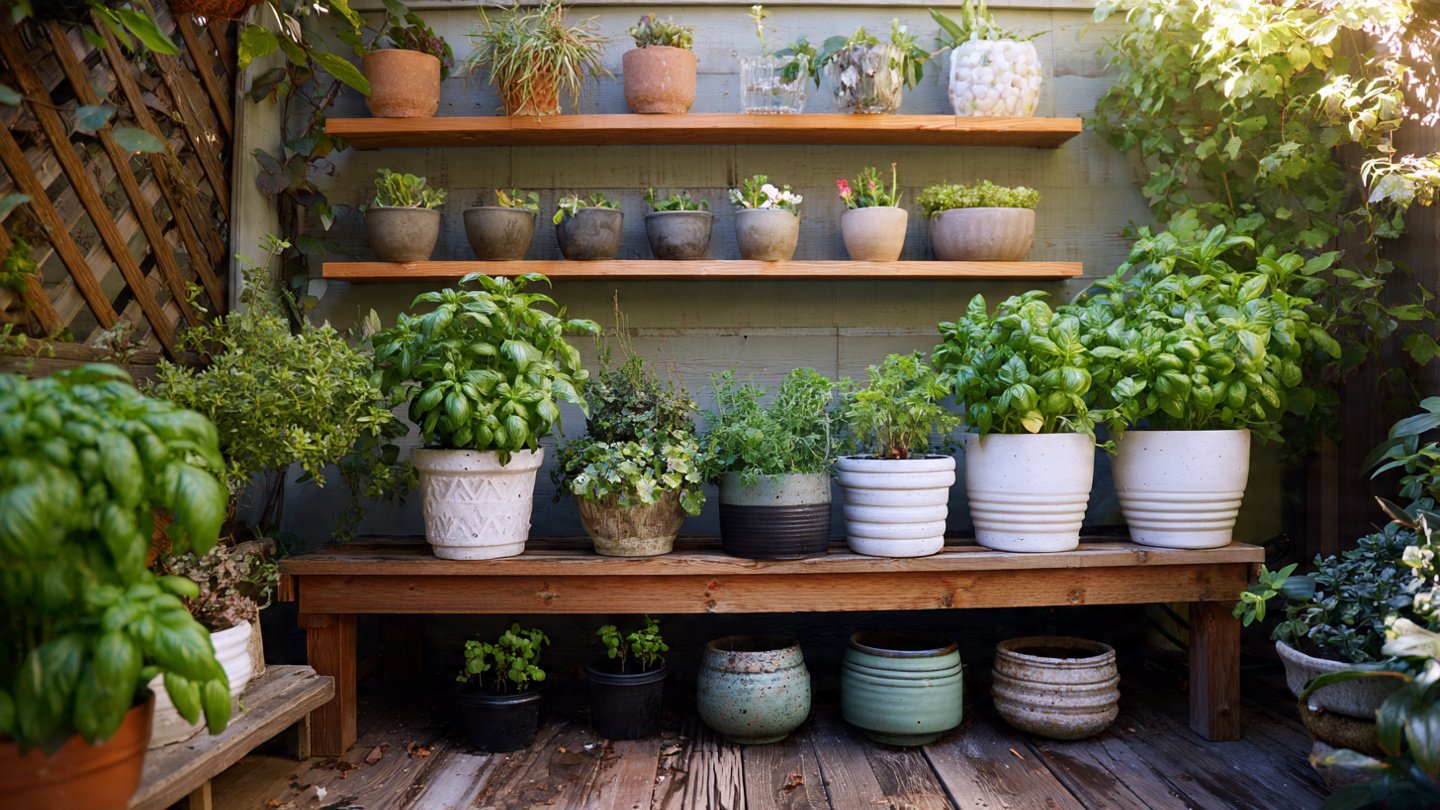
In the crowded world of urban living, where space can be a luxury, growing your own plants can seem like a daunting task. Many assume that a sprawling garden is a prerequisite for cultivating a diverse range of flora. However, with a little creativity and strategic planning, you can maximize your space and grow stock (or any other plants) in pots. This article will provide a comprehensive guide on how to do just that, transforming even the tiniest of balconies or patios into vibrant gardens.
Understanding Stock Plants
Before we dive into the strategies for growing stock in pots, it’s worth taking a moment to understand what stock plants are. Stock, or Matthiola incana, is a biennial plant known for its fragrant, vibrant blooms that can light up any garden space. Here are a few reasons to grow stock:
Latest Posts
- A Comprehensive Guide to Successfully Growing Grape Vines in Your Backyard for Beginners and Experts Alike
- Best Tips for Successful Mango Growth in Containers
- Discover the Simple Steps for Successfully Growing Coriander in a Pot
- Discovering the Ultimate Guide to Growing African Violets from Leaf Cuttings
- Simple Techniques for Successfully Growing Seedless Grapes in Home Gardens
- Ultimate Guide to Growing Balsam Plants Naturally for Vibrant Blooms
- Discover the Secrets to Growing Lush Leek Leaves with Simple Hacks for Beginners
- How to Successfully Cultivate Sweet Cherries in the Unique Climate of Canada
- The Ultimate Guide to Successfully Growing Beautiful Succulent Garden Plants at Home
- A Comprehensive Guide to Growing Dhania from Seeds for Beginners
- Aesthetics: Their stunning flowers come in a variety of colors, making them perfect for decorative purposes.
- Fragrance: Stock plants are well-loved for their sweet fragrance, which can enhance the ambiance of your outdoor area.
- Versatility: They can be used in flower beds, container gardens, or even as cut flowers inside your home.
Now that you know the why, let’s explore the how.
Choosing the Right Pots
1. Size Matters
When it comes to growing stock in pots, selecting the right size is crucial. Opt for pots that are at least 12 inches in diameter. This allows enough space for the roots to spread out and absorb nutrients. Smaller pots can restrict growth and lead to stunted plants.

2. Material Choices
The material of the pot can impact moisture retention and temperature regulation. Here are the common types:
- Terracotta: These porous pots allow for good air circulation but can dry out quickly.
- Plastic: Lightweight and available in various designs, plastic pots retain moisture better but may not provide the same aesthetic appeal.
- Fiberglass: These pots are durable and can mimic the look of other materials, balancing weight and moisture retention.
3. Drainage
Ensure your pots have adequate drainage holes at the bottom. Proper drainage is essential for preventing waterlogging, which can lead to root rot. If your chosen pot lacks drainage holes, consider using them for smaller plants or incorporate them into a larger pot with drainage.
Soil and Fertilization
1. Quality Soil
Invest in high-quality potting soil that has good drainage capabilities. A mix that contains peat moss, compost, and vermiculite works well for stock plants. This blend retains moisture while allowing excess water to drain away.
2. Fertilization
Stock plants benefit from nutrient-rich soil. During the growing season, use a balanced fertilizer every 4-6 weeks to promote healthy growth and vibrant blooms. Liquid fertilizers can be particularly effective when diluted according to packaging instructions.
Optimal Growing Conditions
1. Light Requirements
Stock thrives best in full sun. Make sure your pots are situated in a location where they will receive at least six hours of direct sunlight each day. If you’re working with limited sunlight, consider varieties of stock that can tolerate partial shade.
2. Temperature Considerations
Stock is a cool-weather plant, thriving in temperatures between 60°F and 70°F (15°C to 21°C). If planting in warmer climates, consider using shade cloth to protect your plants during the hottest part of the day.
3. Watering
Keeping the soil consistently moist (but not soggy) is key to healthy stock plants. Water thoroughly until it drains from the bottom, but check the top inch of soil for dryness before watering again. It’s important to adjust your watering routine depending on the weather; hotter days will require more frequent watering.
Planting and Care
1. Timing is Key
For most regions, the best time to plant stock seeds or seedlings is in early spring or late summer. This timing allows for optimal growth during the cooler months when temperatures are ideal.
2. Spacing
Even in pots, stock plants need space to grow. When planting multiple stocks in a single pot, ensure there’s at least 8-10 inches apart among the seedlings. This spacing encourages air circulation and minimizes competition for nutrients.
3. Pruning and Deadheading
Regular care will promote lush growth. Deadhead spent flowers to encourage further blooming and prune any yellowing leaves to keep the plant healthy.
Maximizing Vertical Space
One of the best ways to maximize your gardening space is through vertical gardening techniques. Here are some effective strategies:
1. Stacking Pots
Consider using a tiered plant stand or shelving unit to stack multiple pots. This not only saves space but creates a visually appealing display. Ensure that each pot remains accessible for watering and maintenance.
2. Hanging Pots
Using macramé hangers or wall-mounted brackets can allow you to grow stock flowers at varying heights. This not only adds dimension to your garden but also enables you to utilize underused vertical space.
3. Vertical Garden Systems
Investing in vertical garden planters can create an entirely new dimension to your planting space. These systems hold multiple pots and planters, allowing them to cascade down walls or fences.
Companion Planting
Incorporating companion plants can help maximize the productivity of your pot garden. Pair stock with other plants that have complementary needs, such as:
- Dwarf Marigolds: Great at attracting beneficial insects and deterring pests.
- Alyssum: Can provide ground cover while enhancing visual appeal.
- Salvia: This aromatic plant can also benefit from similar sunlight and watering requirements.
Companion planting can create a thriving micro-ecosystem in your pot garden, which ultimately supports healthy growth.
Troubleshooting Common Issues
Even the most diligent gardener can encounter problems. Here are a few common issues and their solutions:
1. Pests
Watch out for aphids, spider mites, and whiteflies. Use insecticidal soap or neem oil as organic solutions to mitigate infestations. Always inspect plants regularly and act quickly to address any pest issues.

2. Diseases
Fungal diseases such as powdery mildew can affect stock plants. Ensure good air circulation and avoid overhead watering to minimize humidity around the leaves. If problems arise, consider removing affected leaves and applying fungicide if necessary.
3. Nutrient Deficiency
Signs of nutrient deficiency include yellowing leaves or stunted growth. Regular fertilization is key to preventing these issues, but you can also conduct a soil test to gauge nutrient levels for more targeted amendments.
Conclusion
Maximizing your space to grow stock in pots is not only feasible, but it’s also an enjoyable way to engage with your environment, produce beautiful blooms, and contribute to your home’s aesthetics. Following the guidelines above—selecting the right pots, enriching the soil, optimizing conditions, employing vertical strategies, and addressing common issues—will help you cultivate a thriving container garden, no matter how limited your space may be.
Gardening in pots allows for flexibility, creativity, and a chance to introduce nature into your living space. So gather your pots, seeds, and tools, and start your journey towards a lush and vibrant garden, one pot at a time!