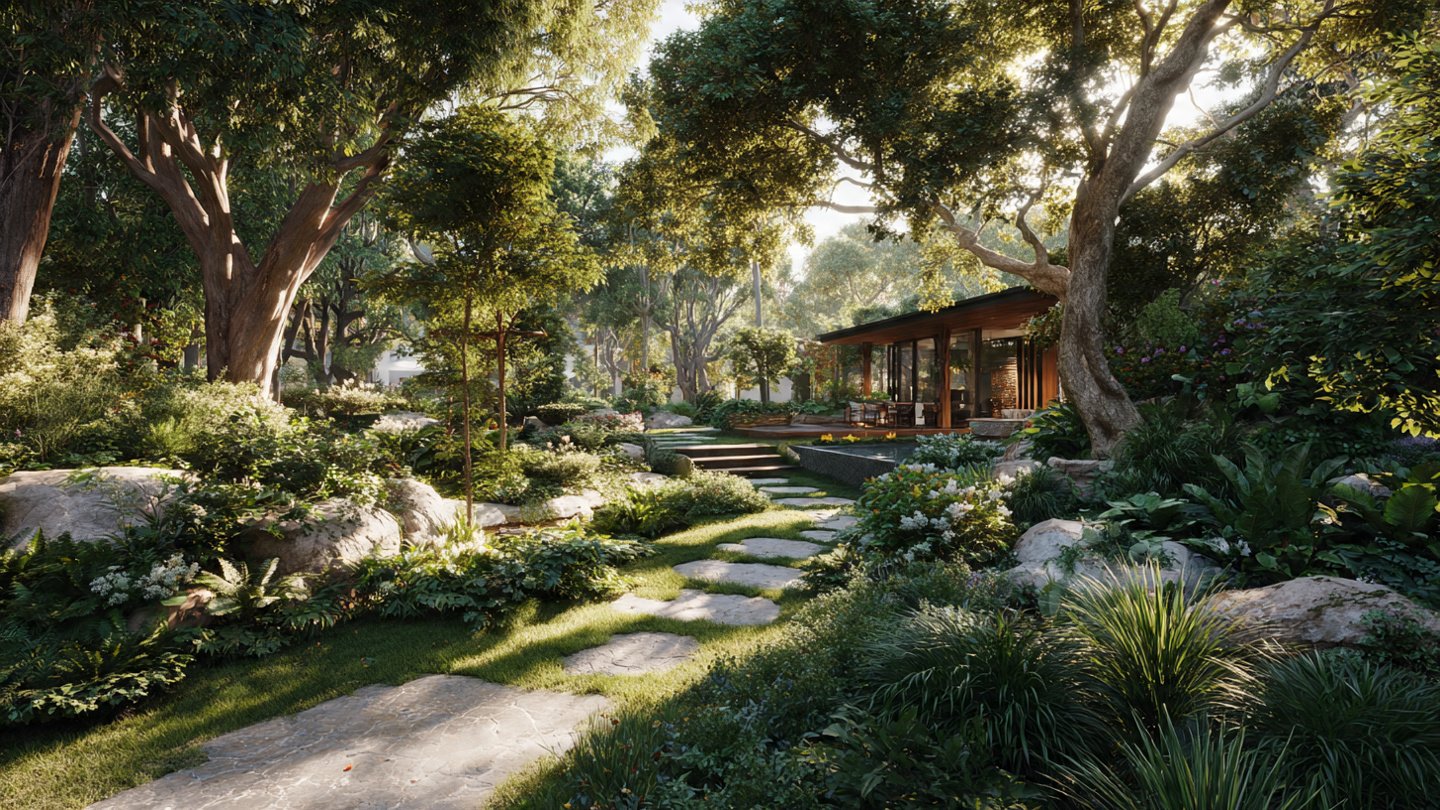
Creating a resort-style home garden is a fantastic way to transform your outdoor space into a serene escape, where relaxation and beauty combine. This article outlines the best methods to design, build, and maintain your dream garden, giving you tips and inspiration for a personal paradise.
1. Assess Your Space
a. Analyze the Layout
Latest Posts
- A Comprehensive Guide to Successfully Growing Grape Vines in Your Backyard for Beginners and Experts Alike
- Best Tips for Successful Mango Growth in Containers
- Discover the Simple Steps for Successfully Growing Coriander in a Pot
- Discovering the Ultimate Guide to Growing African Violets from Leaf Cuttings
- Simple Techniques for Successfully Growing Seedless Grapes in Home Gardens
- Ultimate Guide to Growing Balsam Plants Naturally for Vibrant Blooms
- Discover the Secrets to Growing Lush Leek Leaves with Simple Hacks for Beginners
- How to Successfully Cultivate Sweet Cherries in the Unique Climate of Canada
- The Ultimate Guide to Successfully Growing Beautiful Succulent Garden Plants at Home
- A Comprehensive Guide to Growing Dhania from Seeds for Beginners
Before you start building, evaluate your existing landscape. Consider factors such as:
- Size: How much space do you have?
- Sunlight: Are there shaded areas, or does the sun shine on the garden?
- Drainage: Is the soil well-draining, or does it collect water?
- Access: Can you easily reach the area to build and maintain it?
b. Determine Your Goals
Think about what you want from your garden:
- Relaxation Areas: Are you looking for spaces to sit and unwind?
- Entertainment: Do you want a place for gatherings or outdoor dinners?
- Vegetation: Will you include flowers, shrubs, or edible plants?
Defining your goals allows for a better design that meets your needs.
2. Design Your Layout
a. Choose a Theme
A coherent theme will give your garden a harmonious look. Consider different styles, such as:
- Tropical: Palms, bamboo, and vibrant flowers.
- Mediterranean: Olive trees, lavenders, and terracotta pots.
- Zen: Gravel paths, bamboo, and serene water features.

b. Sketch a Plan
Draft a layout that incorporates:
- Paths: These connect different areas of your garden and enhance accessibility.
- Zones: Designate areas for relaxation, dining, and planting.
- Features: Include elements such as fountains, fire pits, or seating.
3. Choose Plants Wisely
a. Select the Right Flora
Choose plants that complement your theme and are suited to your climate. Consider:
- Perennials: Long-lasting plants that return each year.
- Annuals: Seasonal blooms that add vibrant color.
- Edibles: Herbs, vegetables, and fruits bring utility and beauty.
b. Layering Plants
Create visual interest by layering plants:
- Tall Plants: Spireas, hollyhocks, or sunflowers should be placed in the back.
- Medium Plants: Consider hydrangeas or lantanas for mid-level appeal.
- Ground Cover: Use creeping thyme, sedum, or moss for a lush carpet.
c. Seasonal Considerations
Incorporate plants that bloom at different times throughout the year. This ensures your garden remains vibrant, from spring flowers to autumn foliage.

4. Integrate Water Features
Water features can enhance the resort-style ambiance significantly. Consider:
a. Fountains
A fountain adds sound and movement to your garden. Choose from:
- Wall Fountains: Space-saving and can be quite artistic.
- Tabletop Fountains: Ideal for smaller spaces or balconies.
- Pond Fountains: Create a natural habitat in larger yards.
b. Ponds or Streams
If feasible, a pond with aquatic plants can attract wildlife and create an idyllic setting. Add Koi or goldfish for color and movement.
c. Swimming Pools
Incorporating a swimming pool requires planning but dramatically enhances resort-style living. Consider designs that include surrounding lounge areas, waterfalls, or integration with natural landscapes.
5. Choose Hardscape Elements
Hardscaping involves non-plant elements, critical for structure. Consider:
a. Patios and Decks
Adding a patio or deck creates an area for lounging and dining. Choose materials that match your theme:
- Natural Stone: For a rustic appeal.
- Wood: For a classic, warm feel.
- Tiles: Durable options that come in various designs.
b. Pathways
Create defined paths using materials like gravel, pavers, or wood chips, ensuring safe and easy navigation through your garden.
c. Walls and Fencing
Retaining walls not only provide structure but can also create planting beds. Fencing provides privacy while contributing to the aesthetic.
6. Install Lighting
Proper lighting allows you to enjoy your garden during the evening and enhances safety. Consider:
a. Ambient Lighting
Soft lights create a cozy environment:
- String Lights: Elegant and playful for trees and patios.
- Solar Lights: Energy-efficient options for pathways.
b. Spotlighting
Use focused lights to highlight features like statues, trees, or water elements.
c. Motion Sensors
For security purposes, consider installing motion-sensor lights to illuminate pathways when someone approaches.
7. Furnishing Your Resort Garden
a. Outdoor Furniture
Choose comfortable, durable outdoor furniture that complements your garden’s theme:
- Lounge Chairs: Perfect for sunbathing.
- Dining Sets: Ideal for hosting meals outdoors.
- Hammocks: Create cozy nooks for relaxation.
b. Textiles
Incorporate outdoor rugs, cushions, and throws to add comfort and color, making your space feel like a true retreat.
c. Shade Structures
Consider adding pergolas, awnings, or umbrellas to provide shade for those sunny days, creating an inviting area for relaxation.
8. Maintenance and Care
a. Soil and Fertilization
Healthy plants require nutrient-rich soil. Regularly test and amend your soil with compost or appropriate fertilizers to support growth.
b. Watering
Implement an irrigation system to ensure plants receive adequate water. Drip irrigation is efficient for targeted watering, while sprinklers can cover larger areas.
c. Pruning and Weeding
Regularly prune plants to encourage growth and remove any dead foliage. Weeding is essential to prevent competition for nutrients.
d. Seasonal Tasks
Create a schedule for seasonal maintenance:
- Spring: Clean up debris, plant new flora, and fertilize.
- Summer: Regular watering and pest management.
- Fall: Prepare for winter, mulching, and planting bulbs.
- Winter: Protect delicate plants and plan for the next season.
9. Consider Sustainable Practices
Emphasizing sustainability in your garden can enhance its beauty while being environmentally friendly.

a. Native Plants
Utilizing native plants boosts the local ecosystem and requires less maintenance, as they thrive in local conditions.
b. Rainwater Harvesting
Consider installing a rain barrel to collect and use water for your garden.
c. Organic Gardening
Ditch chemicals for organic solutions in pest control and fertilization, leading to a safer environment for you and local wildlife.
10. Personal Touches
a. Art and Sculpture
Adding art pieces can elevate the aesthetic of your garden. Consider sculptures, mosaics, or even rustic signs.
b. Themed Décor
Incorporate décor that matches your chosen theme. This could include tropical elements for a beachy feel or rustic objects for a cozy environment.
c. Garden Amenities
Consider adding extras like an outdoor kitchen, fire pit, or even a sauna. These elements elevate the resort style, creating a luxurious feel.
Conclusion
Creating a resort-style home garden is an exciting venture that brings nature, relaxation, and beauty together. With thoughtful planning, a focus on your goals, and a dash of personal flair, you can cultivate a serene escape that enhances your lifestyle. Remember that this is a personal project; take your time and enjoy the process as you transform your outdoor space into your very own paradise.