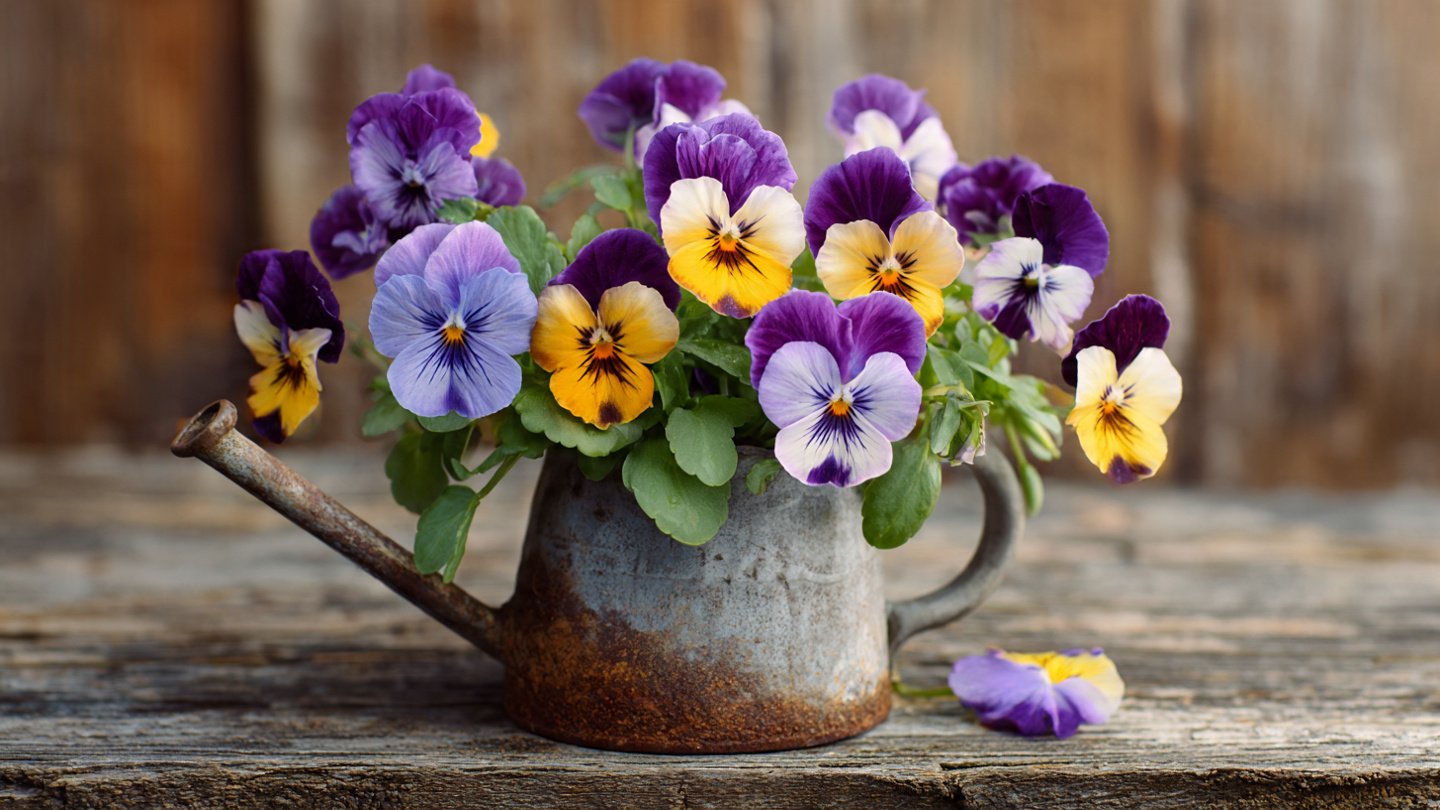
Pansies (Viola tricolor) are one of the most beloved flowers among gardeners, cherished for their vibrant colors, unique patterns, and ability to bloom in cooler temperatures. If you’re a beginner looking to add some colorful blooms to your garden, this simple guide will walk you through everything you need to know about growing pansies at home.
Understanding Pansies
Characteristics
Latest Posts
- A Comprehensive Guide to Successfully Growing Grape Vines in Your Backyard for Beginners and Experts Alike
- Best Tips for Successful Mango Growth in Containers
- Discover the Simple Steps for Successfully Growing Coriander in a Pot
- Discovering the Ultimate Guide to Growing African Violets from Leaf Cuttings
- Simple Techniques for Successfully Growing Seedless Grapes in Home Gardens
- Ultimate Guide to Growing Balsam Plants Naturally for Vibrant Blooms
- Discover the Secrets to Growing Lush Leek Leaves with Simple Hacks for Beginners
- How to Successfully Cultivate Sweet Cherries in the Unique Climate of Canada
- The Ultimate Guide to Successfully Growing Beautiful Succulent Garden Plants at Home
- A Comprehensive Guide to Growing Dhania from Seeds for Beginners
Pansies are hardy annuals known for their large, flat blooms that come in a wide range of colors, including shades of blue, purple, yellow, and orange. They feature a distinctive “face” pattern, making them popular for both gardens and containers. Pansies typically grow between 6 to 12 inches tall, making them versatile for use in borders, pots, window boxes, or even as ground cover.
Growing Zones
Pansies thrive in USDA Hardiness Zones 3-9, which means they can survive in various climates, particularly in areas with cool spring or fall weather. They are perfect for early spring gardens and can even tolerate light frosts.
Choosing the Right Location
Light Requirements
Pansies prefer full sun to partial shade. In regions with hot summers, it’s best to provide some afternoon shade to prevent the flowers from wilting. Aim for 6 hours of sunlight a day to promote healthy growth and vibrant blooms.
Soil Preferences

Pansies thrive in well-draining soil that is rich in organic matter. A slightly acidic to neutral pH (between 6.0 and 7.0) is ideal. If your soil is heavy clay, consider amending it with compost or peat moss to improve drainage.
Space Considerations
When planting pansies, ensure they have enough space to grow. Space them about 6 to 8 inches apart, allowing for air circulation and room for growth.
Planting Pansies
When to Plant
Timing is key when planting pansies. For spring blooms, sow seeds indoors 8-10 weeks before the last frost date, which typically means planting in late winter. Alternatively, pansies can be planted directly in the ground in early spring once the soil has thawed.
For fall blooms, you can also plant pansies in late summer (6-8 weeks before the first frost) to enjoy their beauty until the frost arrives.
Seed Starting Indoors
- Gather Your Supplies: You’ll need seed trays, seed-starting mix, labels, and a plastic cover.
- Prepare the Soil: Fill your trays with seed-starting mix and lightly moisten it.
- Sow the Seeds: Plant the seeds on the surface of the soil and cover them lightly with soil, as they need light for germination.
- Maintain Moisture: Keep the soil moist but not soggy. Use a plastic cover to retain humidity until the seeds germinate, usually within 10-14 days.
- Provide Light: Once the seedlings emerge, ensure they get enough light, either from a bright window or grow lights.

Transplanting Outdoors
Once seedlings have two sets of true leaves and the outdoor conditions are suitable (soil temperature around 60°F or higher), it’s time to transplant them outdoors. Follow these steps:
- Harden Off the Seedlings: Gradually acclimate them to outdoor conditions by placing them outside for a few hours each day, increasing exposure over a week.
- Prepare the Site: Loosen the soil in your garden bed and mix in compost.
- Plant the Seedlings: Dig holes slightly larger than the root ball and place the seedlings gently, firming the soil around them.
- Water Thoroughly: Water the newly planted pansies well.
Caring for Pansies
Watering
Pansies prefer consistently moist soil but do not like to sit in water. Water them deeply once a week, or more often during extremely hot dry spells. A good rule of thumb is to check the soil—if the top inch feels dry, it’s time to water.
Fertilizing
Fertilize pansies once a month with a balanced, water-soluble fertilizer to encourage growth and blooming. Be careful not to over-fertilize, as this can lead to lush leaves at the expense of flowers.
Deadheading
To encourage continuous blooming, regularly deadhead the spent flowers. This involves pinching or cutting off faded blooms to prevent the plant from going to seed. This practice will promote new growth and prolong the blooming period.
Pest and Disease Management
Pansies are relatively pest-resistant, but keep an eye out for aphids, slugs, and snails. If you notice any pests, spray them with insecticidal soap or neem oil. Pansies are also susceptible to root rot if overwatered, so ensure they have well-drained soil.
Seasonal Care
During warmer months, pay extra attention to watering and consider providing shade if temperatures soar. As winter approaches, in colder regions, cover your pansies with mulch or row covers to protect them from frost.
Additional Tips
- Companion Planting: Pansies make excellent companions for vegetables and herbs, attracting beneficial insects and boosting the overall health of your garden.
- Varieties: Explore different pansy varieties such as ‘Cool Wave’ for trailing growth in containers or ‘Majordomo’ for its unique color blends.
FAQs
1. How often should I water my pansies?
Pansies should be watered deeply once a week, or more frequently in severe heat or drought conditions. Check the soil moisture before watering.
2. Can pansies survive winter?
Yes, pansies are hardy and can survive mild winters. In colder climates, they may die back but often return in spring.
3. What should I do if my pansies stop blooming?
If pansies stop blooming, check for signs of pests, diseases, or nutrient deficiencies. Regular deadheading and proper watering can also help promote new growth.
4. Can I grow pansies in containers?
Absolutely! Pansies thrive in containers. Make sure your pots have drainage holes and use well-draining potting soil.
5. Are pansies deer resistant?

Pansies are not typically favored by deer but may still be eaten if food sources are scarce. Consider using deer repellents if you’re in a heavily affected area.
6. How do I choose the right pansy variety for my garden?
Choose pansy varieties based on your climate, bloom time, and color preferences. Some varieties are bred specifically for heat tolerance or trailing growth.
7. What’s the best way to fertilize pansies?
Using a balanced, water-soluble fertilizer once a month works well for pansies. Ensure it’s low in nitrogen to promote blooming rather than foliage growth.
8. Can pansies grow in partial shade?
Yes, pansies can tolerate partial shade, especially in regions with hot summers. In cooler climates, full sun is preferable.
Conclusion
Growing pansies is a rewarding venture for beginners and experienced gardeners alike. With their bright colors and delightful fragrance, they bring joy and beauty to any garden. By following this simple guide, you’ll be well on your way to cultivating your own vibrant patch of pansies, enhancing your outdoor space, and enjoying the satisfaction that comes with nurturing plants. Happy gardening!