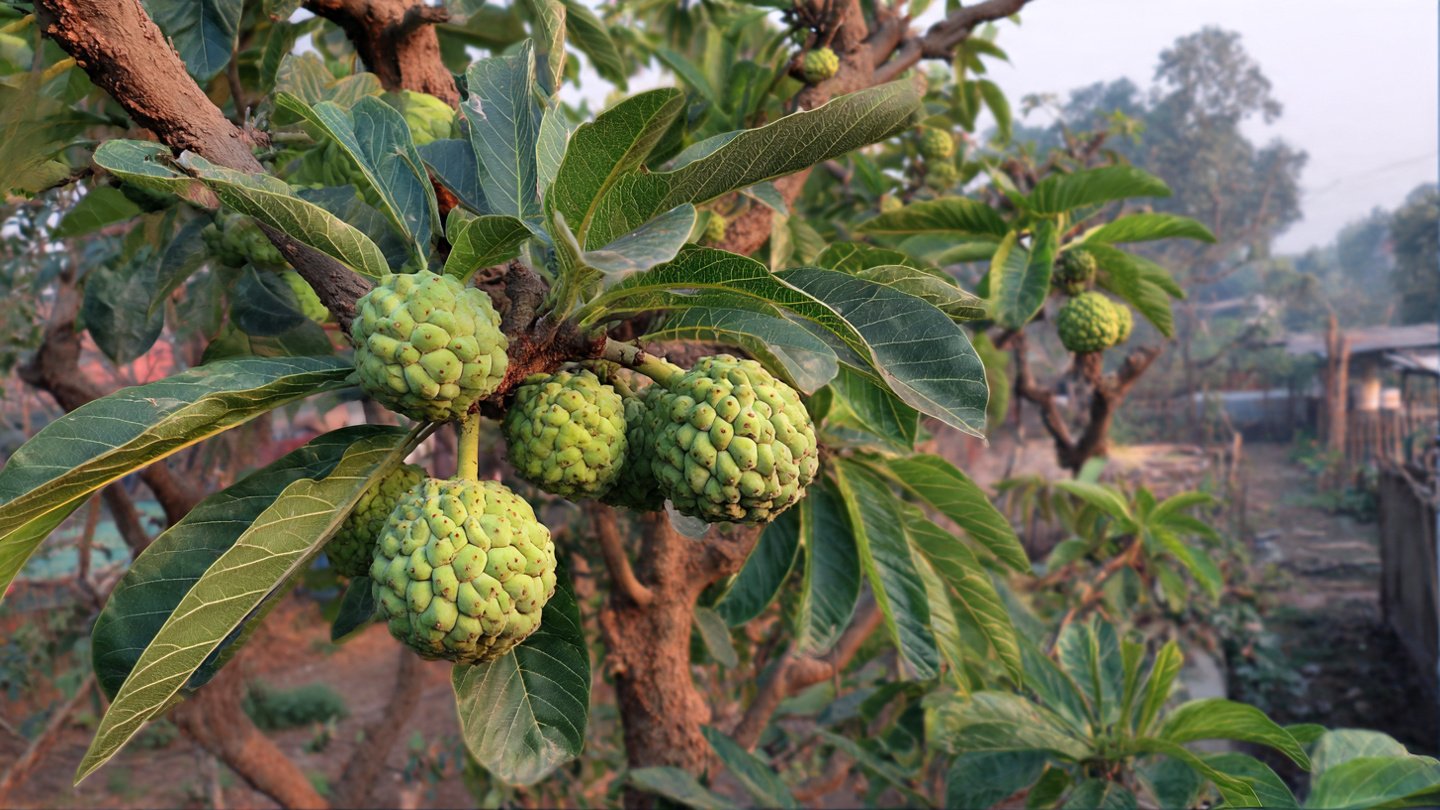
Custard apple trees (Annona squamosa) are cherished for their unique and delicious fruits. Pruning is a critical aspect of maintaining healthy custodial apple trees and maximizing fruit yield. This article will explore the various techniques and best practices for pruning these trees to ensure they remain productive and healthy.
Understanding Custard Apple Trees
Custard apple trees are tropical plants native to the Americas, particularly in regions with warm climates. These trees can grow up to 10 to 20 feet tall and produce round to conical fruits with creamy, sweet pulp. The tree thrives in full sun and well-drained soil, making it essential to adopt proper cultural practices, including pruning, to reap the most benefit.
Latest Posts
- A Comprehensive Guide to Successfully Growing Grape Vines in Your Backyard for Beginners and Experts Alike
- Best Tips for Successful Mango Growth in Containers
- Discover the Simple Steps for Successfully Growing Coriander in a Pot
- Discovering the Ultimate Guide to Growing African Violets from Leaf Cuttings
- Simple Techniques for Successfully Growing Seedless Grapes in Home Gardens
- Ultimate Guide to Growing Balsam Plants Naturally for Vibrant Blooms
- Discover the Secrets to Growing Lush Leek Leaves with Simple Hacks for Beginners
- How to Successfully Cultivate Sweet Cherries in the Unique Climate of Canada
- The Ultimate Guide to Successfully Growing Beautiful Succulent Garden Plants at Home
- A Comprehensive Guide to Growing Dhania from Seeds for Beginners
Why Prune Custard Apple Trees?
-
Improved Air Circulation: Pruning removes excess foliage, allowing better air circulation between branches. This reduces humidity and prevents fungal diseases.
-
Enhanced Light Penetration: A well-pruned tree allows sunlight to reach more of its branches and fruit, ensuring that the tree can photosynthesize effectively.
-
Increased Fruit Production: By focusing the tree’s energy on fewer branches, pruning encourages the growth of healthy buds that can produce a more abundant fruit yield.
-
Structural Integrity: Pruning can help shape the tree and maintain a strong structure, preventing limbs from breaking under the weight of the fruit.
-
Control of Size and Shape: Regular pruning can help control the size of the tree, making it easier to harvest the fruits and manage overall care.
When to Prune
Timing is crucial when it comes to pruning custard apple trees. The ideal time to prune is during the late winter or early spring before the trees start their new growth. This timing allows the tree to heal quickly and minimizes the risk of stress from pruning during the growing season.
Seasonal Considerations
- Dormancy Period: Pruning during dormancy helps the tree direct energy towards new growth in the spring.
- Post-Harvest: Another timing option is after the harvest, as this allows you to remove any dead or unproductive wood while encouraging new growth for the next season.
Tools Needed for Pruning
Before you begin pruning, ensure you have the right tools to facilitate the process. Here’s a list of essential tools:
- Hand Pruners: For small branches and shaping.
- Loppers: For larger branches that are harder to reach.
- Pruning Saw: For thicker branches or limbs.
- Gloves: To protect your hands from cuts or scratches.
- Safety Glasses: To protect your eyes from falling debris.
- Disinfecting Spray: To prevent the spread of diseases between plants.
Steps for Pruning Custard Apple Trees
Step 1: Evaluate the Tree’s Structure
Before you start, take a step back and assess the tree’s overall shape and health. Identify areas that might need improvement, such as overcrowded branches, dead wood, or diseased limbs. Look for:
- Crossed Branches: Branches that rub against each other can lead to wounds and disease.
- Suckers: Shoots that grow from the base of the tree should be trimmed as they divert resources from productive branches.
- Deadwood: Remove any dead or diseased wood to promote a healthier tree.
Step 2: Clean Your Tools
Before starting your pruning, disinfect your pruning tools. A solution of one part bleach to ten parts water or rubbing alcohol will help prevent the spread of diseases. This practice is especially crucial for fruit trees.
Step 3: Start with Dead or Diseased Wood
Begin your pruning by removing dead or diseased branches. Cut these branches back to the point of healthy wood. This will help prevent the spread of diseases and pests that can compromise the tree’s health.
Step 4: Thin Out Excess Growth
Next, focus on thinning the tree to improve air circulation and light penetration. Look for branches that are too close together or overcrowded.
- Remove Small Branches: Prioritize removing smaller, less productive branches to allow energy to be directed to the more significant, fruit-bearing branches.
- Target Vertical Growth: Trim back excessive vertical growth or “water sprouts” that can hinder fruit development.
Step 5: Shape the Tree

Shaping is essential for maintaining structural integrity and ensuring that the tree has a balanced appearance.
- Create a Central Leader: Ideally, your custard apple tree should have a central leader—a primary stem that rises above the others. This leader should be slightly taller than other branches.
- Maintain a Prominent Canopy: Ensure that the canopy is broad rather than too tall, which can make harvesting difficult. Aim to create an open shape that allows for access to fruit and sunlight.
Step 6: Cut at the Right Angle
When making cuts, always use sharp tools and aim for a 45-degree angle. This angle allows for better water runoff and minimizes the risk of disease.
Step 7: Monitor and Make Adjustments
After your initial pruning, monitor the tree throughout the growing season. You may find that additional minor adjustments are needed to maintain the desired shape and structure. Be cautious and avoid over-pruning; it is often better to prune less than more.
Additional Pruning Considerations
-
Training Young Trees: For young custard apple trees, consider using a training system to promote a strong structure. This may involve tying branches to supports to encourage a desirable growth pattern.
-
Regular Maintenance: Performing small, routine prunings throughout the year can help maintain the tree’s health without over-stressing it.
-
Fertilization Post-Pruning: After pruning, consider applying a balanced fertilizer to support new growth. Healthy new growth post-pruning can lead to a better fruit yield in the upcoming seasons.
-
Pest and Disease Management: Keep an eye out for pests and diseases, especially after pruning, as the cut areas can be vulnerable. Employ preventive measures, such as organic pesticides or neem oil, as needed.
Conclusion
Pruning custard apple trees is vital for maximizing fruit yield and ensuring long-term health. By performing regular maintenance, assessing tree structure, and making timely cuts, you can encourage a thriving and productive custard apple tree.
Implementing these practices will not only result in a bountiful harvest but will also ensure that your custard apple tree remains a beautiful and integral part of your garden landscape. Happy pruning!