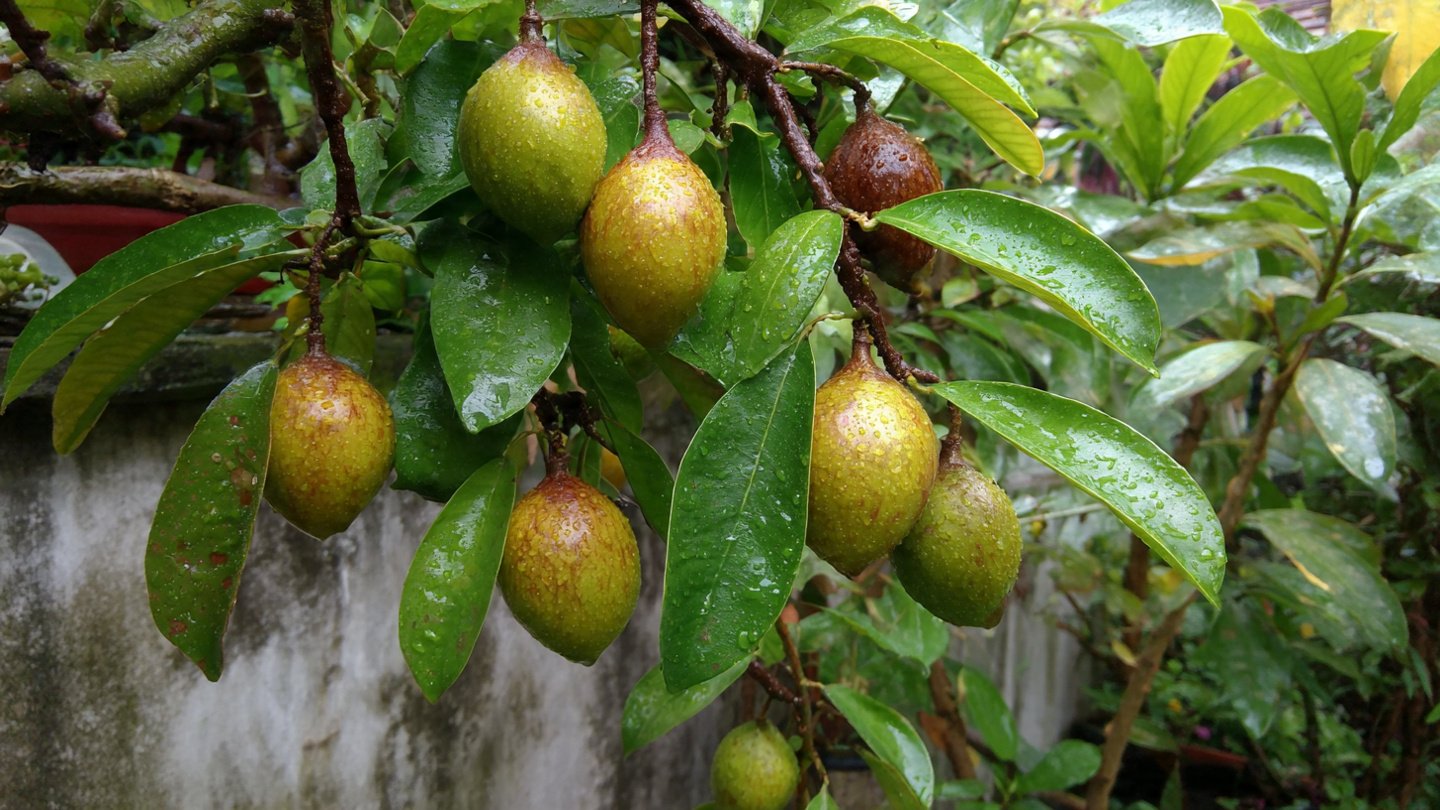
Sitaphal, or custard apple (Annona squamosa), is a delectable fruit known for its creamy texture and sweet flavor. If you are looking to cultivate this exotic fruit in a limited space, container gardening is the perfect solution. This comprehensive guide will walk you through the essential steps to master sitaphal container gardening, enabling you to enjoy a bountiful and luscious harvest.
1. Understanding Sitaphal
1.1 Origin and Characteristics
Latest Posts
- A Comprehensive Guide to Successfully Growing Grape Vines in Your Backyard for Beginners and Experts Alike
- Best Tips for Successful Mango Growth in Containers
- Discover the Simple Steps for Successfully Growing Coriander in a Pot
- Discovering the Ultimate Guide to Growing African Violets from Leaf Cuttings
- Simple Techniques for Successfully Growing Seedless Grapes in Home Gardens
- Ultimate Guide to Growing Balsam Plants Naturally for Vibrant Blooms
- Discover the Secrets to Growing Lush Leek Leaves with Simple Hacks for Beginners
- How to Successfully Cultivate Sweet Cherries in the Unique Climate of Canada
- The Ultimate Guide to Successfully Growing Beautiful Succulent Garden Plants at Home
- A Comprehensive Guide to Growing Dhania from Seeds for Beginners
Sitaphal is native to the tropical Americas but has found a place in various parts of the Indian subcontinent. The fruit is green in color with a scaly exterior and is typically harvested when ripe and soft to the touch. Packed with nutrients such as vitamins C and B6, it is often enjoyed fresh or used in smoothies, desserts, and savory dishes.
1.2 Ideal Growing Conditions
Sitaphal thrives in warm, humid climates. It is important to understand its growing preferences:
- Temperature: Ideally between 25°C to 35°C (77°F to 95°F). It cannot tolerate frost.
- Humidity: Prefers high humidity levels; consider using a humidifier or misting the plants if your environment is dry.
- Soil: Well-draining soil rich in organic matter is essential.
2. Choosing the Right Container
The choice of container plays a critical role in the successful growth of sitaphal.
2.1 Size Matters
Select a container that is at least 12-18 inches in diameter and 12 inches deep. As the plant grows, you may need to transfer it to a larger pot. Bigger pots not only accommodate root growth but also retain moisture better.

2.2 Material Choices
Containers made of clay, ceramic, or plastic are all suitable. However, ensure proper drainage is provided, as sitaphal roots are susceptible to root rot if waterlogged.
2.3 Drainage Holes
Ensure your chosen container has sufficient drainage holes at the bottom. This will prevent water from pooling, which can lead to root diseases.
3. Potting Mix Preparation
Creating the right potting mix is essential for healthy plant growth.
3.1 Ingredients Needed
A well-balanced mix should include:
- Organic compost: For nutrients.
- Coconut coir or peat moss: Aids in moisture retention.
- Perlite or coarse sand: Ensures good drainage.
3.2 Mixing Ratio
A common ratio is 2 parts compost, 2 parts coconut coir, and 1 part perlite. This combination provides a nutrient-rich, well-draining medium.
4. Planting Sitaphal
4.1 Selecting Seeds or Saplings
You can either propagate sitaphal from seeds or plant young saplings.
- Seeds: Rinse seeds from a fresh fruit, soak them in water for 24 hours, and then plant them in a moist potting mix.
- Saplings: You can purchase healthy saplings from local nurseries. Ensure they are free of pests and diseases.
4.2 Planting Process
- Fill the container with prepared potting mix, leaving space at the top.
- If using seeds, plant them about 1-2 inches deep. If using saplings, dig a hole large enough to accommodate the root ball and place the plant inside.
- Gently cover the roots with soil and water thoroughly.
5. Watering and Fertilization
5.1 Watering Schedule
Proper watering is crucial. Sitaphal plants prefer consistent moisture but are sensitive to overwatering.
- Frequency: Water when the top 1-2 inches of soil feel dry to the touch. In hotter months, you may need to water daily.
5.2 Fertilization
Fertilize your sitaphal plant every 4-6 weeks during the growing season using a balanced, water-soluble fertilizer or an organic option like fish emulsion or compost tea.
5.3 Signs of Overwatering or Underwatering
- Overwatering: Wilting leaves, yellowing, and a foul smell from the soil.
- Underwatering: Drooping leaves and soil that feels completely dry.
6. Sunlight Requirements
Sitaphal thrives in bright, indirect sunlight.
6.1 Ideal Sunlight Exposure
Place your container in a location that receives 6-8 hours of dappled sunlight daily. Direct harsh sunlight can scorch the leaves, while insufficient light can hinder fruit production.
6.2 Rotating Your Plant
Rotate your container every few weeks to ensure all sides receive equal sunlight exposure.
7. Pruning and Training
7.1 Importance of Pruning
Regular pruning helps maintain plant health, encourages branching, and improves air circulation.
7.2 Pruning Techniques
- Remove Dead or Diseased Branches: This prevents the spread of diseases.
- Shape the Plant: Encourage bushier growth by pinching back tips of young branches.
- Thin Out Crowded Areas: This allows better airflow, reducing the risk of powdery mildew.

7.3 Training Your Plant
Consider using stakes or trellises to support taller branches as they grow long and heavy.
8. Pest Management
8.1 Common Pests
Be vigilant about potential pests like aphids, mealybugs, and spider mites.
8.2 Organic Solutions
- Neem Oil: A natural pesticide that is effective against many pests.
- Insecticidal Soap: Useful for soft-bodied pests; apply thoroughly to affected areas.
8.3 Regular Monitoring
Inspect your plants frequently. Early detection can prevent larger infestations.
9. Harvesting Your Sitaphal
9.1 Recognizing Ripe Fruit
Sitaphal is typically ready for harvest when the skin turns a pale green or yellowish hue and yields slightly when pressed.

9.2 Harvesting Technique
Gently twist or cut the fruit off the tree rather than pulling or yanking, which can damage the branches.
9.3 Post-Harvest Care
Store ripe fruits in a cool, dry place. They can be refrigerated to extend their shelf life.
10. Troubleshooting Common Issues
10.1 Poor Fruit Set
If your plant isn’t producing flowers or fruit, check for:
- Inadequate sunlight: Move the plant to a sunnier spot.
- Nutrient deficiency: Reassess your fertilization routine.
- Climate stress: Protect the plant during extreme temperature fluctuations.
10.2 Leaf Drop
If your sitaphal drops leaves, it may indicate stress from overwatering or sudden temperature changes. Adjust your care routine promptly.
11. Conclusion
Mastering sitaphal container gardening is a rewarding endeavor that allows you to enjoy the sweet, creamy delights of this exotic fruit right from your home. By focusing on the right container, soil preparation, watering and fertilization schedules, and vigilant pest management, you can create a thriving environment for your sitaphal plant. With patience and care, you’ll be on your way to a lush, fruity harvest to share with family and friends. Happy gardening!