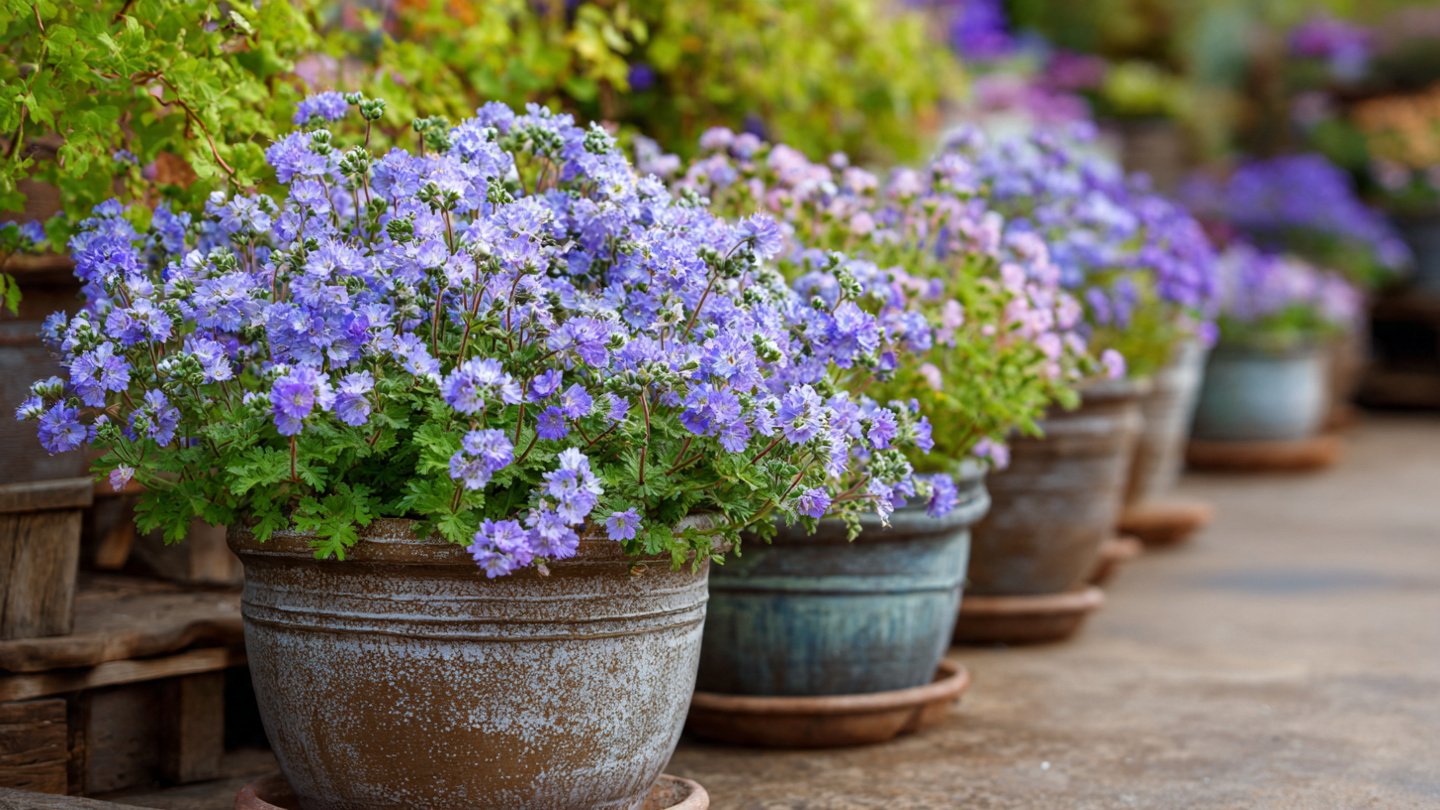
Phacelia, commonly known as bluebell or purple tansy, is a stunning flowering plant that can bring vibrant color to any garden or patio. Its delicate purple flowers not only add beauty but also attract beneficial insects, such as bees and butterflies, making it a fantastic choice for eco-friendly gardeners. If you’re looking to grow phacelia in pots, you’re in luck! This ultimate guide will walk you through the entire process, ensuring your container gardening experience is both easy and rewarding.
1. Understanding Phacelia
1.1. What is Phacelia?
Phacelia is a genus of flowering plants in the Boraginaceae family. The most commonly grown species for ornamental gardening is Phacelia tanacetifolia, which is often prized for its lush foliage and vibrant, bell-shaped flowers.
1.2. Why Grow Phacelia?
- Aesthetic Appeal: With its lovely blue-violet flowers, phacelia adds visual interest to any pot or garden.
- Ecosystem Benefits: Phacelia is a fantastic pollinator plant, drawing in essential pollinators and contributing to a healthy garden ecosystem.
- Easy to Grow: This plant is relatively low-maintenance, making it ideal for beginners.
2. Choosing the Right Pot
2.1. Pot Size
Selecting the right pot size is crucial for the success of your phacelia plant. A pot with a diameter of at least 10-12 inches is recommended, providing enough space for root growth. Larger pots can support more plants, but be mindful of overcrowding.
2.2. Drainage
Ensure your pot has adequate drainage holes at the bottom. Phacelia does not thrive in waterlogged soil, so good drainage is essential to root health. If your chosen pot doesn’t have drainage holes, consider using a plastic liner or choosing another pot.
2.3. Material
Choose pots made from materials like terracotta, ceramic, or high-quality plastic. Terracotta pots are breathable and allow for moisture regulation, while plastic pots retain moisture but should be monitored closely.
Latest Posts
- A Comprehensive Guide to Successfully Growing Grape Vines in Your Backyard for Beginners and Experts Alike
- Best Tips for Successful Mango Growth in Containers
- Discover the Simple Steps for Successfully Growing Coriander in a Pot
- Discovering the Ultimate Guide to Growing African Violets from Leaf Cuttings
- Simple Techniques for Successfully Growing Seedless Grapes in Home Gardens
- Ultimate Guide to Growing Balsam Plants Naturally for Vibrant Blooms
- Discover the Secrets to Growing Lush Leek Leaves with Simple Hacks for Beginners
- How to Successfully Cultivate Sweet Cherries in the Unique Climate of Canada
- The Ultimate Guide to Successfully Growing Beautiful Succulent Garden Plants at Home
- A Comprehensive Guide to Growing Dhania from Seeds for Beginners

3. Soil Selection
3.1. Soil Type
For optimal growth, use well-draining potting soil. A standard potting mix may be sufficient, but you can enhance drainage by adding perlite or coarse sand.
3.2. Nutrient Requirements
Phacelia doesn’t require overly rich soil, but a balanced fertilizer can promote stronger growth. Look for a slow-release, organic fertilizer to provide essential nutrients.
4. Planting Phacelia
4.1. When to Plant
In most regions, the best time to plant phacelia is in early spring or fall. This timing allows plants to establish themselves before the heat of summer or the cold of winter sets in.
4.2. Starting from Seeds vs. Seedlings
- Seeds: Start seeds indoors 4-6 weeks before the last frost date or sow them directly in pots outdoors after the risk of frost has passed.
- Seedlings: If you prefer a quicker start, you can purchase seedlings from local nurseries.
4.3. Planting Process
- Fill your pot with the chosen soil mix, leaving about an inch of space from the rim.
- If using seeds, scatter them on top of the soil, covering them lightly with a thin layer of soil.
- For seedlings, create a hole in the soil, gently place the seedling, and backfill the soil around its base.
- Water thoroughly but gently to settle the soil.
5. Watering Practices
5.1. Initial Watering
After planting, water your phacelia thoroughly. This helps in establishing a healthy root system.
5.2. Ongoing Watering
- Phacelia prefers consistently moist but not soggy soil.
- Water your plants when the top half-inch of soil feels dry. Use a moisture meter if you’re unsure.
- Be cautious of over-watering, which can lead to root rot.
6. Sunlight Requirements
6.1. Ideal Light Conditions
Phacelia thrives in full sun, requiring at least 6 hours of direct sunlight daily. However, in hotter climates, some afternoon shade can help prevent stress during the peak heat of the day.
6.2. Container Placement
Place pots in a location where they will receive adequate sunlight throughout the day. Monitor the plants and adjust their position if they appear to be getting too much direct sunlight.
7. Fertilizing Phacelia
7.1. Nutrient Schedule
While phacelia doesn’t require heavy feeding, providing a light application of balanced fertilizer every 4-6 weeks can encourage blooming.
7.2. Organic Options
Consider using organic fertilizers, like compost or fish emulsion, to provide nutrients without the risk of chemical build-up.
8. Pruning and Maintenance
8.1. Pinching Back
To encourage bushier growth and increased flowering, pinch back the tips of young phacelia plants. This can be done when the plant reaches about 6 inches in height.
8.2. Deadheading
Removing spent flowers will promote new blooms and prolong the flowering period. Use scissors or your fingers to pinch off faded flowers at their base.
8.3. Pest Management
While phacelia is generally pest-resistant, keep an eye out for aphids or spider mites. If infestations occur, consider using insecticidal soap or neem oil.
9. Harvesting and Enjoying Your Phacelia
9.1. Cutting Flowers
Phacelia flowers are great for cut arrangements. Harvest stems in the morning for the best longevity, and place them in water immediately.
9.2. Attracting Pollinators
The blooms of phacelia are known to attract bees and butterflies. Consider planting them near vegetable or fruit crops to enhance pollination.
9.3. Overwintering
If you live in a region with mild winters, phacelia may survive through the winter. However, in colder climates, consider treating it as an annual. You can also save seeds for planting in the next growing season.
10. Troubleshooting Common Issues
10.1. Yellowing Leaves
This may indicate overwatering, nutrient deficiency, or pest issues. Check the soil moisture and ensure proper drainage.
10.2. Poor Growth
If your phacelia appears weak or leggy, it may not be receiving enough light. Move the pots to a sunnier location.
10.3. Wilting or Browning Leaves
This could be a sign of underwatering or stress from excessive heat. Adjust your watering schedule accordingly.
11. Conclusion
Growing phacelia in pots is an accessible and enjoyable endeavor, allowing anyone—from seasoned gardeners to beginners—to experience the joy of container gardening. With its dazzling blooms and ability to attract beneficial pollinators, phacelia can elevate your gardening experience while providing a beautiful focal point for your outdoor space.
Bonus Tips
- Companion Planting: Consider pairing phacelia with other flowers or herbs that have similar light and water requirements for a visually appealing container garden.
- Seed Saving: If you enjoyed growing phacelia, save seeds from mature plants for next year’s planting.
- Celebrate Beauty: Design your pots creatively; combine phacelia with contrasting colors or textures for a stunning display.
By following this guide, you can cultivate a thriving phacelia container garden that beautifies your space while benefiting the environment. Happy gardening!