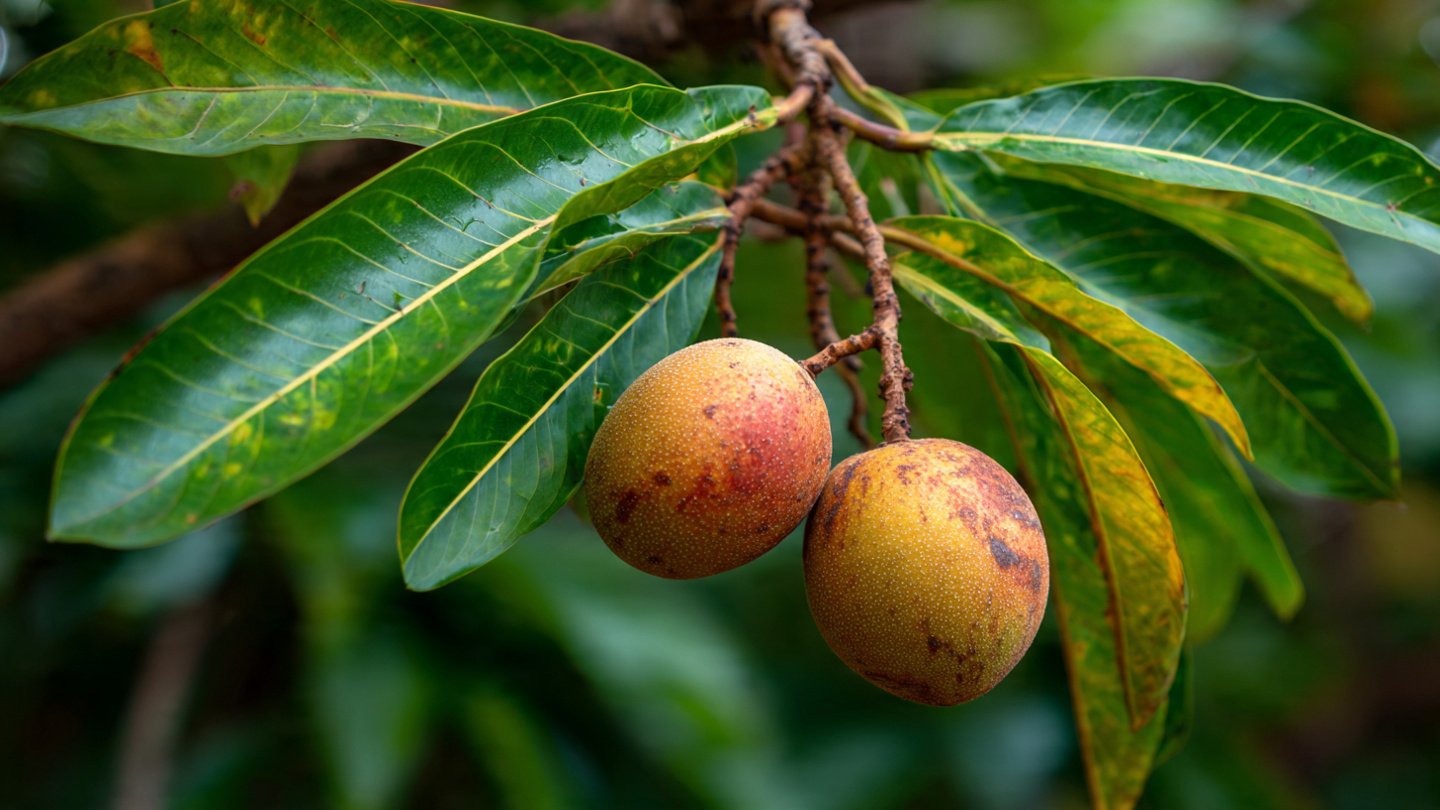
Chikoo, also known as sapodilla (Manilkara zapota), is a tropical fruit known for its sweet and malty flavor. Among the various cultivars, dwarf varieties have gained popularity due to their compact size and suitability for small gardens, urban areas, and even container gardening. This article aims to provide you with essential tips on how to care for dwarf chikoo varieties to ensure healthy growth and bountiful yields.
Understanding Dwarf Chikoo Varieties
Before diving into care guidelines, it’s important to familiarize yourself with what makes dwarf chikoo varieties unique. Generally, these plants reach a height of 5 to 10 feet, making them easy to manage and harvest. Unlike standard varieties that can grow significantly taller and require more space, dwarf varieties can thrive in limited spaces, and they are perfect for patios or small gardens.
Latest Posts
- A Comprehensive Guide to Successfully Growing Grape Vines in Your Backyard for Beginners and Experts Alike
- Best Tips for Successful Mango Growth in Containers
- Discover the Simple Steps for Successfully Growing Coriander in a Pot
- Discovering the Ultimate Guide to Growing African Violets from Leaf Cuttings
- Simple Techniques for Successfully Growing Seedless Grapes in Home Gardens
- Ultimate Guide to Growing Balsam Plants Naturally for Vibrant Blooms
- Discover the Secrets to Growing Lush Leek Leaves with Simple Hacks for Beginners
- How to Successfully Cultivate Sweet Cherries in the Unique Climate of Canada
- The Ultimate Guide to Successfully Growing Beautiful Succulent Garden Plants at Home
- A Comprehensive Guide to Growing Dhania from Seeds for Beginners
Benefits of Growing Dwarf Chikoo
- Space Efficient: Their compact size makes them suitable for small gardens.
- Easier Maintenance: Smaller trees require less pruning and can be managed more easily.
- Quick Harvest: Dwarf varieties usually bear fruit sooner than their larger counterparts.
- Versatile Planting: They can be grown in pots, making them ideal for urban gardeners.
Essential Care Tips
1. Planting Location
Choosing the right location is the first step in ensuring healthy growth. Dwarf chikoo trees thrive in full sunlight, so select a spot that receives at least 6 to 8 hours of sunlight daily. The site should have well-draining soil rich in organic matter. Avoid areas prone to water accumulation, as soggy soil can lead to root rot.

2. Soil Requirements
Dwarf chikoo trees prefer sandy loam soil with a slightly acidic to neutral pH (around 6.0 to 7.0). To improve soil quality, consider the following steps:
- Soil Amendment: Adding compost or well-rotted manure can enhance soil fertility.
- pH Testing: Regularly test the soil pH to ensure it remains within the optimal range.
- Drainage: If planting in heavy clay soils, consider creating raised beds or planting in containers for better drainage.
3. Watering
Proper watering is crucial for the health of your chikoo tree. The watering requirements vary with the season:
- Establishment Phase: Water newly planted trees deeply once or twice a week until they establish roots.
- Mature Trees: Once established, water the tree every 2-3 weeks, allowing the soil to dry out between watering sessions. Overwatering can be detrimental.
4. Fertilization
Dwarf chikoo trees benefit from regular fertilization, especially during the growing season. Here are some tips for fertilization:
- Type of Fertilizer: Use a balanced fertilizer with a ratio of 10-10-10 or similar.
- Frequency: Fertilize every 6-8 weeks during spring and summer.
- Application: Apply the fertilizer around the base, ensuring it does not touch the tree’s trunk, and water it in well.
5. Pruning
Pruning is essential for maintaining the shape and size of dwarf chikoo trees while encouraging air circulation.
- When to Prune: The best time to prune is during the late winter or early spring before new growth begins.
- What to Prune: Remove dead, damaged, or crowded branches. You can also pinch back the growing tips to encourage bushier growth.
- Tools: Use sharp, clean pruning shears to avoid damaging the tree.
6. Pest and Disease Management
Like all plants, dwarf chikoo varieties are susceptible to pests and diseases. Here are some common problems and preventive measures:
-
Common Pests:
- Aphids: They can be controlled with insecticidal soap or neem oil.
- Fruit Flies: Use traps or spray with organic methods if needed.
-
Diseases:
- Root Rot: Ensure proper drainage and avoid overwatering.
- Fungal Diseases: Apply fungicides if fungal infections develop, especially in humid conditions.
7. Temperature and Climate
Dwarf chikoo trees thrive in warm climates. They prefer temperatures between 20°C to 35°C (68°F to 95°F).
- Frost Protection: In cooler areas, consider planting them in pots that can be moved indoors during frost or covering them with blankets when a frost warning is issued.
- Humidity: These trees enjoy high humidity, so consider misting them when growing in drier climates.
8. Pollination

Most dwarf chikoo varieties are self-pollinating, which means they don’t require another tree to produce fruit. However, planting multiple trees can increase fruit yield due to enhanced cross-pollination.
9. Harvesting
Chikoo fruits take about 5 to 7 months to mature once the tree flowers. Here are some tips for harvesting:
- Ripeness: The fruits are ripe when they turn brown and feel soft to the touch; they should not be overly mushy.
- Harvesting Technique: Use scissors or pruning shears to avoid damaging the tree during harvest.
10. Container Gardening
If space is limited, consider growing dwarf chikoo in containers. Use pots with drainage holes and a suitable potting mix.
- Container Size: Choose a container that is at least 12-18 inches deep and wide to accommodate root growth.
- Mobility: Containers can be moved to optimize sunlight exposure or to protect from cold weather.
Additional Care Tips
1. Mulching
Apply organic mulch around the base of the tree to retain soil moisture, suppress weeds, and regulate soil temperature.
2. Seasonal Care
Monitor your tree year-round. In winter, reduce watering and fertilization, while in spring and summer, focus on nurturing growth.
3. Observation
Regularly check for signs of nutrient deficiencies, pests, or diseases. Early detection is vital for effective management.
4. Community Support and Resources
Join local gardening clubs or online forums focused on fruit gardening. Engaging with other growers can provide valuable insights and tips specific to your region.
Conclusion
Caring for dwarf chikoo varieties presents an enjoyable challenge that can yield delicious rewards. By following these essential tips for planting, watering, fertilization, pruning, and pest management, you can cultivate a vibrant and fruitful chikoo tree. The satisfaction derived from nurturing your plant and ultimately enjoying its delightful fruit makes the effort worthwhile. With proper care, your dwarf chikoo tree will not only beautify your space but also enhance your culinary experiences with its sweet, malty goodness. Enjoy your gardening journey and the delicious fruits that await!