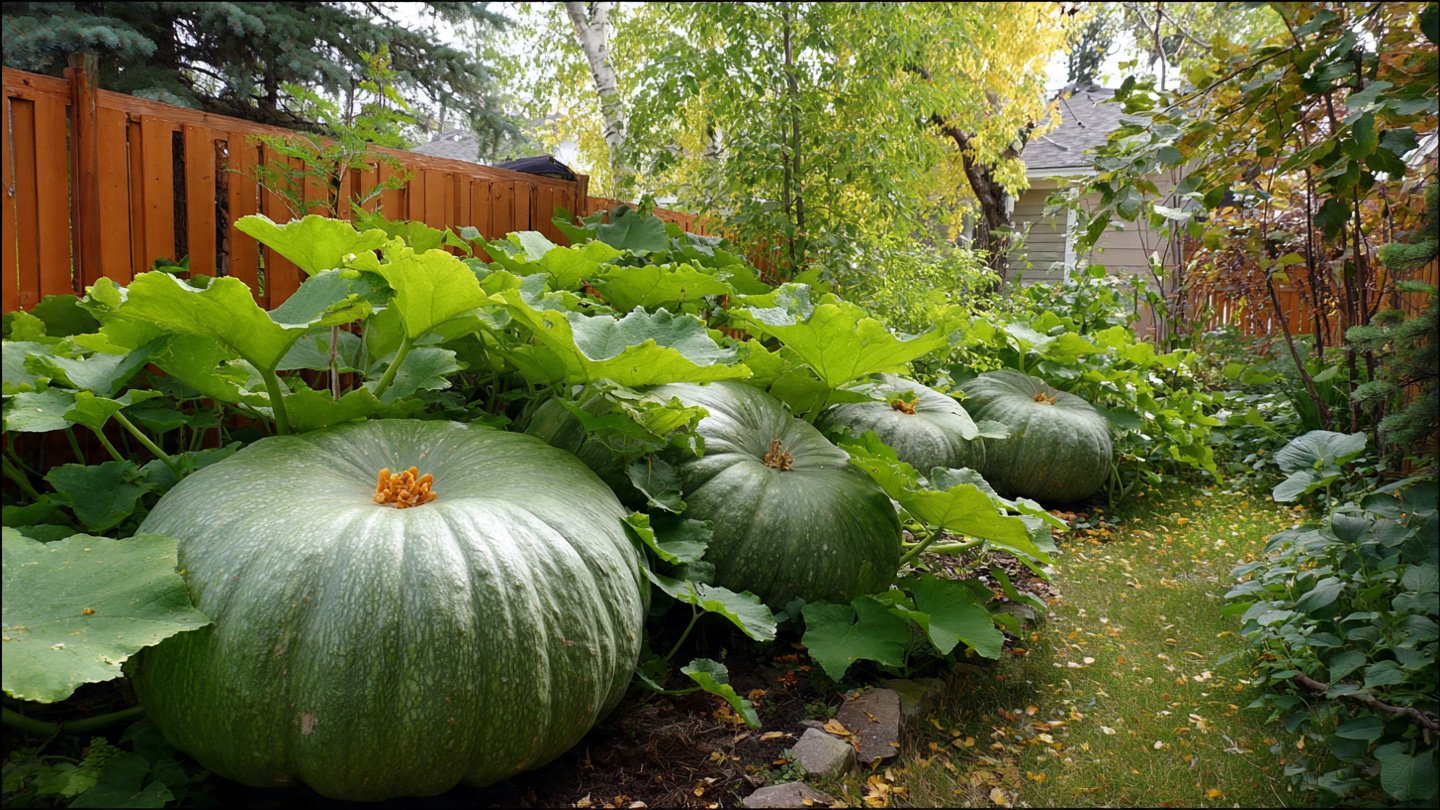
Growing giant pumpkins is a rewarding endeavor that can turn your backyard into a vibrant spectacle come harvest time. With some clever strategies and a bit of dedication, you can successfully cultivate these impressive gourd varieties without needing elaborate tools or equipment. This article will guide you through simple techniques, tips, and hacks for growing giant pumpkins in your backyard.
1. Choosing the Right Seeds
Selecting the right pumpkin seeds is the first step to growing giants. While many pumpkin varieties exist, some inherently grow larger than others.
Latest Posts
- A Comprehensive Guide to Successfully Growing Grape Vines in Your Backyard for Beginners and Experts Alike
- Best Tips for Successful Mango Growth in Containers
- Discover the Simple Steps for Successfully Growing Coriander in a Pot
- Discovering the Ultimate Guide to Growing African Violets from Leaf Cuttings
- Simple Techniques for Successfully Growing Seedless Grapes in Home Gardens
- Ultimate Guide to Growing Balsam Plants Naturally for Vibrant Blooms
- Discover the Secrets to Growing Lush Leek Leaves with Simple Hacks for Beginners
- How to Successfully Cultivate Sweet Cherries in the Unique Climate of Canada
- The Ultimate Guide to Successfully Growing Beautiful Succulent Garden Plants at Home
- A Comprehensive Guide to Growing Dhania from Seeds for Beginners
Recommended Varieties:
- Atlantic Giant: This is the most popular variety for growing large pumpkins, capable of reaching weights over 1,000 pounds.
- Big Max: Known for its enormous size and bright orange hue, this variety is easier to grow compared to others.
- Prizewinner: This variety matures quickly and is another exceptional choice for large pumpkins.
Where to Buy:
You can find seeds at local gardening stores, or even buy them online. Look for reputable dealers for quality seeds that have good germination rates.
2. Soil Preparation
Pumpkins thrive in well-drained, loamy soil that’s rich in organic material. Here’s how to prepare your soil without special equipment:
Testing Soil pH:
Use a simple home soil test kit to determine your soil’s pH level. Pumpkins prefer a slightly acidic to neutral pH of 6.0 to 7.0.

Improving Soil Quality:
- Compost: Mix in well-rotted compost to enrich your soil. You can make your own by stacking kitchen scraps and lawn clippings in a pile, letting it decompose over time.
- Organic Fertilizer: Amber or bone meal works well. Sprinkle a balanced fertilizer rich in potassium and phosphorus, which promotes flowering and fruit development.
- Mulching: After planting, apply a layer of organic mulch to retain moisture and suppress weeds.
3. Choosing the Right Location
Location matters significantly when it comes to growing giant pumpkins. Select an area with:
- Full Sunlight: Pumpkins need at least 6-8 hours of sunlight daily.
- Space: Adequate room to spread out. Giant pumpkins require plenty of space; vines can extend 20 feet or more.
- Protection from Wind: If needed, consider windbreaks like a fence or tall shrubs.
4. Planting Your Seeds
Once your soil is ready and you’ve chosen the right location, it’s time to plant.
Planting Technique:
- Spacing: Plant seeds at least 4-6 feet apart to allow room for growth.
- Depth: Sow seeds about 1-2 inches deep.
- Watering: Water the seeds thoroughly after planting to help settle the soil.
5. Watering Wisely
Pumpkin plants require significant amounts of water, especially during their growth phase. Here’s how to optimize your watering routine:
Watering Tips:
- Consistency: Water deeply once a week rather than shallowly every day. This encourages deeper root growth.
- Morning Watering: Watering in the morning helps reduce evaporation and ensures the plants are hydrated for the day’s heat.
- Stay Away from Foliage: Aim to water at the base of the plant to prevent fungal diseases.
6. Fertilization
Regular fertilization is crucial to achieve maximum growth potential for your pumpkins.
Sample Fertilization Schedule:
- Early Growth: Use a high nitrogen fertilizer (like 10-10-10) every 3-4 weeks.
- Mid-Season: Switch to a fertilizer higher in phosphorus and potassium to support flowering and fruit set (like 5-10-10).
7. Pruning & Training Vines
Managing the growth of your pumpkin plant can significantly impact the size of the fruit.
Pruning Techniques:
- Main Vine Focus: Allow the main vine to grow while cutting off secondary vines. This directs energy towards pumpkin formation.
- Leave Only One Pumpkin: On the main vine, once a pumpkin reaches the size of a softball, remove other developing fruit to enhance the growth of the largest one.
8. Pest and Disease Control
Pumpkins can attract various pests and diseases that can hinder growth. Here are some low-tech strategies to keep your plants healthy:
Natural Pest Control:
- Companion Planting: Plant marigolds or nasturtiums nearby to deter pests.
- Insect Traps: Use yellow sticky traps to capture flying pests like aphids.
Disease Prevention:
- Air Circulation: Ensure proper spacing between plants. Good air circulation reduces fungal diseases.
- Healthy Practices: Avoid overhead watering and ensure plants are not congested.
9. Supporting the Fruit
As your pumpkin begins to grow, providing support is crucial.

Support Techniques:
- Cushions: Place straw or cardboard under the pumpkin to protect it from soil rot.
- Lifting the Pumpkin: If necessary, construct a simple sling from old rags or netting to support heavily weighted fruits from underneath.
10. Harvesting Time
Harvesting is an exciting time, and knowing when to pick your giant pumpkin is essential for the best results.
Signs of Maturity:
- Color: Ensure the pumpkin has reached a rich, deep color.
- Stem Condition: The stem should be turning dry and brown.
- Sound Test: Knock on the pumpkin. A solid “thud” indicates maturity, while a hollow sound suggests it might still need time.
Harvesting Technique:
Use a sharp knife or garden shears to cut the stem, leaving a few inches attached to the pumpkin. Be careful not to damage the fruit during this process.
Conclusion
Growing giant pumpkins at home is both a thrilling and fulfilling experience. By following these easy hacks and ensuring proper care, you can enjoy the fruits of your labor and perhaps even compete in local pumpkin festivals. With dedication and the right approach, your backyard can be a haven for some spectacular pumpkin giants!
FAQs

1. How long does it take for a giant pumpkin to grow?
Giant pumpkins typically take about 90-120 days to reach full maturity, depending on the variety and growing conditions.
2. Do I need to use any special soil for giant pumpkins?
No special soil is necessary, but make sure it is well-drained and rich in organic matter for optimal growth.
3. How much water do giant pumpkins need?
Giant pumpkins need about 1-2 inches of water per week, depending on the weather conditions.
4. Can I grow giant pumpkins in pots?
While it’s possible, giant pumpkins perform best in the ground, where they have enough space for their roots and vines to expand.
5. How can I prevent pests without using chemicals?
Companion planting, natural predators, and physical barriers (like nets) can help keep pests at bay without chemicals.
With these easy hacks, you’re now equipped to embark on your giant pumpkin journey. Enjoy the process and have fun gardening!