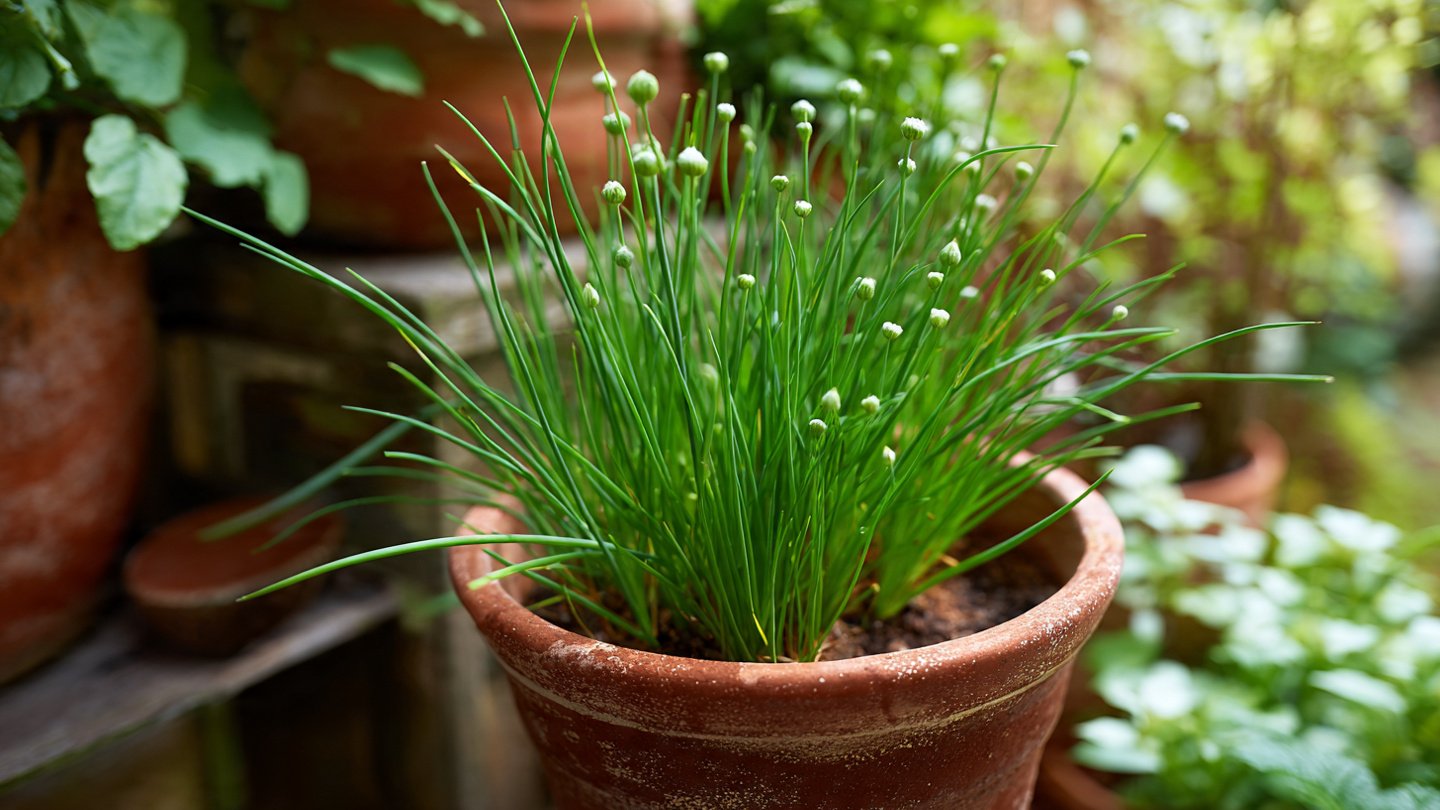
Discovering the Best Way to Grow Garlic Chives in a Pot
Garlic chives, also known as Allium tuberosum, are an aromatic herb that adds a delicious garlicky flavor to various dishes. With their flat, green leaves and beautiful white flowers, they make a great addition to any garden or kitchen pot. Growing garlic chives in a pot is convenient and rewarding, as they thrive in confined spaces and require relatively low maintenance. In this article, we will explore the best ways to grow garlic chives in a pot, covering everything from selecting the right pot and soil to caring for your plants and harvesting the leaves.
Why Grow Garlic Chives in a Pot?
- A Comprehensive Guide to Successfully Growing Grape Vines in Your Backyard for Beginners and Experts Alike
- Best Tips for Successful Mango Growth in Containers
- Discover the Simple Steps for Successfully Growing Coriander in a Pot
- Discovering the Ultimate Guide to Growing African Violets from Leaf Cuttings
- Simple Techniques for Successfully Growing Seedless Grapes in Home Gardens
- Ultimate Guide to Growing Balsam Plants Naturally for Vibrant Blooms
- Discover the Secrets to Growing Lush Leek Leaves with Simple Hacks for Beginners
- How to Successfully Cultivate Sweet Cherries in the Unique Climate of Canada
- The Ultimate Guide to Successfully Growing Beautiful Succulent Garden Plants at Home
- A Comprehensive Guide to Growing Dhania from Seeds for Beginners
-
Space-Saving: Garlic chives are ideal for those with limited garden space. Their compact growth makes them perfect for patios, balconies, or even kitchen windowsills.
-
Control Over Growing Conditions: When grown in pots, you can easily control the soil quality, moisture levels, and sunlight exposure, creating a more suitable environment for optimal growth.
-
Accessibility: Having garlic chives in a pot means they’re within easy reach for culinary use. You can snip fresh herbs right when you need them.
-
Aesthetic Appeal: Besides being edible, garlic chives produce beautiful white flowers that can enhance the visual appeal of your space.
Latest Posts
Selecting the Right Pot
When growing garlic chives in a pot, the choice of container is crucial. Here are some factors to consider:
-
Size: Choose a pot that is at least 6–8 inches deep and 12 inches wide. Garlic chives have a shallow root system, so a wider pot is ideal as it allows for more plants to grow together.
-
Material: Options include plastic, ceramic, or terracotta. Plastic pots are lightweight and retain moisture well, while terracotta pots are porous and allow for better drainage. Choose a material based on your aesthetic preference and maintenance ease.
-
Drainage: Ensure the pot has adequate drainage holes at the bottom to prevent waterlogging, which can lead to root rot. If using a pot without drainage holes, take extra care not to overwater.

Soil Requirements
The right soil is essential for the healthy growth of garlic chives. Here’s how to choose the best soil:
-
Well-Draining Mix: Use a high-quality potting mix with good drainage capabilities. Look for a mix that includes perlite or vermiculite to enhance aeration and drainage.
-
Nutrient-Rich: Garlic chives benefit from nutrient-rich soil. You can enrich your potting mix by adding compost or well-rotted manure. This will ensure your chives have enough nutrients for optimal growth.
-
pH Level: Garlic chives prefer a slightly acidic to neutral pH range of 6.0 to 7.0. You can test your soil pH using home test kits available at garden centers.
Planting Garlic Chives
Now that you have your pot and soil ready, it’s time to plant your garlic chives. Here’s how:
-
Seeds or Transplants: You can start garlic chives from seeds or obtain young plants from a nursery. Starting from seeds allows for a wider variety of chive types, while transplants give you a head start.
-
Sowing Seeds: If using seeds, plant them about 1/4 inch deep, spacing them 2–3 inches apart. Water the soil gently after planting to ensure it’s evenly moist.
-
Transplanting: If you have young garlic chive plants, simply remove them from their container, gently loosen the roots, and place them in the pot, ensuring they are planted at the same depth as they were in the original container.
-
Watering: Water the chives thoroughly after planting. Make sure to keep the soil consistently moist but not soggy. Using a spray bottle can help avoid compelling water in one spot, which could lead to overwatering.
Essential Growing Conditions
For garlic chives to thrive, they need the right growing conditions:
-
Light: Garlic chives flourish in full sun or partial shade. Ideally, they should receive 4–6 hours of sunlight daily. If your pot is on a balcony or patio, be aware of any shading from nearby structures.
-
Temperature: Garlic chives grow best in cooler temperatures, between 60°F and 75°F (15°C to 24°C). While they can tolerate light frost, they may die back in extreme cold.
-
Watering: The key to growing garlic chives in a pot is maintaining consistent moisture without overwatering. Water when the top inch of soil feels dry to the touch.
-
Humidity: Garlic chives appreciate humidity, so if you’re in a dry climate, consider misting the plants occasionally or placing a tray of water near the pot to increase moisture.
Fertilizing Garlic Chives
Garlic chives benefit from regular feeding, especially in potting conditions. Here’s a guide to fertilization:
-
Type of Fertilizer: Use a balanced, water-soluble fertilizer with an equal ratio of nitrogen, phosphorus, and potassium (e.g., 10-10-10).
-
Frequency: Fertilize garlic chives every 4–6 weeks during the growing season (spring and summer). Reduce feeding in the fall and winter months when growth slows down.
-
Application: Dilute the fertilizer according to the package instructions and apply it while watering. Avoid getting fertilizer on the leaves to prevent burns.
Pruning and Maintaining Garlic Chives
Proper maintenance ensures healthy growth and production of garlic chives. Here are some tips:
-
Regular Harvesting: You can start harvesting leaves when they reach about 6 inches in height. Cut the leaves down to about 2 inches above the soil line to encourage new growth. Avoid cutting more than one-third of the plant at a time.
-
Deadheading Flowers: If you prefer the plant to focus on leaf growth rather than flowering, regularly snip off flower stalks before they bloom. However, allow some to bloom if you want to attract pollinators.
-
Winter Care: In hardiness zones where garlic chives may face harsh winters, bring the pot indoors or move it to a protective area during cold months. If left outside, cover the pot with mulch to protect the roots.
Common Pests and Diseases
Although garlic chives are relatively pest-resistant, it’s essential to monitor for common issues:
-
Aphids: These small pests can appear on the leaves. Remove them by spraying the affected area with a strong stream of water or using insecticidal soap.
-
Fungal Issues: Overwatering can lead to root rot and fungal diseases. Ensure proper drainage and avoid overly wet conditions.
-
Onion Maggots: These pests can affect chive roots. To minimize risk, rotate your plants and avoid planting garlic chives where other Allium species have recently grown.

Harvesting and Using Garlic Chives
Garlic chives are versatile in the kitchen. Here’s how to maximize your harvest:
-
Timing: Harvest leaves when they are young and tender, typically in late spring and early summer. The leaves are most flavorful at this stage.
-
Storage: Fresh garlic chives can be stored in the refrigerator wrapped in a damp paper towel and placed in a plastic bag for up to a week. You can also chop and freeze them for longer storage.
-
Culinary Uses: Use garlic chives in salads, soups, and stir-fries, or as a garnish for various dishes. They add a delicious garlicky flavor without the pungency of raw garlic.
Conclusion
Growing garlic chives in a pot is an accessible and rewarding endeavor that provides both culinary enjoyment and aesthetic beauty to any space. By selecting the right pot, soil, and conditions, along with regular care and maintenance, you can ensure a thriving crop of this versatile herb. Not only are garlic chives easy to grow, but they also offer myriad uses in the kitchen. So, why not begin your journey into growing garlic chives today? With a little attention and care, you’ll be rewarded with fresh, flavorful chives that elevate your culinary creations. Happy gardening!