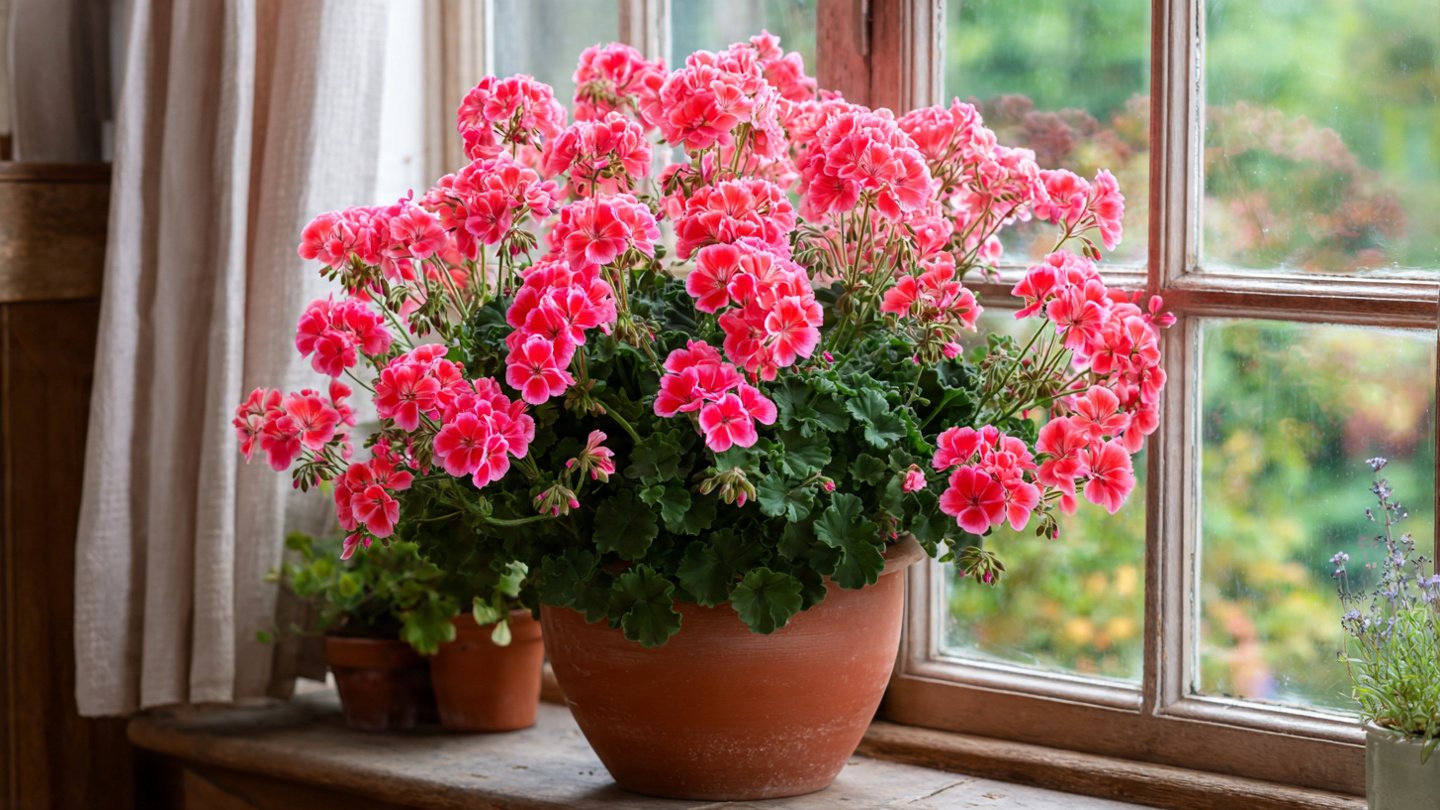
Growing Pelargonium, commonly known as geraniums, can be a rewarding experience, particularly when cultivated in pots. These beautiful flowering plants are cherished for their vibrant blossoms, hardiness, and versatility, making them ideal candidates for both indoor and outdoor spaces. With a little knowledge and care, anyone can enjoy colorful blooms year-round. This guide will walk you through the essentials of growing Pelargonium in pots, from selection and potting to care and troubleshooting.
Understanding Pelargonium
Pelargonium belongs to the geranium family, though it is often mistakenly referred to as geraniums. Native to South Africa, these plants come in various species and hybrids, showcasing an extensive palette of colors and forms. With varieties like zonal, ivy-leaved, and scented Pelargoniums, gardeners can choose according to their taste and growing conditions.
Why Grow Pelargonium in Pots?
- Space Saving: Ideal for small gardens or balconies.
- Mobility: Easily moved indoors or to different spots based on weather conditions.
- Controlled Environment: Potted plants often do better in terms of disease management and moisture control.
- Aesthetic Appeal: Perfect for enhancing the decor of patios, porches, and even interior spaces.
Selecting the Right Pot
Size Matters
The size of the pot is crucial for the growth of Pelargonium. Choose pots that are at least 6 to 12 inches in diameter for standard varieties. Adequate room for root expansion is essential for healthy growth.
Material Choices
- Terracotta: Good for oxygen exchange but can dry out quickly.
- Plastic: Retains moisture well but requires adequate drainage.
- Ceramic: Offers aesthetic appeal and durability.
Drainage is Key
Always opt for pots with drainage holes to prevent waterlogging. Ensuring proper drainage is vital to avoid root rot, a common issue with Pelargonium.
Soil Preparation
Ideal Soil Mix
Pelargoniums require well-draining soil. A mixture of potting soil, perlite, and sand (in a 2:1:1 ratio) is ideal for promoting drainage and aeration.
Latest Posts
- A Comprehensive Guide to Successfully Growing Grape Vines in Your Backyard for Beginners and Experts Alike
- Best Tips for Successful Mango Growth in Containers
- Discover the Simple Steps for Successfully Growing Coriander in a Pot
- Discovering the Ultimate Guide to Growing African Violets from Leaf Cuttings
- Simple Techniques for Successfully Growing Seedless Grapes in Home Gardens
- Ultimate Guide to Growing Balsam Plants Naturally for Vibrant Blooms
- Discover the Secrets to Growing Lush Leek Leaves with Simple Hacks for Beginners
- How to Successfully Cultivate Sweet Cherries in the Unique Climate of Canada
- The Ultimate Guide to Successfully Growing Beautiful Succulent Garden Plants at Home
- A Comprehensive Guide to Growing Dhania from Seeds for Beginners

pH Level
Aim for a slightly acidic to neutral pH level (around 6.0 to 7.0). You can test the pH of your soil with home kits available at gardening stores.
Planting Pelargonium
Propagation Methods
You can grow Pelargonium from seeds, cuttings, or store-bought plants.
From Seeds
- Sow Seeds: Start seeds indoors 8-10 weeks before the last frost date.
- Light: Place the tray in a bright spot but avoid direct sunlight initially.
- Moisture: Keep the soil moderately moist but not soggy.
From Cuttings
- Select Healthy Stems: Choose stems that are about 4-6 inches long.
- Cut and Prepare: Remove leaves from the bottom and let them dry for a few hours.
- Planting: Stick the cuttings in moist potting mix and cover them lightly with plastic to maintain humidity.
Transplanting
If you start your Pelargonium in smaller pots, transplant them into larger pots once they establish roots and outgrow their initial containers. It’s best to do this in the spring.
Care and Maintenance
Watering
Pelargonium prefers slightly dry conditions. Water when the top inch of soil feels dry. Over-watering can lead to root rot.
Fertilization
During the growing season (spring and summer), feed your Pelargonium every 4-6 weeks with a balanced fertilizer (20-20-20) diluted to half strength. This enhances blooming and overall plant health.
Sunlight
These plants thrive in bright, indirect sunlight. Aim for 6 hours of light daily, adjusting to ensure they are not scorched by intense afternoon sun.
Pruning
Regular pruning encourages bushier growth and flowering. Pinch back spent blooms and trim leggy stems to maintain shape. Aim to prune at least once a month.
Pests and Diseases
Pelargoniums are relatively pest-resistant, but they can encounter:
- Aphids: Treat with insecticidal soap.
- Spider Mites: Increase humidity and wipe plants with a damp cloth.
- Fungal Diseases: Ensure proper air circulation and avoid overhead watering.
Seasonal Care
Spring and Summer
- Increase Watering: As temperatures rise, check soil moisture regularly.
- Fertilize: Continue feeding every 4-6 weeks.
Fall and Winter
- Reduce Watering: As growth slows down, lessen the frequency of watering.
- Cool Temperatures: If indoors, provide adequate light and avoid placing near heating vents.
Common Issues and Troubleshooting
Yellowing Leaves
This can indicate over-watering or nutrient deficiency. Check the soil moisture and consider fertilizing.
Poor Flowering
Insufficient light, lack of nutrients, or overcrowding can lead to a lack of blooms. Ensure your Pelargonium gets enough sunlight and consider repotting if needed.
Leaf Drop
This can be due to sudden changes in temperature or lighting conditions. Gradually acclimatize your plant to new environments.
Ideal Varieties for Pots
- Zonal Pelargonium: Popular for its vibrant blooms; great for sunny spots.
- Ivy-Leaved Pelargonium: Excellent for hanging baskets due to its trailing habit.
- Scented Pelargonium: Offers fragrant leaves; can be grown for both foliage and flowers.
Conclusion
Growing Pelargonium in pots is a delightful way to enhance spaces with vibrant flowers. By following the guidelines outlined above, you can cultivate healthy plants that provide color and joy throughout the year. Whether you’re an experienced gardener or a novice, Pelargonium makes an excellent addition to any garden or home.
FAQs
1. How often should I water my Pelargonium?
Water your Pelargonium when the top inch of soil feels dry. It’s better to underwater than overwater.
2. Can Pelargonium grow indoors?
Yes, Pelargonium can thrive indoors as long as they receive adequate sunlight (at least 6 hours a day).
3. What should I do if my Pelargonium isn’t blooming?
Ensure they receive sufficient light, nutrients, and are not overcrowded. Consider pruning leggy growth.
4. Is Pelargonium toxic to pets?
Pelargoniums are generally considered non-toxic to pets, but it’s always best to monitor them around plants.

5. How can I propagate Pelargonium?
You can propagate Pelargonium from seeds or cuttings. Cuttings root easily in a moist potting mix.
With some attention to their needs, you’ll enjoy the lush, vibrant blooms that Pelargonium has to offer, making your gardening efforts truly rewarding. Happy gardening!