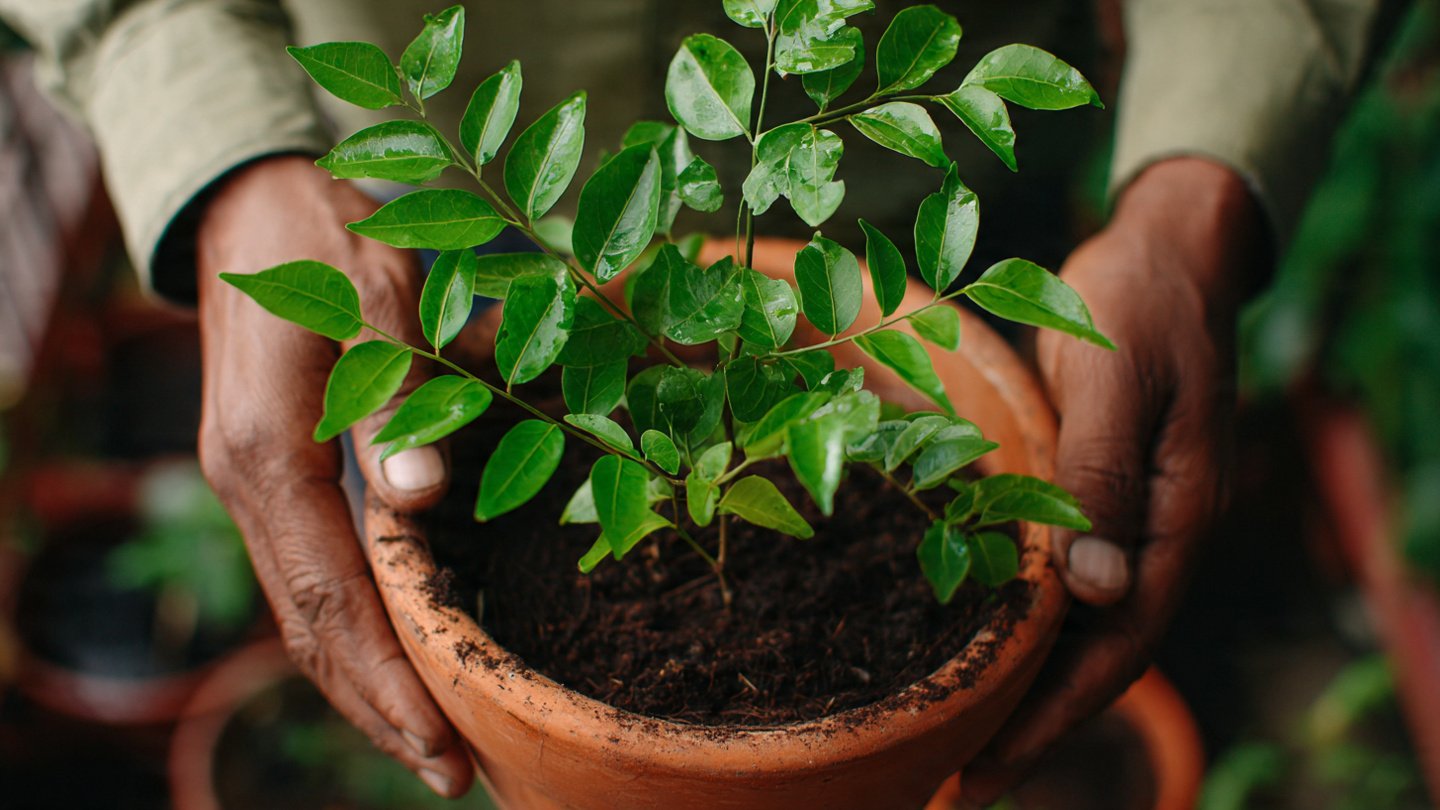
Curry leaves, derived from the Murraya koenigii tree, are a staple in South Asian cuisine, known for their aromatic fragrance and rich flavor. Cultivating curry leaves in a pot can be rewarding, offering both aesthetic enjoyment and culinary versatility. In this ultimate guide, we’ll explore how to grow curry leaves in a pot, maximizing both flavor and yield, along with tips, tricks, and a comprehensive FAQ section.
Understanding Curry Leaves
Before diving into the cultivation process, it’s essential to understand the basics of curry leaves:
Latest Posts
- A Comprehensive Guide to Successfully Growing Grape Vines in Your Backyard for Beginners and Experts Alike
- Best Tips for Successful Mango Growth in Containers
- Discover the Simple Steps for Successfully Growing Coriander in a Pot
- Discovering the Ultimate Guide to Growing African Violets from Leaf Cuttings
- Simple Techniques for Successfully Growing Seedless Grapes in Home Gardens
- Ultimate Guide to Growing Balsam Plants Naturally for Vibrant Blooms
- Discover the Secrets to Growing Lush Leek Leaves with Simple Hacks for Beginners
- How to Successfully Cultivate Sweet Cherries in the Unique Climate of Canada
- The Ultimate Guide to Successfully Growing Beautiful Succulent Garden Plants at Home
- A Comprehensive Guide to Growing Dhania from Seeds for Beginners
- Origin: Native to India, curry leaves are integral to Indian cooking, adding a unique flavor to dishes such as curries, lentils, and chutneys.
- Flavor Profile: They impart a distinct, slightly citrus-like flavor and aroma when cooked, enhancing the overall taste of a dish.
- Nutritional Value: Rich in vitamins A, B, C, and E, curry leaves offer numerous health benefits, including antioxidant properties and digestive aid.
Choosing the Right Pot
Size Matters
The first step to successfully growing curry leaves in a pot is selecting an appropriate container. A pot that is at least 12 to 18 inches in diameter is recommended. This size provides ample space for the roots to grow and allows for good drainage.
Material
Terracotta pots are ideal due to their breathability, but plastic pots can also work if they have sufficient drainage holes. Ensure that the pot you choose allows excess water to escape, preventing root rot.
Soil Selection
Curry leaves thrive in well-draining, nutrient-rich soil. Here’s how to prepare the perfect potting mix:
- Base Mix: Use a high-quality potting soil as the base.
- Aeration: Add perlite or coarse sand to enhance drainage. A ratio of 3:1 – three parts potting soil to one part perlite/sand works well.
- Organic Matter: Incorporate compost or organic matter to enrich the soil, providing essential nutrients for growth.
Propagation Methods

Seeds vs. Cuttings
You can grow curry leaves from seeds or take cuttings from an existing plant.
Growing from Seeds
- Acquire Seeds: Purchase fresh seeds from a reputable supplier.
- Preparation: Soak the seeds in water for 24 hours to enhance germination.
- Sowing: Plant the seeds in a seed-starting mix, about half an inch deep. Maintain a warm environment (above 70°F).
- Watering: Keep the soil moist but not soggy. Germination can take several weeks.
Growing from Cuttings
- Select Cuttings: Take a 6-inch cutting from a healthy curry leaf plant, ensuring it has at least a few leaves.
- Preparation: Remove the lower leaves and dip the cut end in rooting hormone (optional).
- Planting: Place the cutting in a pot with a suitable potting mix and water it gently.
- Environment: Cover the pot with a plastic bag to maintain humidity until roots develop, usually within a few weeks.
Sunlight Requirements
Curry leaves prefer bright, indirect sunlight. Ideally, they need 4 to 6 hours of sunlight daily. If growing indoors, place the pot near a south-facing window or use grow lights. Ensure that the leaves receive enough light to promote robust growth and vibrant flavor.
Watering Guidelines
Frequency
Curry leaves like evenly moist soil, but overwatering can lead to root rot. Depending on your environment, watering frequency may range from once every few days to once a week.
How to Water
- Check the top inch of soil; if it feels dry, it’s time to water.
- Water thoroughly, allowing excess to drain out of the bottom of the pot.
Signs of Overwatering
- Yellowing leaves
- Wilting or drooping
- Foul smell from the soil
Fertilization
To maximize yield and flavor, regular fertilization is essential:
- Type of Fertilizer: Use a balanced, slow-release fertilizer or an organic option like fish emulsion or compost.
- Frequency: Fertilize every 4-6 weeks during the growing season (spring and summer).
- Dilution: When using liquid fertilizers, dilute them to half-strength to avoid burning the roots.
Pruning and Maintenance
Proper Pruning Techniques
- When to Prune: Start pruning once the plant is about 1-2 feet tall, usually in spring.
- How to Prune: Remove dead or yellowing leaves. Trim back about one-third of the plant to encourage bushiness and new growth.
- Harvesting Leaves: Regularly pluck leaves for culinary use, which also encourages the plant to produce more.
Pest Management
Common pests include aphids, spider mites, and mealybugs. Here’s how to manage them:
- Natural Remedies: Introduce beneficial insects like ladybugs or apply neem oil as a natural pesticide.
- Regular Inspection: Keep an eye on your plant for signs of pests and act promptly if you notice any issues.
Dealing with Temperature and Humidity
Ideal Conditions
Curry leaves thrive in warm, humid environments. The ideal temperature range is 70-85°F. Protect your plant from extreme cold, as temperatures below 50°F can cause damage.
Indoor vs. Outdoor
If growing outdoors, consider bringing the pot inside during colder months. If indoors, maintain humidity using a small humidifier or by placing a tray of water near the plant.
Troubleshooting Common Issues
Yellow Leaves
Causes:
- Overwatering
- Nutrient deficiency
Solutions:
- Adjust watering schedule.
- Fertilize if needed.
Stunted Growth
Causes:
- Insufficient sunlight
- Root bound

Solutions:
- Ensure the plant gets enough light.
- Repot into a larger container if roots occupy the entire pot.
Harvesting the Leaves
Curry leaves can be harvested once the plant has grown sufficiently, typically a few months after planting. Here’s the best method:
- Use scissors or your fingers to gently pluck leaves, avoiding excessive damage to the stems.
- Harvest regularly to encourage even more growth.
Storing Curry Leaves
Fresh curry leaves can wilt quickly. Here are some storage tips:
- Refrigeration: Store in a paper bag in the fridge for up to a week.
- Freezing: Wash, dry, and place leaves in a freezer bag. They can be frozen for several months without losing flavor.
- Drying: Dry leaves in a dehydrator or in the sun to create dried curry leaves, although this will alter their flavor.
Conclusion
Growing curry leaves in a pot is not only a rewarding endeavor but also a culinary asset to have on hand for delicious dishes. With the right care, you can enjoy vibrant flavors and an abundant supply. Whether you are a novice gardener or have experience, following the tips in this guide will help you cultivate a thriving curry leaf plant.
FAQs
1. How long does it take for curry leaves to grow?
Curry leaves grown from seeds can take 3-4 weeks to germinate and several months to reach a usable size. Cuttings may root in 2-3 weeks.

2. Can curry leaves be grown indoors?
Yes, curry leaves can thrive indoors as long as they receive adequate sunlight (4-6 hours) and consistent care.
3. What is the best time to prune curry leaf plants?
Pruning is best done in early spring to encourage new, bushy growth as the plant enters its growing season.
4. Why are my curry leaves turning brown?
Browning can be a sign of underwatering, overwatering, or exposure to cold temperatures. Check for these conditions and adjust as needed.
5. Can curry leaves survive winter?
Curry trees are sensitive to frost. If grown outdoors in colder climates, bring the pot inside during winter or cover it to protect from the cold.
6. How often should I fertilize my curry leaf plant?
Fertilize once every 4-6 weeks during the growing season with a balanced, slow-release fertilizer.
7. Are there any pests that commonly affect curry leaves?
Yes, pests like aphids, spider mites, and mealybugs can affect curry leaf plants. Regular inspection and organic pest control methods can help manage them.
8. Can I use curry leaves fresh or dried in cooking?
Both fresh and dried curry leaves can be used in cooking, though they offer different flavor profiles. Fresh ones are more aromatic and preferred for most dishes.
By following this guide, you can successfully grow and enjoy curry leaves in a pot, elevating your culinary creations with their delightful flavor. Happy gardening!