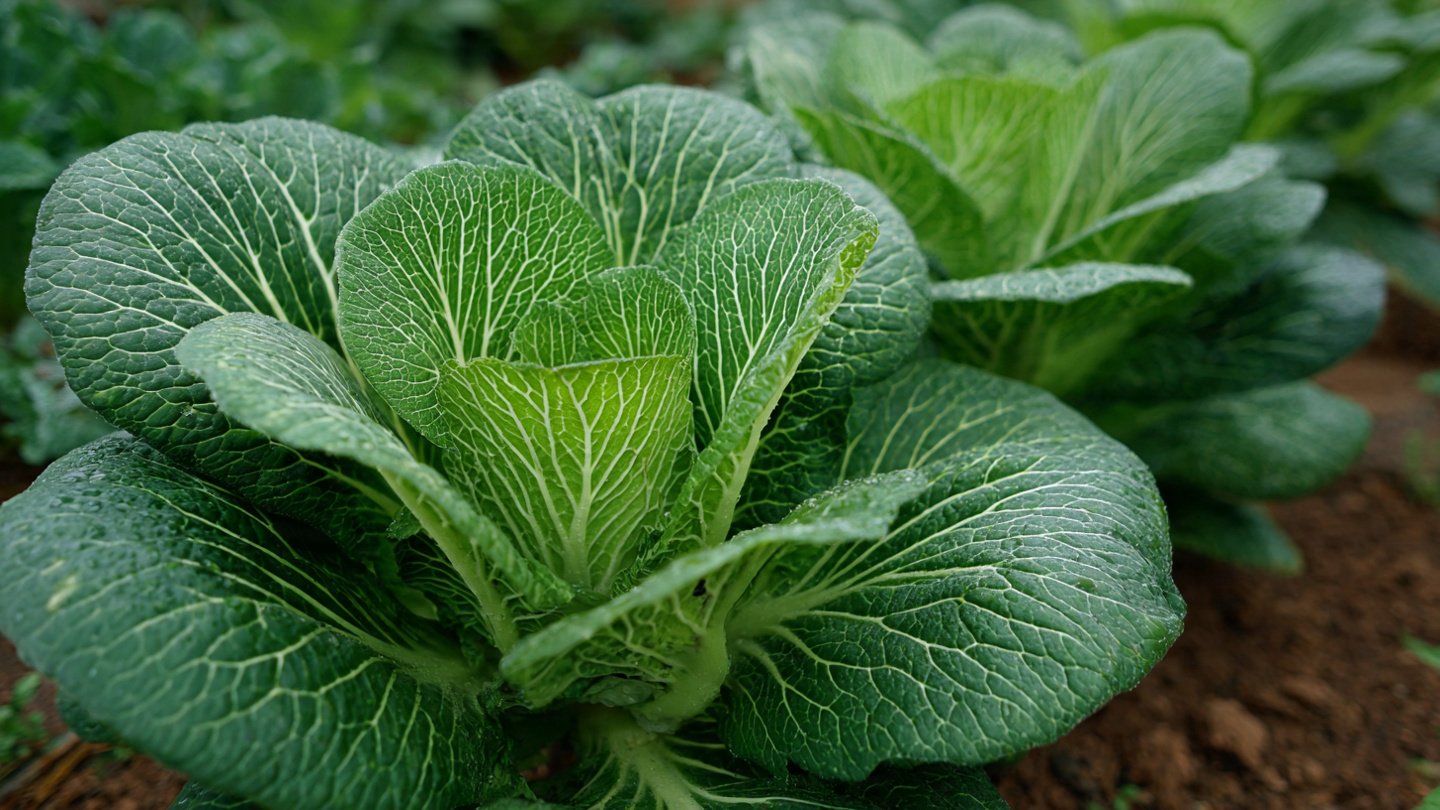
Chinese cabbage, often referred to as Napa cabbage or Bok Choy, is a delicious and nutritious leafy green that can enhance your culinary creations. Rich in vitamins A and C, along with various minerals, these greens are not only good for your health but also easy to grow in your home garden. This guide will delve into the essentials of cultivating Chinese cabbage, including its varieties, planting techniques, care tips, and harvesting methods.
Understanding Chinese Cabbage Varieties
Before diving into cultivation techniques, it’s essential to know the different types of Chinese cabbage available:
Latest Posts
- A Comprehensive Guide to Successfully Growing Grape Vines in Your Backyard for Beginners and Experts Alike
- Best Tips for Successful Mango Growth in Containers
- Discover the Simple Steps for Successfully Growing Coriander in a Pot
- Discovering the Ultimate Guide to Growing African Violets from Leaf Cuttings
- Simple Techniques for Successfully Growing Seedless Grapes in Home Gardens
- Ultimate Guide to Growing Balsam Plants Naturally for Vibrant Blooms
- Discover the Secrets to Growing Lush Leek Leaves with Simple Hacks for Beginners
- How to Successfully Cultivate Sweet Cherries in the Unique Climate of Canada
- The Ultimate Guide to Successfully Growing Beautiful Succulent Garden Plants at Home
- A Comprehensive Guide to Growing Dhania from Seeds for Beginners
-
Napa Cabbage (Brassica rapa subsp. pallida): This variety has a cylindrical shape, with tightly packed, pale green leaves. Popular in stir-fries, soups, and salads, it’s often used in Asian dishes.
-
Bok Choy (Brassica rapa subsp. chinensis): Bok Choy features dark green leaves with white stems and can be harvested at various stages, making it versatile for different culinary purposes.
-
Tatsoi (Brassica rapa subsp. narinosa): Known for its spoon-shaped leaves and a mild, sweet flavor, Tatsoi can be enjoyed raw in salads or lightly cooked.
-
Choy Sum (Brassica rapa var. parachinensis): Characterized by its tender leaves and flowering shoots, Choy Sum is often used in stir-fries and soups.
Ideal Growing Conditions
Chinese cabbage thrives in cooler temperatures, generally between 55°F to 75°F (13°C to 24°C). Here are key factors to consider:
Soil Requirements
-
pH Level: Aim for a slightly acidic to neutral soil pH between 6.0 and 7.0.
-
Soil Type: Well-drained loamy soil enriched with organic matter is ideal. Consider adding compost or rotted manure to boost nutrients.

Sunlight Exposure
Chinese cabbage prefers full sun (at least 6 hours of sunlight daily). However, providing partial shade in extremely hot climates can prevent bolting (going to seed) and keep the leaves tender.
Watering Needs
Maintain consistent moisture levels, as Chinese cabbage is sensitive to fluctuations in watering. Aim to keep the soil evenly moist but not waterlogged. Drip irrigation or soaker hoses can help maintain moisture levels.
Starting Seeds
You can grow Chinese cabbage from seeds or transplants. Here’s how to start seeds:
Indoors
-
Timing: Start seeds indoors 4-6 weeks before the last frost date.
-
Containers: Use seed trays or peat pots filled with seed-starting mix.
-
Sowing: Plant seeds about ¼ to ½ inch deep. Space them a few inches apart.
-
Light and Heat: Place the trays in a warm spot (around 70°F/21°C) and ensure they receive adequate light—consider using grow lights if necessary.
-
Transplanting: After the seedlings develop a few true leaves and outdoor temperatures are favorable, transplant them into the garden.
Outdoors
If you prefer direct sowing:
-
Timing: Sow seeds directly in the garden in early spring or late summer for a fall harvest.
-
Spacing: Sow seeds ½ to 1 inch apart in rows spaced 18-24 inches apart. Thin seedlings to 6-12 inches apart depending on the variety.
Caring for Chinese Cabbage
Fertilization
Providing balanced nutrition will promote healthy growth. Use a low-nitrogen fertilizer, as excessive nitrogen can lead to rapid growth and poor texture. Ideally, apply fertilizer before planting and follow up with additional feedings as the plants grow.
Pest and Disease Management
Chinese cabbage can be susceptible to pests and diseases:
-
Pests: Common pests include aphids, cabbage worms, and root maggots. Implement organic pest control methods such as introducing beneficial insects, using neem oil, or row covers.
-
Diseases: Monitor for signs of fungal diseases such as downy mildew or clubroot. Practice crop rotation and ensure good air circulation to minimize risks.
Water Management
Regularly check soil moisture and adjust your watering schedule based on weather conditions. During dry spells, consider deep watering to encourage robust root growth.
Harvesting Chinese Cabbage
Timing is crucial for a delicious harvest. Here’s a guide on when and how to harvest:
-
Napa Cabbage: Harvest when heads are firm and reach a weight of about 2-4 pounds. Use a sharp knife to cut the head at the base.
-
Bok Choy: Harvest leaves individually or cut the entire plant when it’s 8-12 inches tall.
-
Tatsoi: Since it’s a cut-and-come-again crop, harvest outer leaves and allow the inner ones to continue growing.
-
Choy Sum: Harvest when the flower buds form, usually when the plants are about 12 inches tall. Cutting above the base will encourage regrowth.
Storage and Preservation
To enjoy your Chinese cabbage greens longer, proper storage is key:
-
Refrigeration: Store unwashed cabbage in a plastic bag in the refrigerator crisper drawer for up to two weeks.
-
Freezing: Blanch and cool the leaves before freezing them in airtight containers for up to six months.

Culinary Uses
Chinese cabbages are incredibly versatile in the kitchen. Here are a few popular ways to use them:
-
Stir-Fries: A staple in Asian cuisine, Chinese cabbage adds a crunchy texture to stir-fries with meat and other vegetables.
-
Salads: Shredded raw cabbage can serve as a crunchy base for salads, often complemented by citrus dressings.
-
Soups: Add chopped cabbage to broths for additional flavor and nutrition.
-
Fermentation: Chinese cabbage is a primary ingredient in kimchi, a fermented dish renowned for its probiotic benefits.
Frequently Asked Questions (FAQs)
1. When is the best time to plant Chinese cabbage?
The best time to plant Chinese cabbage is in early spring or late summer. This ensures cooler growing conditions, which are optimal for its development.
2. How often should I water my Chinese cabbage?
Water your Chinese cabbage consistently, aiming for the soil to be moist but not waterlogged. Regular moisture is crucial for healthy growth.
3. Can I grow Chinese cabbage in containers?
Yes! Chinese cabbage can be successfully grown in containers, provided they have enough depth (at least 12 inches) and adequate drainage.

4. How can I tell if my cabbage is ready to harvest?
Harvest when the heads are firm and dense. The size varies by variety, but generally, they should be 8-12 inches tall for bok choy and 2-4 pounds for napa cabbage.
5. What should I do if my cabbage starts to bolt?
If your cabbage begins to bolt, consider harvesting it promptly. Bolting often indicates stress from high temperatures or lack of water. You can also provide some shade and manage water levels to prevent this.
6. What pests should I watch out for?
Common pests include aphids, cabbage loopers, and flea beetles. Implementing organic pest control methods can help manage these issues effectively.
7. Can I save seeds from my Chinese cabbage?
Yes, you can save seeds from Chinese cabbage, but it requires allowing some plants to flower and produce seeds. This process usually takes a full season.
8. Is Chinese cabbage a cool-season crop?
Yes, Chinese cabbage is a cool-season crop, thriving in temperatures between 55°F to 75°F (13°C to 24°C). It is sensitive to heat and can bolt if temperatures rise too high.
Growing Chinese cabbage in your home garden not only enriches your meals with fresh, nutritious greens but also provides a rewarding gardening experience. With the right knowledge and care, you can cultivate your favorite varieties and enjoy a bountiful harvest that enhances your culinary creations year-round. Happy gardening!