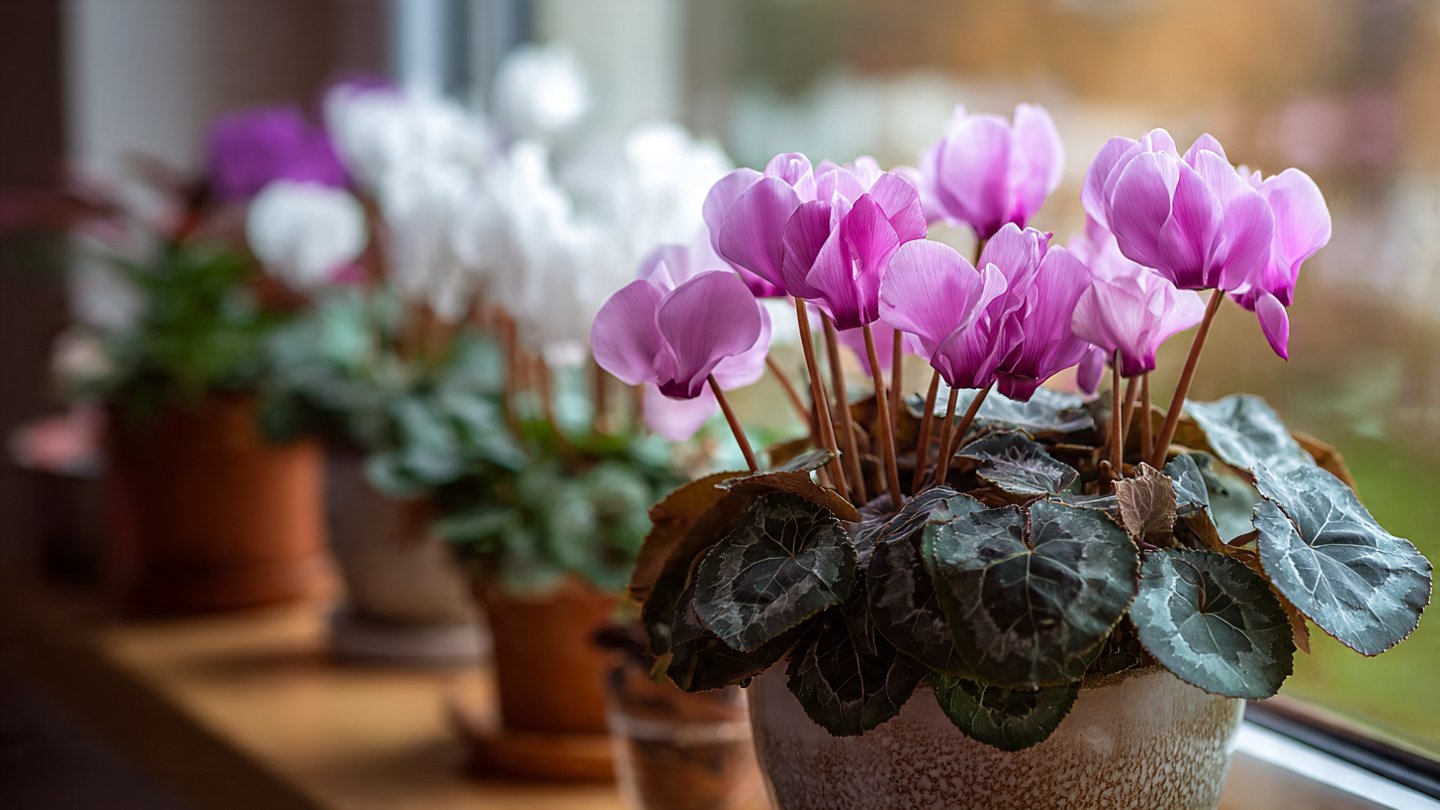
Cyclamen are beautiful flowering plants known for their heart-shaped leaves and vibrant flowers, which bloom in various colors including pink, white, red, and purple. Native to Europe and the Mediterranean region, these enchanting plants can thrive indoors, bringing a touch of nature to your home. Here’s a comprehensive guide on how to successfully grow cyclamen indoors, regardless of your environment.
1. Understanding Cyclamen
What is Cyclamen?
Latest Posts
- A Comprehensive Guide to Successfully Growing Grape Vines in Your Backyard for Beginners and Experts Alike
- Best Tips for Successful Mango Growth in Containers
- Discover the Simple Steps for Successfully Growing Coriander in a Pot
- Discovering the Ultimate Guide to Growing African Violets from Leaf Cuttings
- Simple Techniques for Successfully Growing Seedless Grapes in Home Gardens
- Ultimate Guide to Growing Balsam Plants Naturally for Vibrant Blooms
- Discover the Secrets to Growing Lush Leek Leaves with Simple Hacks for Beginners
- How to Successfully Cultivate Sweet Cherries in the Unique Climate of Canada
- The Ultimate Guide to Successfully Growing Beautiful Succulent Garden Plants at Home
- A Comprehensive Guide to Growing Dhania from Seeds for Beginners
Cyclamen are perennial plants belonging to the family Primulaceae. They are commonly grown for their attractive foliage and stunning flowers, typically emerging in late winter or early spring. These plants prefer a cooler environment, making them ideal for indoor growth during the colder months.
Types of Cyclamen
The two most common types of cyclamen grown indoors are:
-
Cyclamen persicum: This Mediterranean species features larger flowers and is often sold in pots for indoor décor.
-
Cyclamen hederifolium: This type blooms outdoors in the fall and is typically less common indoors but is very hardy.
2. Choosing the Right Variety
When selecting cyclamen for indoor growth, choose the right variety that suits your home environment. Cyclamen persicum is popular for indoor use due to its larger flowers and longer flowering period. Make sure to pick healthy, vibrant plants with non-yellowing leaves.
3. Ideal Growing Conditions

Temperature
Cyclamen thrive in cooler temperatures between 60°F to 70°F (15°C to 21°C). They can tolerate slightly lower temperatures, especially during the night. Avoid placing them in areas with temperatures exceeding 75°F (24°C), as this can hinder growth and flowering.
Light
Cyclamen prefer bright, indirect sunlight. A location near a north or east-facing window is optimal. Direct sunlight can scorch their leaves, while too little light will prevent blooming.
Humidity
These plants enjoy moderate humidity levels, typically around 40-60%. If your home is particularly dry, consider placing a humidifier nearby or using a pebble tray with water to increase humidity around the cyclamen.
Soil
Choosing the right soil is crucial for cyclamen growth. Use a well-draining potting mix that retains some moisture but allows for adequate drainage. A mixture of regular potting soil with perlite or sand works well.
4. Planting Cyclamen
Pot Choice
Select a pot that has drainage holes at the bottom. Cyclamen have a tuberous root system, so a pot that is slightly deeper than wide is ideal. Ensure the pot is large enough to accommodate the growth of the tuber.
Potting Process
- Fill the pot with well-draining potting mix, leaving enough space for the tuber.
- Place the cyclamen tuber in the pot so that its upper half is above the soil line. This exposure helps prevent rot.
- Gently add soil around the tuber, compacting it lightly.

5. Watering Requirements
Watering Schedule
Cyclamen prefer to dry out slightly between waterings. Water the plant when the top inch of soil feels dry. During the growing season, you may need to water once a week, while in the dormant period (summer), reduce watering significantly.
Watering Method
Avoid overhead watering, as moisture on the leaves can lead to fungal diseases. Water at the base, allowing excess water to drain out. Empty the saucer under the pot to prevent water from sitting stagnant.
6. Fertilization
Cyclamen do not require heavy fertilization. Use a balanced, water-soluble fertilizer diluted to half strength every 4-6 weeks during the growing season (fall and winter). Avoid fertilizing during the dormant period.
7. Pruning and Maintenance
Regular maintenance is essential to keep your cyclamen healthy:
- Remove Dead Flowers: After flowering, cut back any spent blooms to encourage new flowers.
- Leaf Care: Trim any yellowing or damaged leaves at the base.
- Dusting Leaves: Wipe the leaves occasionally with a damp cloth to remove dust.

8. Common Problems and Solutions
Pests
Cyclamen are susceptible to pests like aphids and spider mites. Check the undersides of leaves regularly. If you notice any pests, treat them with insecticidal soap or neem oil.
Diseases
Overwatering can lead to root rot, while too little moisture can make the plant susceptible to diseases. Always check the soil moisture before watering.
Leaf Yellowing
Yellow leaves can indicate overwatering or a lack of light. Adjust your watering schedule and lighting conditions accordingly.
9. Propagation
Cyclamen can be propagated through division or seeds:
Division
This method is best done while the plant is dormant (in summer):
- Remove the plant from the pot and gently separate the tubers.
- Replant the tubers in their own pots.
Seed Propagation
- Collect seeds from your cyclamen after flowering.
- Sow the seeds in a moist, well-draining soil mix.
- Keep them in a cool, bright location until germination.
10. Seasonal Considerations
Winter Care
In winter, cyclamen will bloom beautifully. Maintain optimal light and temperature conditions. Reduce watering slightly if the plant begins to enter a dormancy period.
Summer Dormancy
During the summer, cyclamen will likely enter a dormancy phase. It’s normal for leaves to yellow and die back. Reduce watering to minimal and allow the plant to rest. Store it in a cool, dry place until the next growing season.
11. FAQs About Growing Cyclamen Indoors
Q1: How often should I water my cyclamen?
A: Water your cyclamen when the top inch of soil feels dry. During the growing season, this may be once a week, while in summer dormancy, reduce watering significantly.
Q2: Why are my cyclamen leaves turning yellow?
A: Yellowing leaves can be caused by overwatering, underwatering, or insufficient light. Ensure you adjust your care routine based on these factors.

Q3: Can cyclamen be grown from seeds?
A: Yes, cyclamen can be propagated from seeds. However, this method takes time and patience, as the seeds can take several months to germinate.
Q4: How long do cyclamen flowers last?
A: Cyclamen flowers can last for several weeks to a few months, typically blooming from fall through early spring.
Q5: Do cyclamen need direct sunlight?
A: No, cyclamen prefer bright, indirect sunlight. Too much direct sun can scorch their leaves.
Q6: What should I do if my cyclamen stops blooming?
A: If your cyclamen stops blooming, it might be entering a dormant phase or may need adjustments in water, light, or temperature conditions.
Q7: Is it normal for cyclamen to lose leaves?
A: Yes, especially during dormancy in summer. As long as new growth emerges after dormancy, it’s usually not a cause for concern.
Conclusion
Growing cyclamen indoors can be a rewarding experience, bringing vibrant colors and life to your space during the colder months. By understanding their needs—temperature, light, watering, and care—you can cultivate these beautiful plants successfully in any home environment. Follow the steps outlined in this guide, and enjoy the blooming beauty of cyclamen throughout the season. Happy gardening!