Introduction
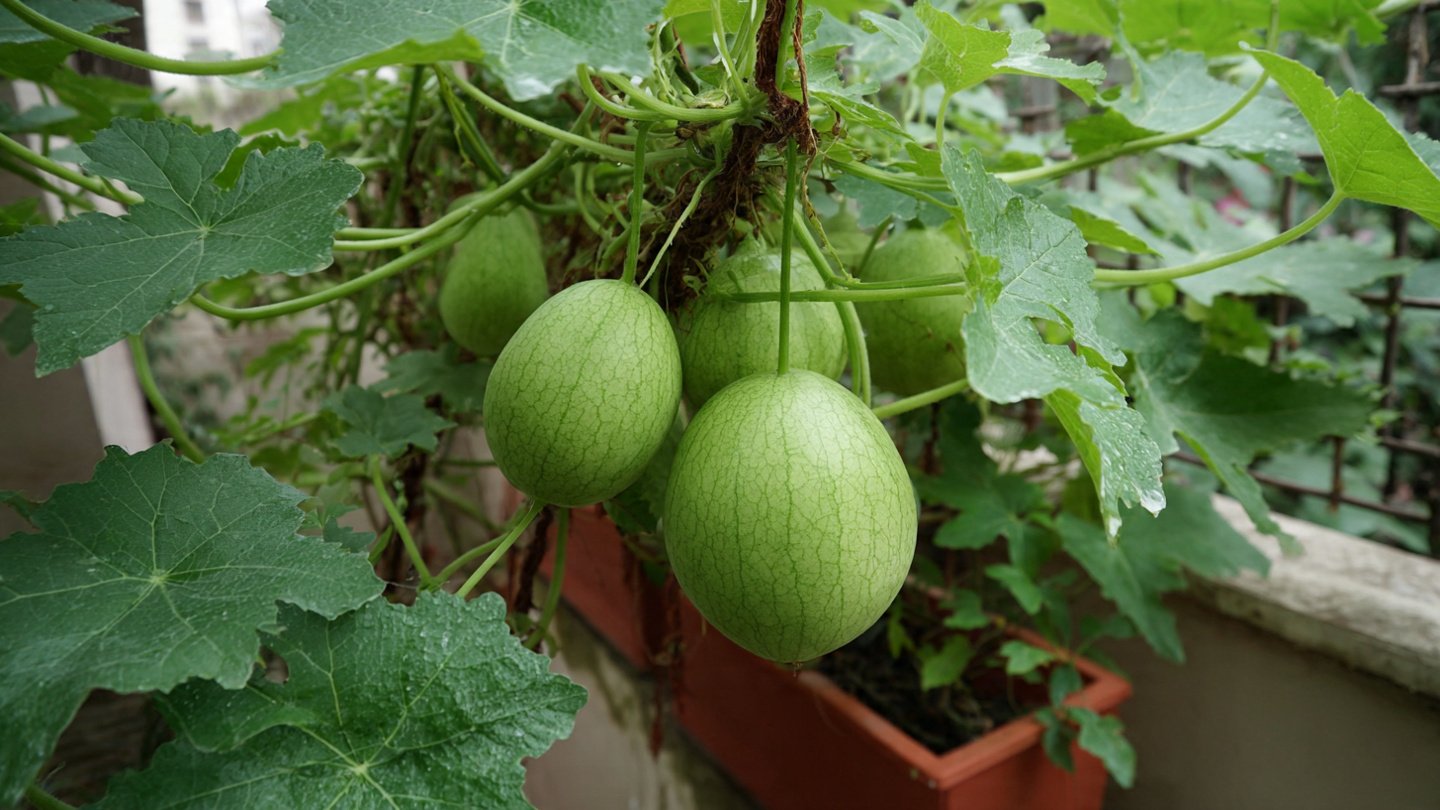
Ash gourd, also known as winter melon (Benincasa hispida), is a versatile and nutritious vegetable cherished in various cuisines around the world. With its unique flavor and health benefits, growing ash gourd can be a rewarding endeavor. For those with limited space, cultivating this plant in containers offers an ideal solution. In this article, we’ll explore how to successfully grow ash gourd in containers, covering everything from selecting the right container to harvesting your crop.
Why Choose Ash Gourd for Container Gardening?
Latest Posts
- A Comprehensive Guide to Successfully Growing Grape Vines in Your Backyard for Beginners and Experts Alike
- Best Tips for Successful Mango Growth in Containers
- Discover the Simple Steps for Successfully Growing Coriander in a Pot
- Discovering the Ultimate Guide to Growing African Violets from Leaf Cuttings
- Simple Techniques for Successfully Growing Seedless Grapes in Home Gardens
- Ultimate Guide to Growing Balsam Plants Naturally for Vibrant Blooms
- Discover the Secrets to Growing Lush Leek Leaves with Simple Hacks for Beginners
- How to Successfully Cultivate Sweet Cherries in the Unique Climate of Canada
- The Ultimate Guide to Successfully Growing Beautiful Succulent Garden Plants at Home
- A Comprehensive Guide to Growing Dhania from Seeds for Beginners
-
Nutritional Benefits: Ash gourd is low in calories and rich in vitamins, minerals, and antioxidants. It’s an excellent addition to a healthy diet.
-
Space-Efficient: Ash gourd vines can be trained to grow upwards, making them suitable for trellising in small gardens or patios.
-
Ornamental Appeal: With its large, lush leaves and distinctive fruit, ash gourd can serve as both a food source and an aesthetic enhancement to your garden.
-
Ease of Cultivation: Ash gourd is relatively pest-resistant and adapts well to various growing conditions, making it an excellent choice for novice gardeners.
Choosing the Right Container
1. Size Matters
Select a container that is at least 5-10 gallons in volume, allowing ample space for root development. A larger container not only supports growth but also retains moisture better.
2. Material Types
- Plastic: Lightweight and retains moisture well, but can get hot in the sun.
- Clay: Breathable and durable, but may dry out quickly.
- Wood: Aesthetic and provides good insulation, but ensure it’s lined properly to prevent rot.

3. Drainage
Ensure your container has sufficient drainage holes. This prevents waterlogging, which can lead to root rot.
Soil Requirements
1. Quality Soil Mix
Use a well-draining potting mix. A combination of:
- Coconut coir: Retains moisture and provides nutrients.
- Compost: Enhances fertility.
- Perlite or vermiculite: Improves drainage.
2. pH Level
Ash gourd thrives in slightly acidic to neutral soil (pH 6.0-7.0). Test your soil and amend as necessary.
Sowing Seeds
1. Seed Selection
Choose certified seeds from a reliable source. Look for varieties suited for container gardening.
2. Germination Process
- Direct Sowing: Sow seeds directly into the container after the last frost date.
- Starting Indoors: Begin seeds indoors 3-4 weeks before the last frost. Use seed trays and transplant them when they have 2-3 true leaves.
3. Planting Depth
Plant seeds about 1 inch deep, and space them 1-2 feet apart if planting multiple seeds in one container.
Caring for Your Ash Gourd Plants
1. Light Requirements
Ash gourd prefers full sun, needing at least 6-8 hours of direct sunlight daily. Position your containers where they can soak up as much sunlight as possible.
2. Watering
- Frequency: Water consistently to maintain soil moisture but avoid overwatering. Check the top inch of soil; if it’s dry, it’s time to water.
- Technique: Water deeply and evenly. An automated drip system can be very beneficial.
3. Fertilization
Feed your ash gourd plants with a balanced, slow-release fertilizer every 4-6 weeks. During the flowering and fruiting stage, switch to a fertilizer higher in potassium and phosphorus to encourage blooming and fruit set.
4. Support Structures
Install a trellis or a sturdy support system to help the vines grow upwards. This saves space and can improve air circulation, reducing the risk of disease.
5. Pest Management
Monitor your plants regularly for pests such as aphids and spider mites. Employ organic insecticides or neem oil to combat infestations, and encourage beneficial insects like ladybugs.
Pollination
Ash gourd plants are monoecious, meaning they have separate male and female flowers. Hand pollination may be necessary to ensure fruit set:
- Identify Flowers: Male flowers have a long stem; female flowers have a small fruit at the base.
- Transfer Pollen: Use a soft brush or your finger to gently transfer pollen from male flowers to the stigma of female flowers.
Harvesting Ash Gourd
1. Timing
The typical harvest time for ash gourd is about 60-90 days after planting. The fruit is ready when it reaches a size of 6-12 inches and has a waxy, pale green skin.
2. Cutting the Fruit
Use sharp pruning shears to cut the fruit from the vine, leaving a small stem attached. Handle carefully to avoid damaging the plant.
3. Storage
Store your harvested ash gourd in a cool, dry place. It can last for several weeks if stored properly.

Common Challenges and Solutions
1. Poor Growth
- Solution: Check for nutrient deficiency and adjust fertilization. Ensure adequate sunlight and watering.
2. Pest Infestations
- Solution: Implement organic pest control methods and keep plants healthy through proper care.
3. Disease Issues
- Solution: Monitor for signs of fungal infections and maintain good air circulation by pruning excess foliage.
Tips for Success
- Companion Planting: Plant other vigorous crops like beans or corn nearby to encourage biodiversity and soil health.
- Regular Monitoring: Keep an eye out for any changes in growth patterns and address them promptly.
- Succession Planting: If space allows, sow new seeds every couple of weeks for continuous harvest.
FAQs
1. Can I grow ash gourd in a smaller container?
While larger containers are ideal, you can use a container as small as 3 gallons for a few plants, but the yield may be lower.

2. How often should I water ash gourd plants?
Water every few days, ensuring the top inch of soil is dry before watering again. Container plants often need more frequent watering than those in the ground.
3. What are the best companion plants for ash gourd?
Good companions include corn, beans, and marigolds, which can deter pests and enhance growth.
4. How do I know when my ash gourd is ripe?
Ripe ash gourd will have a firm skin, a waxy coating, and should be larger in size (6-12 inches). It will also have a vibrating sound when tapped.
5. Is ash gourd frost-sensitive?
Yes, ash gourd is sensitive to frost. It’s best to plant it after the last frost date in your area.
6. Can I save seeds from my ash gourd?
Yes, you can save seeds from mature fruit. Make sure to properly dry and store them for future planting.
Conclusion
Growing ash gourd in containers is an enriching experience, providing fresh produce and beautifying your small space. With the right techniques and care, even novice gardeners can successfully cultivate this nutritious vegetable. By following the steps outlined in this guide, you’ll be well on your way to enjoying the benefits of homegrown ash gourd. Happy gardening!