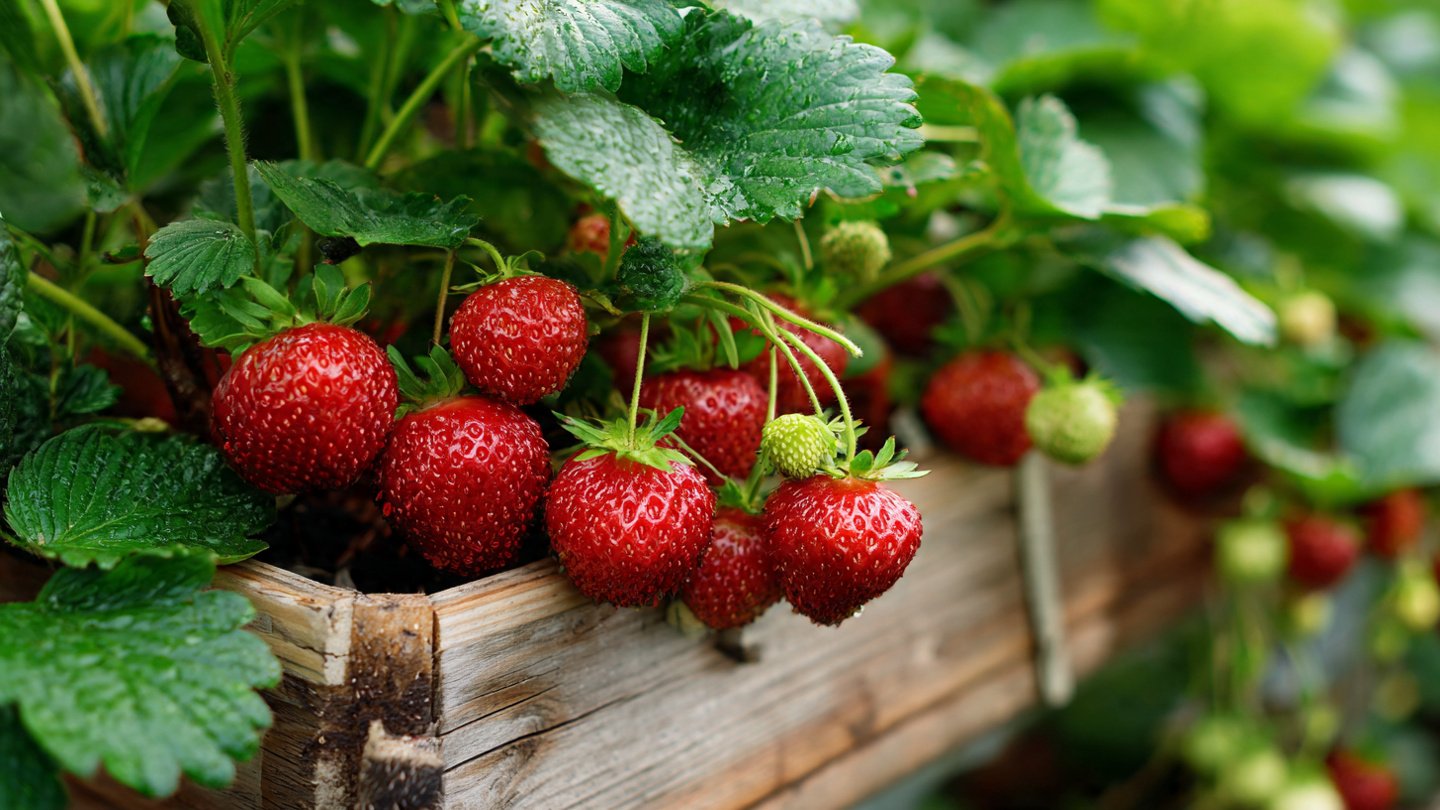
Strawberries are one of the most beloved fruits, and for good reason: they’re sweet, juicy, and versatile in both culinary and nutritional applications. Growing strawberries in a Canadian garden can be rewarding, but it also necessitates some understanding of local conditions and best practices. This guide will provide you with easy steps to cultivate strawberries effectively in your home garden.
Understanding Strawberry Varieties
Before diving into cultivation, it’s essential to understand the different types of strawberries suitable for Canadian climates:
Latest Posts
- A Comprehensive Guide to Successfully Growing Grape Vines in Your Backyard for Beginners and Experts Alike
- Best Tips for Successful Mango Growth in Containers
- Discover the Simple Steps for Successfully Growing Coriander in a Pot
- Discovering the Ultimate Guide to Growing African Violets from Leaf Cuttings
- Simple Techniques for Successfully Growing Seedless Grapes in Home Gardens
- Ultimate Guide to Growing Balsam Plants Naturally for Vibrant Blooms
- Discover the Secrets to Growing Lush Leek Leaves with Simple Hacks for Beginners
- How to Successfully Cultivate Sweet Cherries in the Unique Climate of Canada
- The Ultimate Guide to Successfully Growing Beautiful Succulent Garden Plants at Home
- A Comprehensive Guide to Growing Dhania from Seeds for Beginners
-
June-Bearing Strawberries: These are the most popular in Canada, producing fruit once a year in early summer. Varieties include ‘Earliglow’, ‘Cavendish’, and ‘Allstar’.
-
Ever-Bearing Strawberries: These varieties produce two to three harvests throughout the growing season. ‘Quinault’ and ‘Ozark Beauty’ are well-suited for northern climates.
-
Day-Neutral Strawberries: These can be harvested throughout the growing season, as long as the temperatures remain moderate. ‘Seascape’ and ‘Albion’ are excellent choices for continuous fruiting.
Choosing the right variety for your local climate and taste preference is crucial for successful cultivation.
Step 1: Preparing the Soil
Soil Type
Strawberries thrive in well-drained, sandy-loam soil rich in organic matter. Conduct a soil test to check pH levels; they grow best when pH levels range from 5.5 to 6.8.
Soil Preparation
-
Clear the Area: Remove any weeds, rocks, or debris from the garden bed.

-
Amend the Soil: Incorporate organic matter, such as well-rotted manure or compost, into the soil. This will improve drainage and nutrient levels.
-
Tilling: Once the amendments are mixed into the soil, till the area to a depth of about 12 inches to ensure a loose, aerated structure.
Step 2: Selecting the Planting Site
Choose a location that receives full sun for at least 6-8 hours a day. Avoid areas with heavy shade from trees or buildings. Also, ensure there is good air circulation to minimize the risk of fungal diseases.
Step 3: Planting Time
In Canada, the best time to plant strawberries is in early spring when the soil has thawed and can be worked. Ensure that the threat of frost has passed to avoid damaging young plants.
Step 4: Planting Techniques
Spacing
-
Rows: Space rows about 3 feet apart to allow for easy maintenance.
-
Plants: Space strawberry plants 12 to 18 inches apart within the row. This allows for good air circulation and helps prevent disease.
Planting Method
-
Dig a hole for each plant that is wide enough to accommodate the roots without cramping.
-
Place the strawberry plant in the hole, ensuring that the crown (the point where the stem meets the roots) is level with the soil surface.
-
Backfill the hole and gently tamp down the soil to eliminate air pockets.
-
Water thoroughly after planting to help establish the roots.

Step 5: Watering and Fertilizing
Watering Needs
Strawberries require consistent moisture, especially during flowering and fruiting. Ensure the soil stays moist but not waterlogged. Aim for about an inch of water per week.
Fertilization
-
Apply a balanced fertilizer (10-10-10) in early spring as new growth begins.
-
Avoid over-fertilization, which can lead to lush foliage at the expense of fruit production.
-
Side-dress with compost or organic fertilizer during the growing season to support ongoing plant health.
Step 6: Mulching
Applying a layer of mulch around your strawberry plants is essential. Mulch helps to:
- Retain soil moisture
- Suppress weeds
- Keep fruit clean
- Regulate soil temperature

Use straw, wood chips, or black plastic as mulch options.
Step 7: Managing Pests and Diseases
Common Pests
- Spider Mites: Look for webbing; treatment includes insecticidal soap.
- Slugs and Snails: Use traps or handpick them in the evening.
- Birds: Use netting to protect ripening fruit.
Diseases
- Powdery Mildew: Ensure adequate air circulation and avoid overhead watering to minimize moisture on leaves.
- Root Rot: This is often a result of poor drainage. Ensure your soil drains well with appropriate amendments.
Regularly inspect your plants for signs of pests or disease and address issues promptly to maintain plant health.
Step 8: Harvesting
Strawberries are ready for harvest when they are fully colored and slightly soft to the touch. The general rule of thumb is to pick them every couple of days during the peak season.
-
Picking Method: Gently twist or cut the stem of the fruit instead of pulling, to avoid damaging the plant.
-
Storage: Store freshly picked strawberries in the refrigerator and consume them within a few days for the best flavor. They can also be frozen for future use.

Step 9: Winter Protection
Canadian winters can be harsh, so taking measures to protect your strawberries is crucial.
-
Mulching: After the first frost, apply an extra layer of mulch (straw or leaves) to insulate the roots.
-
Covering: For particularly cold areas, consider using row covers or fleece to shield the plants from freezing temperatures.
-
Clean-Up: At the end of the growing season, remove any dead foliage to reduce the risk of pests and diseases.
FAQs
1. What is the best strawberry variety for Canadian gardens?
June-bearing varieties, like ‘Earliglow’ and ‘Cavendish’, are popular for their robust growth and delicious fruit. Ever-bearing and day-neutral varieties can also thrive, providing fruit throughout the season.
2. When should I plant strawberries in Canada?
The ideal time for planting strawberries in Canada is early spring after the last frost, typically between late April and mid-June.
3. How much sunlight do strawberries need?

Strawberries require full sun for at least 6-8 hours per day for optimal growth and fruiting.
4. Can I grow strawberries in containers?
Yes, strawberries can be successfully grown in containers. Ensure containers have drainage holes and are at least 12 inches deep.
5. How often should I water my strawberries?
Strawberries require about an inch of water per week, with extra moisture needed during flowering and fruiting. It’s crucial to maintain consistent moisture without waterlogging.
6. What should I do if my strawberries develop diseases?
If your plants show signs of disease, remove affected leaves, improve air circulation, and avoid overhead watering. You can also use fungicides as a last resort.
7. How do I prepare my strawberry plants for winter?
After the last harvest, mulch around the base of the plants to insulate them from harsh winter conditions. Consider removing dead foliage to minimize pest problems.
Conclusion
With careful planning and follow-through, cultivating strawberries in your Canadian garden can yield bountiful and delicious results. Remember to select the appropriate variety, maintain proper care, and protect your plants during the changing seasons. Whether eaten fresh, made into preserves, or used in various desserts, homegrown strawberries can be a delightful addition to your culinary repertoire. Happy gardening!