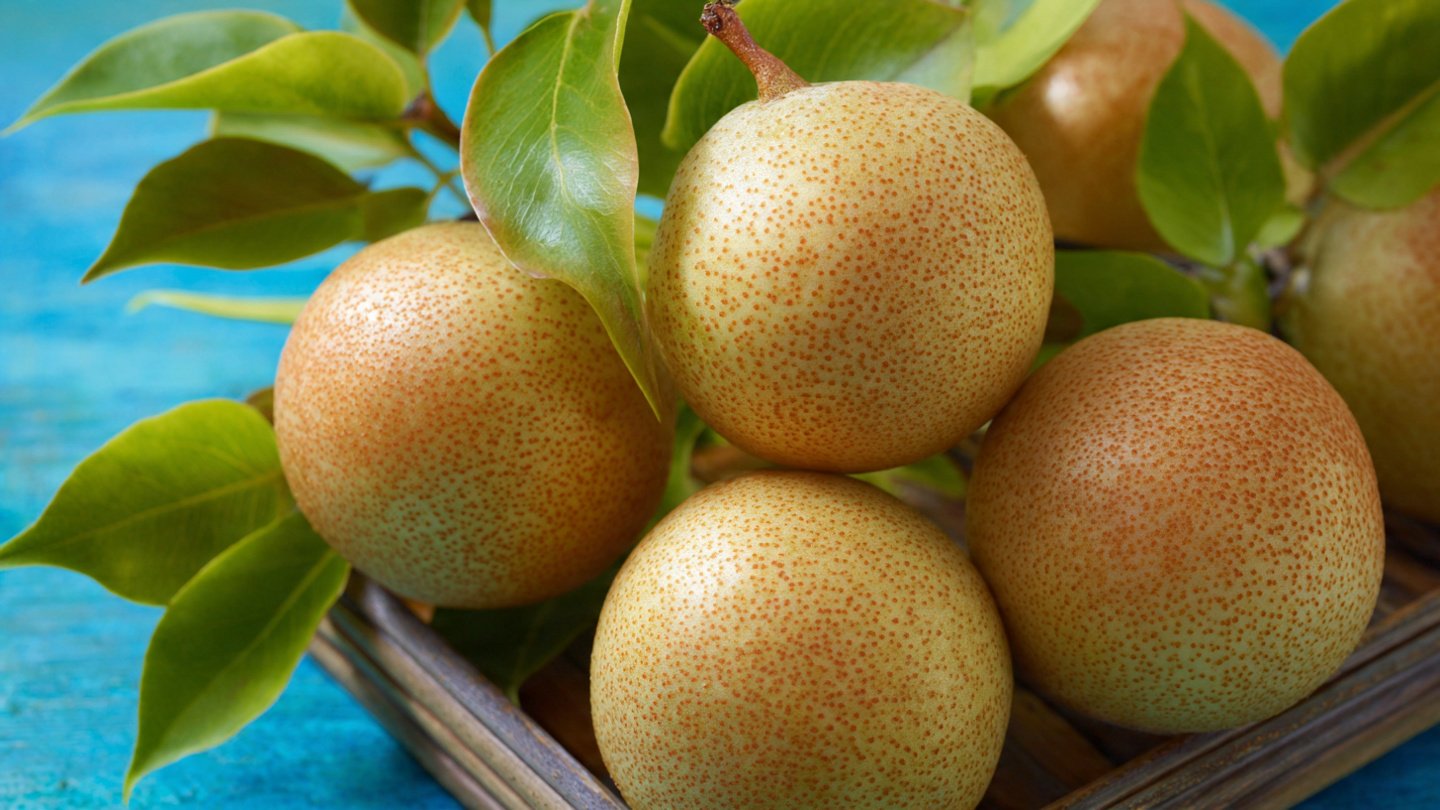
Asian pears, also known as Nashi pears or apple pears, are renowned for their crisp texture and sweet flavor. They are increasingly popular in home orchards due to their adaptability and the delightful fruit they produce. If you’re considering growing Asian pears at home, you’re in the right place! This comprehensive guide covers best practices for cultivation, ensuring you achieve maximum yield and flavor.
Understanding Asian Pears
Asian pears (Pyrus pyrifolia) differ from traditional European pears in several ways. They are usually rounder, have a crisp texture similar to apples, and are typically eaten raw. The flavors can range from sweet to slightly tangy, making them versatile for various culinary uses.
Latest Posts
- A Comprehensive Guide to Successfully Growing Grape Vines in Your Backyard for Beginners and Experts Alike
- Best Tips for Successful Mango Growth in Containers
- Discover the Simple Steps for Successfully Growing Coriander in a Pot
- Discovering the Ultimate Guide to Growing African Violets from Leaf Cuttings
- Simple Techniques for Successfully Growing Seedless Grapes in Home Gardens
- Ultimate Guide to Growing Balsam Plants Naturally for Vibrant Blooms
- Discover the Secrets to Growing Lush Leek Leaves with Simple Hacks for Beginners
- How to Successfully Cultivate Sweet Cherries in the Unique Climate of Canada
- The Ultimate Guide to Successfully Growing Beautiful Succulent Garden Plants at Home
- A Comprehensive Guide to Growing Dhania from Seeds for Beginners
Choosing the Right Variety
Selecting the right variety is crucial for a successful harvest. Here are some popular Asian pear varieties:
-
Korean Giant: Known for its large size and crisp texture. It has a sweet, juicy flavor and is resistant to many diseases.
-
Shinko: A medium-sized fruit that’s sweet and slightly tangy. It is also self-pollinating, making it easier to grow.
-
Hosui: Famous for its exceptional flavor and high yield. It is also resistant to common pests and diseases.
Be sure to choose a variety that matches your local climate and growing conditions.
Ideal Growing Conditions
1. Climate
Asian pears thrive in temperate climates. They require a certain number of chilling hours (cold temperatures) each winter to produce fruit. Ideally, they prefer temperatures between 75°F and 85°F during the growing season.
2. Soil
These trees prefer well-draining soils rich in organic matter. A slightly acidic to neutral pH (between 6.0 and 7.0) is optimal. To prepare your soil:
- Conduct a soil test to determine pH and nutrient levels.
- Amend with compost or well-rotted manure to enhance nutrient content and drainage.
3. Sunlight
Asian pears flourish in full sun. Aim for at least 6 hours of direct sunlight daily to promote healthy growth and fruit production.
Planting Asian Pears
1. Timing
The best time to plant Asian pears is in early spring or late fall. In spring, the soil is warming up, and late fall planting allows for root establishment before winter.
2. Spacing
When planting multiple trees, ensure adequate spacing. A distance of 15 to 20 feet between trees is recommended to ensure good air circulation, which is vital for disease prevention.
3. Method
- Dig a hole: About twice the size of the root ball.
- Backfill: Use a mix of native soil and compost to ensure good drainage.
- Water thoroughly: After planting, water the tree well to remove air pockets.
Watering
Asian pears require consistent moisture, especially during the fruit development phase. However, overwatering can lead to root rot. Here’s how to manage watering effectively:
- Frequency: Water once a week during dry spells, increasing frequency during fruit set.
- Depth: Ensure that water penetrates at least 12 inches into the soil.
- Mulching: Apply a layer of organic mulch around the base to retain moisture and suppress weeds.
Fertilizing
To achieve maximum yield, regular fertilization is essential:
- Nitrogen: Fertilize in early spring with a nitrogen-rich fertilizer. This promotes new growth and fruit development.
- Balanced Fertilizer: In late spring, switch to a balanced fertilizer that includes phosphorus and potassium to support fruit set and flavor.
- Organic Options: Compost, fish emulsion, or well-rotted manure serve as excellent organic fertilizers.
Pruning Techniques
Pruning is vital for maintaining tree health and maximizing fruit production. Here’s how to do it effectively:
1. Timing
The best time to prune is during the dormant season, typically late winter or early spring before new growth begins.
2. Techniques
- Remove dead or diseased branches: This helps prevent diseases from spreading.
- Thin out crowded branches: Aim for an open canopy to allow sunlight and air circulation.
- Formative pruning: Shape young trees to develop a strong structure.
3. Water Sprouts: Regularly remove water sprouts (vertical shoots) that can weaken the tree’s structure.
Pest and Disease Management
Asian pears can fall victim to various pests and diseases, but with proper management, you can minimize issues:
1. Common Pests
- Pear Psylla: These sap-sucking insects can damage trees. Use insecticidal soap or neem oil to manage infestations.
- Codling Moth: Traps can be used to monitor and control these pests.
2. Diseases
- Fire Blight: A bacterial disease that affects pear trees. Promptly remove infected branches and ensure proper sanitation.
- Powdery Mildew: Fungal disease that thrives in humid conditions. Apply sulfur-based fungicides as a preventive measure.
Regular monitoring and early intervention are key to keeping your Asian pear trees healthy.
Harvesting Asian Pears
1. Timing

Asian pears are best harvested when they are firm and fully colored. This usually occurs in late summer to early fall, depending on the variety and local climate conditions.
2. Indicators of Ripeness
- Color: The skin should have a consistent color with no green patches.
- Texture: A slight squeeze should indicate firmness; overly soft fruit may be overripened.
3. Harvesting Method
- Use pruners to cut the fruit, leaving a small stem attached.
- Handle fruit carefully to avoid bruising.
Storage and Enjoying Asian Pears
Once harvested, Asian pears can last several months in a cool, dark place or the refrigerator. They are best enjoyed fresh, but can also be used in salads, desserts, and even savory dishes.
1. Storage Tips
- Store in a breathable bag (not plastic) to prevent moisture buildup.
- Check periodically for any signs of spoilage.
2. Culinary Uses
Experiment with various recipes, such as Asian pear salad, poached Asian pears with spices, or even Asian pear chutney.
FAQs
1. How long does it take for an Asian pear tree to bear fruit?
Typically, Asian pear trees take about 3 to 5 years to bear fruit, depending on the variety and care provided.
2. Do I need more than one tree for pollination?
While some varieties are self-pollinating, planting multiple trees generally improves fruit yields due to cross-pollination.
3. Can Asian pears survive in containers?
Yes, Asian pears can be grown in containers, but they require generous sizes (at least 15 gallons) to accommodate their root systems. Regular watering and fertilization are crucial for container-grown trees.
4. What is the best way to propagate Asian pears?
The best method for propagating Asian pears is through grafting, particularly onto a compatible rootstock. This allows for better disease resistance and root growth.
5. Are Asian pears more prone to any particular diseases?
Yes, they are susceptible to fire blight and powdery mildew. Proper care, including pruning and monitoring, can help mitigate these risks.
Conclusion
Growing Asian pears at home can be a rewarding endeavor, yielding delicious fruit and enhancing your garden’s biodiversity. With the right knowledge and techniques, you can ensure a bountiful harvest and enjoy the wonderful flavors of this unique fruit. Happy gardening!