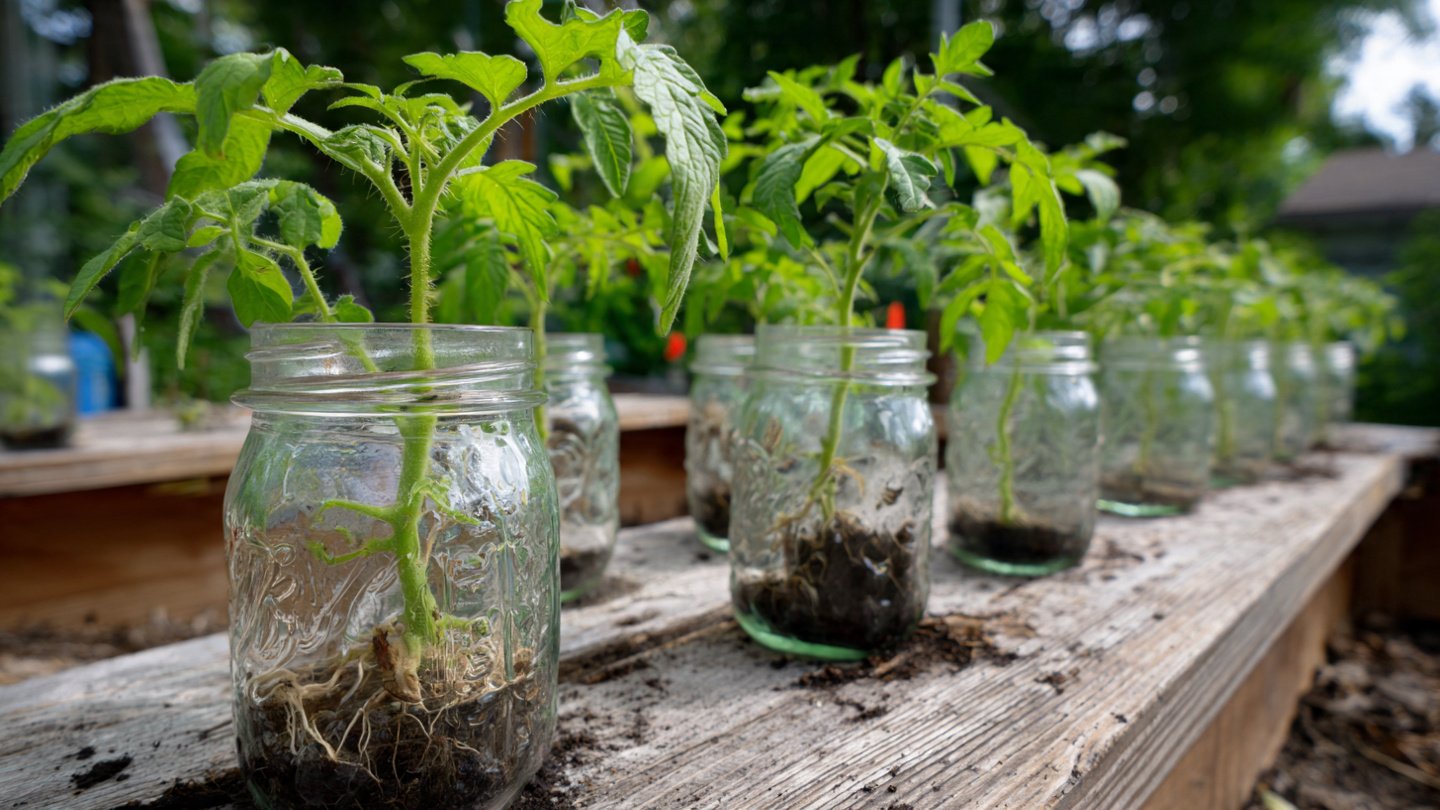
Growing tomatoes from cuttings is a rewarding endeavor that allows gardeners to expand their harvest and preserve their favorite varieties without the need for seeds. With the right techniques and some patience, it’s possible to cultivate robust plants that produce flavorful fruit. This guide will walk you through the process step-by-step, offering tips and insights to enhance your gardening experience.
Table of Contents
- A Comprehensive Guide to Successfully Growing Grape Vines in Your Backyard for Beginners and Experts Alike
- Best Tips for Successful Mango Growth in Containers
- Discover the Simple Steps for Successfully Growing Coriander in a Pot
- Discovering the Ultimate Guide to Growing African Violets from Leaf Cuttings
- Simple Techniques for Successfully Growing Seedless Grapes in Home Gardens
- Ultimate Guide to Growing Balsam Plants Naturally for Vibrant Blooms
- Discover the Secrets to Growing Lush Leek Leaves with Simple Hacks for Beginners
- How to Successfully Cultivate Sweet Cherries in the Unique Climate of Canada
- The Ultimate Guide to Successfully Growing Beautiful Succulent Garden Plants at Home
- A Comprehensive Guide to Growing Dhania from Seeds for Beginners
- Understanding Tomato Cuttings
- When to Take Cuttings
- Preparing the Cuttings
- Rooting Techniques
- Caring for Your New Plants
- FAQs
Latest Posts
1. Understanding Tomato Cuttings
Tomato cuttings are sections of a tomato plant that can develop roots and grow into new plants. This method is particularly beneficial for gardeners looking to propagate heirloom or hybrid varieties. Unlike planting seeds, which can take weeks to germinate and grow, cuttings can root and produce fruit much faster.
Two main types of cuttings can be used for tomatoes:
- Stem Cuttings: The most common method, involving cutting a healthy stem from the plant.
- Leaf Petiole Cuttings: This involves rooting a leaf stem, but it is less reliable than stem cuttings.

2. When to Take Cuttings
The best time to take cuttings is during the growing season, particularly in early summer. At this time, the plant is actively growing, making it easier to establish roots.
Conditions to Consider:
- Healthy Plants: Ensure the parent plant is disease-free and thriving.
- Weather: Warm and humid conditions are ideal for rooting, as they encourage growth.
- Time: Early morning is the best time to take cuttings when the plant is fully hydrated.
3. Preparing the Cuttings
Step 1: Select a Healthy Stem
Choose a robust, mature stem that’s 6-8 inches long, preferably from a plant that has been pruned. Look for stems without flowers or fruit, as these can divert energy from rooting.
Step 2: Make the Cut
Use a sharp, clean knife or scissors to make a diagonal cut just below a leaf node. This angle increases the surface area for rooting.
Step 3: Remove Lower Leaves
Trim off the lower leaves, leaving just the top two or three leaves. This reduces water loss through transpiration and helps the cutting focus its energy on root development.

Step 4: Optional – Hormone Treatment
While not necessary, using rooting hormone can enhance the rooting process. Dip the cut end of the stem into the hormone powder or gel to encourage faster root growth.
4. Rooting Techniques
There are various methods to root your tomato cuttings, each with its own advantages.
Method 1: Water Propagation
- Place Cuttings in Water: Place the prepared cuttings in a glass or jar of water. Ensure that only the cut end stays submerged.
- Provide Adequate Light: Place the container in a bright area but out of direct sunlight to prevent overheating.
- Change Water Regularly: Replace the water every few days to keep it fresh and oxygenated.
- Wait for Roots to Develop: After about 1-2 weeks, you should see roots starting to form.
Method 2: Soil Propagation
- Prepare a Container: Fill a small pot with a well-draining potting mix, ensuring it is moist but not soggy.
- Insert the Cutting: Create a hole in the soil with a pencil or stick and gently place the cutting in. Firmly pack the soil around it to eliminate air pockets.
- Cover: For an added humidity boost, cover the pot with a plastic bag or a clear plastic dome.
- Monitor Moisture: Keep the soil evenly moist and check for root development in 2-3 weeks.

Method 3: Direct Ground Planting
For gardeners ready to plant directly into the ground:
- Choose a Location: Select a spot that receives full sun and has well-draining soil.
- Plant the Cuttings: Follow the same steps for inserting the cutting into the soil, burying it deep enough to support itself.
- Water Thoroughly: Ensure the newly planted cuttings are adequately watered to settle the soil.
5. Caring for Your New Plants
Once your cuttings have rooted, it’s time to provide the right care to ensure they thrive.
Transplanting
When cuttings have developed a sturdy root system (about 4-6 inches in length), they can be moved to larger pots or planted in the garden.
- Harden Off: Gradually introduce plants to outdoor conditions over a week to minimize shock.
- Plant with Care: Dig a hole in well-amended soil, place the plant at the same depth it was growing in its rooting medium, and backfill with soil.
Watering

Keep the soil consistently moist but never waterlogged. Gradually increase the time between watering as the plants become established.
Fertilizing
Begin fertilizing with a balanced, water-soluble fertilizer about four weeks after transplanting. A fertilizer rich in potassium will encourage flowering and fruit production.
Pruning and Supporting
As the plants grow, you may need to prune for better airflow and support. Staking or using tomato cages can help keep the fruit off the ground and prevent rot.
FAQs
Q1: Can I grow any tomato variety from cuttings?
Yes, most tomato varieties can be propagated from cuttings, but heirloom varieties are particularly popular due to their unique flavors and characteristics.
Q2: How long does it take for tomato cuttings to root?
Tomato cuttings typically take about 1-3 weeks to develop roots, depending on the method used and environmental conditions.
Q3: Should I use soil or water for propagation?

Both methods are effective. Water propagation allows you to monitor root growth more visually, while soil propagation can lead to stronger root systems from the start.
Q4: What if my cuttings don’t root?
If cuttings fail to root, check your conditions. Ensure the parent plant was healthy, and the cuttings were taken properly. Adjust environmental factors like light and moisture as needed.
Q5: When can I expect my cuttings to produce fruit?
Typically, tomato plants will begin to produce fruit within 6-10 weeks after transplanting, depending on the variety and growing conditions.
Q6: Can I grow tomatoes indoors from cuttings?
Yes, tomatoes can be successfully grown indoors from cuttings as long as they receive adequate light—consider using grow lights if necessary.
Conclusion
Growing tomatoes from cuttings is a sustainable and cost-effective method that allows gardeners to enjoy their favorite varieties season after season. By following the steps outlined in this guide, you can successfully propagate and nurture new plants, reaping the benefits of your labor with delicious homegrown tomatoes. Whether you are a novice or an experienced gardener, this technique opens up possibilities for experimentation and growth in your garden. With a little care and attention, your garden can flourish with vibrant tomato plants that provide bountiful harvests for years to come. Happy gardening!