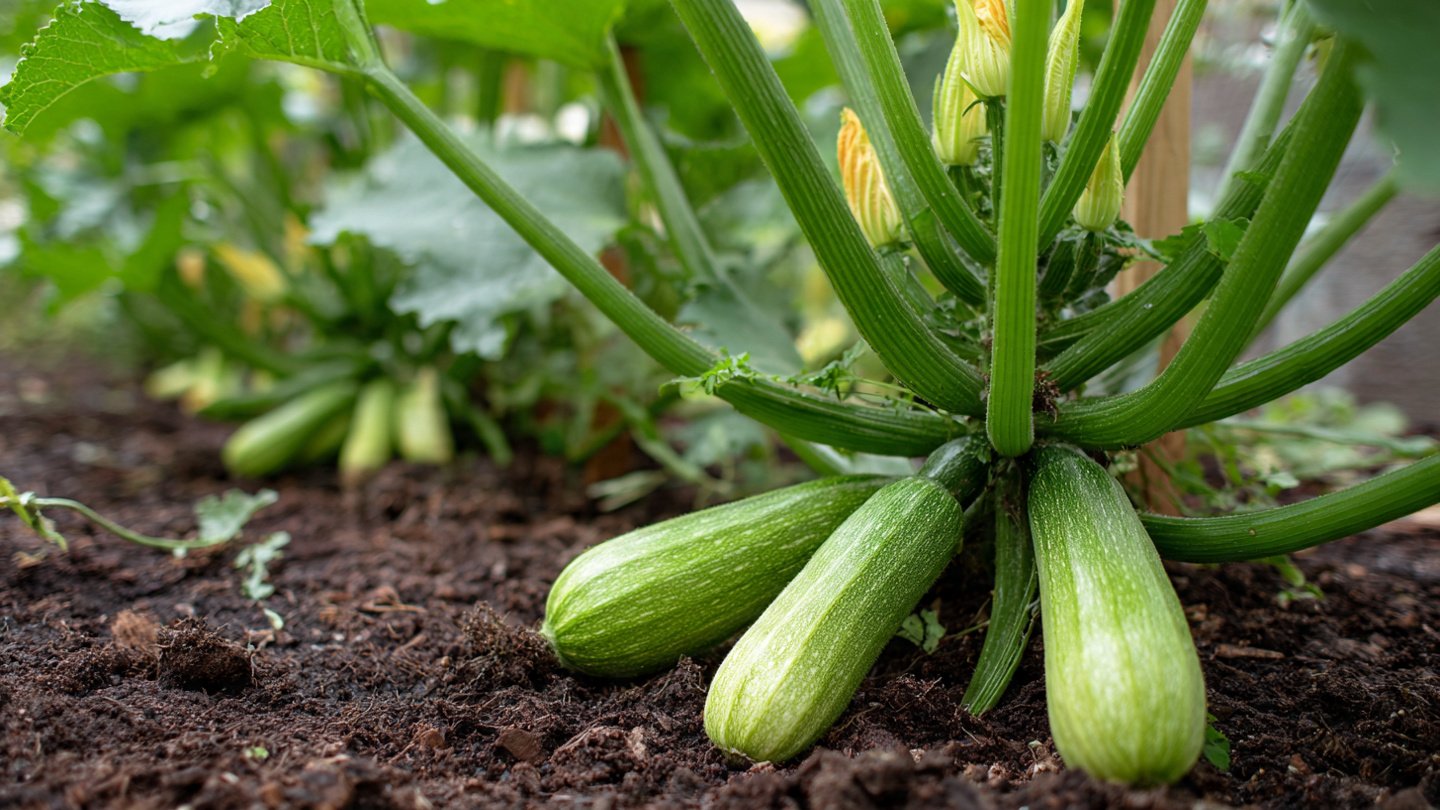
Zucchini is a versatile and popular vegetable that many home gardeners love to grow. With its rich flavor and numerous culinary uses, it’s no surprise that beginners often choose zucchini as their first vegetable to cultivate. In this comprehensive guide, you’ll learn everything you need to know about growing zucchini at home, from selecting the right varieties to harvesting your bountiful crop.
1. Understanding Zucchini
Zucchini, also known as courgette, is a summer squash that belongs to the Cucurbitaceae family. It is known for its slender green or yellow shape and is packed with nutrients, making it a healthy addition to various dishes. It’s crucial to understand a few basic facts about zucchini before you start planting:
Latest Posts
- A Comprehensive Guide to Successfully Growing Grape Vines in Your Backyard for Beginners and Experts Alike
- Best Tips for Successful Mango Growth in Containers
- Discover the Simple Steps for Successfully Growing Coriander in a Pot
- Discovering the Ultimate Guide to Growing African Violets from Leaf Cuttings
- Simple Techniques for Successfully Growing Seedless Grapes in Home Gardens
- Ultimate Guide to Growing Balsam Plants Naturally for Vibrant Blooms
- Discover the Secrets to Growing Lush Leek Leaves with Simple Hacks for Beginners
- How to Successfully Cultivate Sweet Cherries in the Unique Climate of Canada
- The Ultimate Guide to Successfully Growing Beautiful Succulent Garden Plants at Home
- A Comprehensive Guide to Growing Dhania from Seeds for Beginners
- Growing Season: Zucchini is a warm-season crop that thrives in temperatures between 70°F and 90°F (21°C – 32°C).
- Growing Environment: It requires full sun (at least 6-8 hours of direct sunlight daily) and well-drained soil.
- Watering Needs: Zucchini prefers consistent watering, so regular moisture is key to a healthy plant.
2. Choosing the Right Variety
When it comes to zucchini, there are several varieties to choose from. Some popular types include:
- Green Zucchini: The most common variety; it has a tender skin and versatile flavor.
- Yellow Zucchini: Slightly sweeter than green zucchini and adds vibrant color to your garden and dishes.
- Round Zucchini: These are ball-shaped and great for stuffing.
- Crookneck Zucchini: Known for its unique shape, great for grilling.
Select a variety based on flavor preferences, intended culinary use, and garden space.

3. Preparing Your Garden
3.1 Choosing a Location
Select a sunny spot in your garden that receives ample sunlight. Ideally, the location should have good air circulation to minimize disease problems.
3.2 Soil Preparation
Zucchini grows best in well-draining soil enriched with organic matter. Follow these steps to prepare your garden bed:
- Soil Test: Perform a soil test to check pH levels (aim for 6.0 to 7.5) and nutrient content.
- Amendments: Mix compost or well-rotted manure into the soil to improve fertility and drainage, aiming for a depth of about 12-15 inches.
- Tilling: Break up any compacted soil by tilling it, promoting good root development.
4. Planting Zucchini
You can choose to start zucchini seeds indoors or sow them directly in the garden.
4.1 Direct Sowing
- Timing: Wait until after the last frost date in your area. Zucchini can be directly sown when the soil temperature reaches at least 60°F (15°C).
- Planting Depth: Sow seeds about 1 inch deep.
- Spacing: Plant seeds about 24 inches apart in rows that are 3 feet apart.

4.2 Starting Indoors
- Containers: Use biodegradable pots to minimize root disturbance when transplanting.
- Timing: Start seeds indoors 3-4 weeks before the last frost date.
- Transplanting: Harden off your seedlings for a week before transferring them outdoors.
5. Caring for Zucchini Plants
5.1 Watering
Zucchini needs consistent moisture, especially during dry spells. Here are tips for proper watering:
- Frequency: Water deeply once or twice a week, ensuring the soil remains moist but not waterlogged.
- Technique: Water at the base of the plant to avoid wetting the leaves, which can lead to fungal diseases.
5.2 Fertilizing
Fertilize your zucchini plants to promote growth:
- Initial Fertilization: Apply a balanced fertilizer when planting.
- Subsequent Fertilization: Use a high-nitrogen fertilizer after the plants establish to encourage foliage growth. Following this, switch to one with higher phosphorus and potassium as the plants begin to flower.

5.3 Mulching
Applying mulch helps retain soil moisture, suppress weeds, and regulate soil temperature. Use straw, grass clippings, or shredded leaves around your plants.
5.4 Pest and Disease Management
Zucchini can be affected by pests and diseases, including:
- Common Pests: Cabbage worms, aphids, and squash bugs.
- Diseases: Powdery mildew and root rot.
To mitigate these issues:
- Regular Monitoring: Check your plants frequently for signs of pests or disease.
- Natural Remedies: Use insecticidal soap for pest control, and ensure good airflow to prevent fungal diseases.
6. Harvesting Zucchini
Knowing when to harvest is crucial for optimal flavor and texture.
6.1 Timing
- Ideal Size: Harvest zucchinis when they are 6 to 8 inches long for the best taste. Larger zucchinis can become tough and seedy.
- Frequency: Pick zucchinis every 2-3 days to encourage continuous production and prevent overgrowth.

6.2 How to Harvest
- Technique: Use a sharp knife or scissors to cut the zucchini off the plant, leaving a short stem attached.
7. Preserving Zucchini
If you have a bountiful harvest, consider preserving your zucchini by:
- Freezing: Blanch and then freeze slices or shredded zucchini for later use.
- Canning: Prepare zucchini relish or pickles.
- Dehydrating: Dry zucchini slices for snacks.
8. Frequently Asked Questions (FAQs)
Q1: How much sunlight do zucchini plants need?
A: Zucchini plants thrive in full sun, requiring at least 6-8 hours of direct sunlight per day for optimal growth.
Q2: Can I grow zucchini in containers?
A: Yes, zucchini can be grown in containers. Choose a large pot (at least 5 gallons) and ensure it has good drainage. You may want to support vining varieties with stakes or trellises.

Q3: Why are my zucchini plants not producing fruit?
A: Poor pollination, inadequate watering, or nutrient deficiencies can hinder fruit production. Ensure you have enough pollinators in your garden and consider hand-pollinating if needed.
Q4: How can I tell if my zucchini is ripe?
A: Zucchini is best harvested when it’s 6 to 8 inches long and firm. Larger zucchinis can become tough and seedy.
Q5: What should I do with overripe zucchini?
A: Overripe zucchini can still be used in recipes like bread or muffins. Alternatively, you can compost them to enrich your soil.
Q6: Is it necessary to prune zucchini plants?
A: Pruning is not strictly necessary, but removing excessive leaves can improve air circulation and reduce the risk of disease.
Q7: How long does it take for zucchini to grow?
A: Zucchini typically takes 50-70 days from sowing to harvest, varying by variety and growing conditions.
Conclusion
Growing zucchini at home is rewarding and relatively easy for beginners. By following this simple guide, you’ll be able to cultivate a healthy crop right in your garden. Remember to keep an eye on the basics—sunlight, soil quality, watering, and disease management—as these are critical to a successful zucchini harvest. Happy gardening!