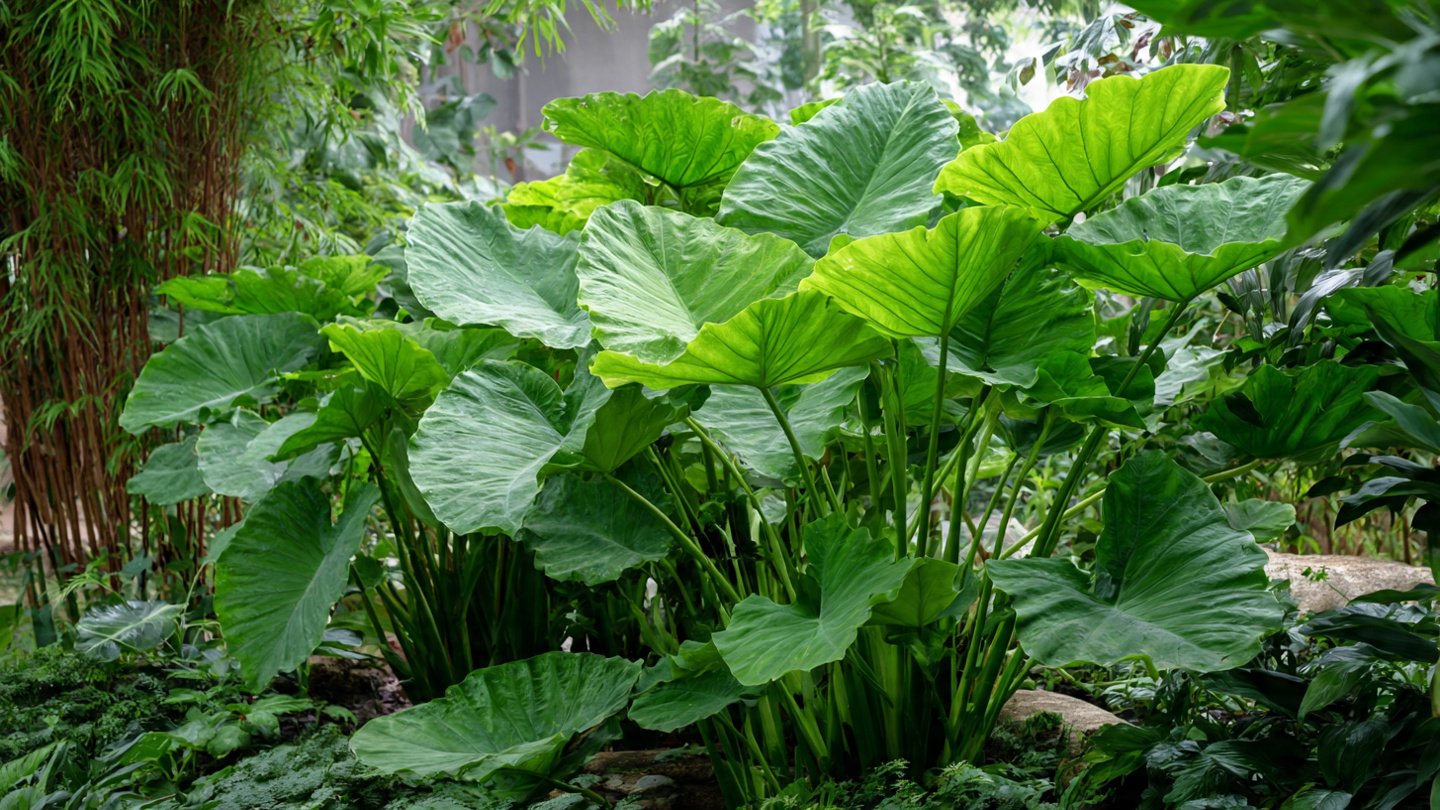
Colocasia, commonly known as taro or elephant ear, is a stunning tropical plant renowned for its large, dramatic leaves and lush, green appearance. Growing colocasia in your garden can instantly transform it into a tropical paradise. Whether you want to create a breathtaking focal point or a serene retreat, these plants can bring a touch of the tropics right to your backyard. This article provides a simple guide to successfully cultivate colocasia, along with an FAQ section to address common inquiries.
Understanding Colocasia
Colocasia belongs to the Araceae family and is native to tropical Asia and parts of Africa. The most recognizable feature of these plants is their gigantic heart-shaped leaves, which can reach sizes of up to three feet in length. These leaves can vary in color, with shades ranging from deep green to purple and even variegated patterns. Colocasia plants can grow anywhere from 3 to 6 feet tall, making them ideal for borders, containers, and garden beds.
Latest Posts
- A Comprehensive Guide to Successfully Growing Grape Vines in Your Backyard for Beginners and Experts Alike
- Best Tips for Successful Mango Growth in Containers
- Discover the Simple Steps for Successfully Growing Coriander in a Pot
- Discovering the Ultimate Guide to Growing African Violets from Leaf Cuttings
- Simple Techniques for Successfully Growing Seedless Grapes in Home Gardens
- Ultimate Guide to Growing Balsam Plants Naturally for Vibrant Blooms
- Discover the Secrets to Growing Lush Leek Leaves with Simple Hacks for Beginners
- How to Successfully Cultivate Sweet Cherries in the Unique Climate of Canada
- The Ultimate Guide to Successfully Growing Beautiful Succulent Garden Plants at Home
- A Comprehensive Guide to Growing Dhania from Seeds for Beginners
Types of Colocasia
- Colocasia esculenta: Commonly known as taro, this variety is not only grown for its ornamental value but also cultivated for its corms, which are edible.
- Colocasia gigantea: Known for its massive leaves, this variety can add an impressive structure to your garden.
- Colocasia ‘Black Magic’: This variety features dark, almost black leaves and makes for an eye-catching addition to any landscape.
Growing Conditions
To successfully grow colocasia, it is essential to mimic their native tropical environment. Here are essential factors to consider:
1. Climate
Colocasia thrives in USDA hardiness zones 7 to 11. They prefer warm, humid climates; if you live in a cooler area, consider growing them in containers that can be brought indoors during colder months.
2. Light Requirements
Colocasia enjoys partial to full shade. While they can tolerate some direct sunlight, too much can scorch their large leaves. Ideally, plant them where they receive morning sun and afternoon shade.
3. Soil Type
These plants favor rich, well-draining soil that retains moisture. A mix of loamy soil with organic matter, such as compost, is perfect for providing the nutrients necessary for healthy growth.
4. Watering
Colocasia prefers consistently moist soil. Regular watering is crucial, especially during the growing season. However, ensure that the soil does not become waterlogged, as overly wet conditions can lead to root rot.
Planting Colocasia
1. Choosing the Right Time
The best time to plant colocasia is in the spring, after the last frost. This allows the plants to establish themselves and grow vigorously through the warm summer months.
2. Seeds vs. Bulbs
Colocasia can be propagated through seeds or corms. However, planting corms is more common and faster. Here’s how to plant:
- Corms: Select healthy corms and plant them 2 to 4 inches deep, with the growing point facing up. Space them 2 to 3 feet apart to allow for growth.
- Seeds: If using seeds, plant them in seed trays filled with moist potting mix. Once seedlings are about 4 inches tall, they can be transplanted into the garden.
3. Positioning
When planting colocasia in your garden, consider their mature size. Position them towards the back of a bed or border to ensure their tall stature does not overshadow shorter plants.
Caring for Colocasia
-
Fertilization
These plants benefit from regular feeding during the growing season. Use a balanced, water-soluble fertilizer every four to six weeks to promote lush foliage. Organic fertilizer options, such as fish emulsion or compost tea, can also yield excellent results.
-
Pest and Disease Management
Colocasia is generally resilient but may occasionally face pest issues such as aphids, spider mites, or fungal infections. Regularly inspect your plants and treat any infestations promptly with insecticidal soap or neem oil. -
Winter Care
In regions where temperatures dip below freezing, colocasia is best grown as an annual or should be dug up and stored indoors during the winter months. Cut back the foliage after the first frost, and store the corms in a cool, dry place until spring planting.
Creating a Tropical Look
To enhance the tropical aesthetic in your garden using colocasia, combine them with other lush foliage plants, such as ferns, bromeliads, or other tropical-looking perennials. The contrast of textures and colors can create a magical setting. Consider mixing different colocasia varieties to add depth to your landscape.
Using Colocasia in Landscape Design
-
Focal Points: Plant a group of colocasia in a prominent spot to serve as a focal point in the garden.
-
Containers: Colocasia does well in large containers, allowing for flexible placement. This can be aesthetically pleasing on patios or decks.
-
Borders and Edges: Use them along the perimeter of garden beds for height and dramatic effect.
-
Water Features: Colocasia can be planted around ponds or water features, as they thrive in moist conditions and can enhance the water landscape.
Troubleshooting Common Problems
- Yellowing Leaves: This can indicate overwatering or nutrient deficiency. Ensure the soil is well-draining and consider adding fertilizer.
- Wilting Leaves: Often a sign of underwatering. Check soil moisture and adjust your watering schedule accordingly.
- Small Leaves: Insufficient light or nutrients can cause smaller-than-normal leaves. Consider moving your plants to a sunnier spot or adjusting fertilizer applications.
Conclusion
Growing colocasia in your garden is a delightful way to elevate its aesthetic appeal and bring the feel of the tropics into your outdoor space. With the proper conditions and care, these stunning plants can flourish, providing a breathtaking backdrop to your garden. Whether you’re a novice gardener or an experienced green thumb, colocasia is an excellent addition that will reward your efforts with lush foliage and visual interest.
FAQs
1. How do I propagate colocasia?
Colocasia can be propagated through corms or seeds, with corms being the more common method.
2. Can colocasia survive winter?
In cooler climates, colocasia should be brought indoors or stored as corms during winter to protect them from freezing temperatures.
3. How much sun does colocasia need?
Colocasia prefers partial to full shade, especially from the hot afternoon sun.
4. What should I do if my colocasia’s leaves are wilting?
First, check the soil moisture level. If it’s too dry, increase watering. If the soil is soggy, reduce watering to avoid root rot.
5. Can I eat the corms?
Yes, some varieties of colocasia, like Colocasia esculenta, are edible. However, they need to be cooked properly, as raw taro contains calcium oxalate, which can be irritating.
6. What pests affect colocasia?
Common pests include aphids and spider mites. Regular inspection and natural treatments can help control these pests.
With dedication and attention, your colocasia will thrive, enhancing your garden with its wonderful tropical charm!