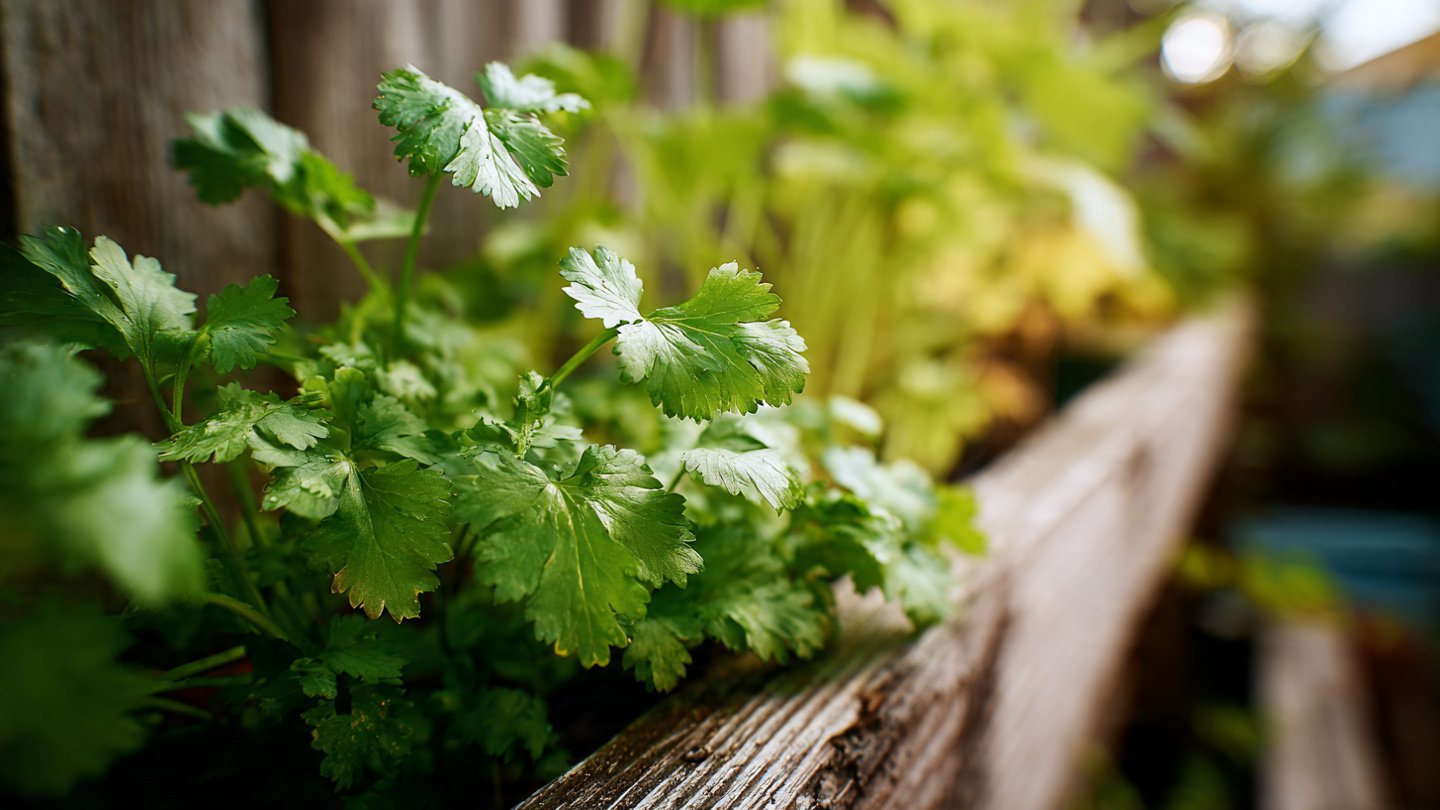
Coriander, also known as cilantro, is a versatile herb that adds flavor to dishes and garnishes worldwide. Growing coriander from seeds in your home garden can be rewarding and straightforward. This guide will walk you through the entire process, from choosing the right seeds to harvesting your crop. We will also address common questions in our FAQ section. Let’s dig in!
Why Grow Coriander?
Coriander is popular for several reasons:
Latest Posts
- A Comprehensive Guide to Successfully Growing Grape Vines in Your Backyard for Beginners and Experts Alike
- Best Tips for Successful Mango Growth in Containers
- Discover the Simple Steps for Successfully Growing Coriander in a Pot
- Discovering the Ultimate Guide to Growing African Violets from Leaf Cuttings
- Simple Techniques for Successfully Growing Seedless Grapes in Home Gardens
- Ultimate Guide to Growing Balsam Plants Naturally for Vibrant Blooms
- Discover the Secrets to Growing Lush Leek Leaves with Simple Hacks for Beginners
- How to Successfully Cultivate Sweet Cherries in the Unique Climate of Canada
- The Ultimate Guide to Successfully Growing Beautiful Succulent Garden Plants at Home
- A Comprehensive Guide to Growing Dhania from Seeds for Beginners
-
Culinary Uses: Its fresh leaves are a staple in many cuisines, including Mexican, Indian, and Thai dishes. The seeds, too, have culinary value, often used in spice blends.
-
Health Benefits: Coriander has several health benefits, including improved digestion, reduced inflammation, and potential antioxidant properties.
-
Easy to Grow: Coriander is relatively easy to cultivate, making it ideal for beginner gardeners and those with limited space.
Selecting the Right Seeds
Choosing high-quality seeds is vital for successful growth. Here are a few tips:
-
Choose Your Variety: There are mainly two types of coriander—leaf (cilantro) and seed. If you’re growing for leaves, choose a variety known for its lush foliage. If you’re planning to harvest seeds later, ensure you select a variety suitable for seed production.
-
Source Quality Seeds: Purchase seeds from a reputable nursery or gardening store. Organic seeds are often preferable as they’re free from synthetic treatments.
-
Consider Local Conditions: Some varieties may flourish better in your local climate. Consult with a local gardening expert or your extension office for recommendations.

Preparing Your Garden Bed
Location
Coriander thrives in well-drained soil and requires at least 4-6 hours of direct sunlight each day. Choose a location that meets these requirements.
Soil Preparation
-
Testing Soil pH: Coriander prefers slightly acidic to neutral soil (pH 6.2 to 6.8). Use a home testing kit to assess your soil and amend as needed.
-
Amending the Soil: Incorporate organic matter into the soil to enhance its structure, nutrition, and drainage. You might add compost or well-rotted manure.
-
Tilling the Soil: Loosen the top 12 inches of soil with a garden fork or tiller. This promotes root growth and reduces compaction.
Sowing the Seeds
When to Plant
Coriander can be sown directly in the garden after the frost has passed. In many regions, spring is the ideal time. You can also plant in the fall for a winter harvest in milder climates.
Sowing Techniques
-
Direct Seeding: Sprinkle seeds about 1/4 inch deep into the soil, spaced 2 inches apart, in rows that are 12 inches apart.
-
Thinning: Once seedlings emerge, thin them to about 6 inches apart. This gives each plant enough space to grow.
Watering
Coriander prefers consistent moisture. Water the seeds gently after planting and keep the soil moist, but avoid waterlogging. A drip irrigation system is beneficial for consistent moisture levels.
Caring for Your Coriander Plants
Mulching
Apply a 2-inch layer of organic mulch around your plants to retain moisture, suppress weeds, and regulate soil temperature.
Fertilization
Coriander does not require heavy feeding. A balanced, slow-release fertilizer can be applied in the early stages of growth. Make sure to follow the package guidelines for application.
Pest Management
Common pests, such as aphids and spider mites, can infest coriander. You can employ natural pest control methods, such as introducing beneficial insects or using insecticidal soap, to keep these pests at bay.
Weed Control
Keep the area weed-free through manual weeding or by using a hoe. Be careful not to disturb the root systems of your coriander plants while weeding.
Harvesting Coriander
Leaf Harvesting
You can begin to harvest leaves when the plants are about 6 inches tall. Use scissors to snip the outer leaves, allowing the inner leaves to continue growing. This ensures sustained production throughout the growing season.
Seed Harvesting
If you intend to harvest coriander seeds, allow the plants to flower and go to seed. Once the seed heads turn brown and dry, they can be snipped off. Place them in a paper bag and shake to release the seeds.
Storing Your Harvest
Coriander leaves can be stored in the refrigerator in a sealable bag for about a week or can be frozen for longer storage. Dried seeds should be stored in an airtight container in a cool, dark place.
Troubleshooting Common Issues
Bolting
If your coriander bolts (flowers and sets seeds prematurely), this usually indicates stress due to heat or drought. To prevent this, ensure consistent watering and consider planting in partial shade during hotter months.
Yellowing Leaves
Yellow leaves may indicate overwatering, nutrient deficiency, or pests. Check the roots for rot, and assess if the soil needs enriching.
Poor Germination
If your seeds do not germinate well, factors could include old seeds, too much moisture, or improper planting depth. Fresh seeds with proper planting techniques usually yield the best results.
Seasonality and Rotation
Coriander is typically grown as an annual plant. Consider planting it in cycles every few weeks to ensure continuous harvesting. Crop rotation is also beneficial; avoid planting coriander in the same spot year after year to prevent soil depletion and pest build-up.
Conclusion
Growing coriander from seeds is a satisfying and relatively easy endeavor for any home gardener. With the right seeds, proper soil preparation, and consistent care, you can enjoy fresh, flavorful coriander throughout your growing season. Whether you use it in your cooking or grow it for its seeds, this herb will undoubtedly enhance your culinary experiences.
FAQs Section
1. When is the best time to plant coriander seeds?
You should plant coriander seeds in the spring after the last frost. In milder climates, you may also choose to plant in the fall.
2. How much sunlight does coriander need?
Coriander requires at least 4-6 hours of direct sunlight per day for optimal growth.
3. Can I grow coriander indoors?

Yes, coriander can be grown indoors in pots. Ensure they receive enough light through natural sunlight or grow lights.
4. How often should I water coriander plants?
Water your coriander plants consistently, ensuring the soil remains moist but not waterlogged.
5. What pests should I watch out for?
Common pests include aphids and spider mites. Implement natural pest control methods to manage infestations.
6. Can I eat the coriander flowers?
Yes, coriander flowers are edible and can be used in salads or as garnishes.
7. How long does it take for coriander to grow from seeds to harvest?
Typically, coriander leaves can be harvested about 3-4 weeks after planting, while seeds take around 2-3 months to mature.
By following these guidelines, you’re well on your way to cultivating a bountiful harvest of coriander in your home garden! Happy gardening!