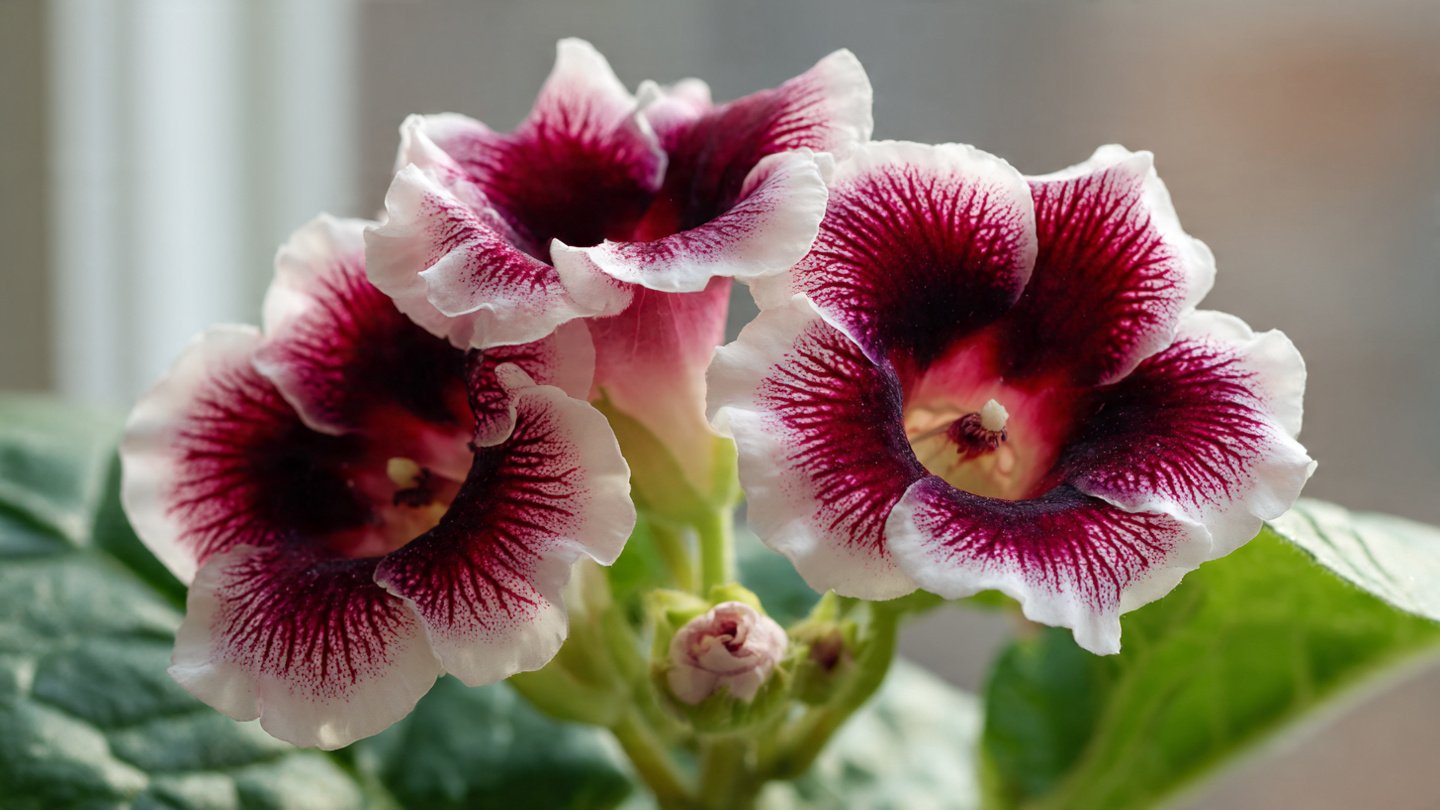
Gloxinia, also known as Sinningia, is an enchanting flowering houseplant that belongs to the Gesneriaceae family. Originating from the tropical regions of Central and South America, gloxinia is celebrated for its stunning, velvety leaves and trumpet-shaped flowers, which can bloom in shades of purple, red, pink, and white. Growing gloxinia at home can be a rewarding experience, provided you understand its specific care requirements. In this article, we’ll discuss the best methods for successfully cultivating gloxinia flowers at home.
Understanding Gloxinia
Before delving into the cultivation techniques, it’s essential to understand the basic characteristics of gloxinia:
Latest Posts
- A Comprehensive Guide to Successfully Growing Grape Vines in Your Backyard for Beginners and Experts Alike
- Best Tips for Successful Mango Growth in Containers
- Discover the Simple Steps for Successfully Growing Coriander in a Pot
- Discovering the Ultimate Guide to Growing African Violets from Leaf Cuttings
- Simple Techniques for Successfully Growing Seedless Grapes in Home Gardens
- Ultimate Guide to Growing Balsam Plants Naturally for Vibrant Blooms
- Discover the Secrets to Growing Lush Leek Leaves with Simple Hacks for Beginners
- How to Successfully Cultivate Sweet Cherries in the Unique Climate of Canada
- The Ultimate Guide to Successfully Growing Beautiful Succulent Garden Plants at Home
- A Comprehensive Guide to Growing Dhania from Seeds for Beginners
- Plant Type: Gloxinia is a perennial plant, primarily grown as a houseplant.
- Foliage: The leaves are usually large, fuzzy, and deep green, adding to the plant’s ornamental appeal even when not in bloom.
- Flowers: The flowers can vary significantly in color and size, with some varieties showcasing stunning patterns.
- Dormancy: Gloxinia enters a dormancy period after flowering, during which care changes.
Ideal Growing Conditions
To successfully grow gloxinia flowers at home, you need to recreate their natural environment as closely as possible. Here are some essential conditions:
1. Light Requirements
Gloxinia thrives in bright, indirect light. Here’s how to ensure the right lighting:
- Location: Place them near a window with filtered light. East or west-facing windows are ideal.
- Avoid Direct Sunlight: Direct sunlight can scorch the leaves, so keep them shaded from harsh afternoon sun.

2. Temperature and Humidity
Gloxinia prefers a warm and humid environment:
- Temperature: Aim for a temperature range of 70°F to 80°F (21°C to 27°C). They are sensitive to cold drafts and sudden temperature shifts.
- Humidity: Maintain humidity levels between 50-60%. If your home is dry, consider using a humidifier or placing a tray of water with pebbles beneath the pot.
3. Soil Requirements
The choice of soil can significantly impact gloxinia’s growth:
- Type: Use a light, well-draining potting mix. A mixture of potting soil, peat moss, and vermiculite works well.
- pH Level: Ideally, the soil pH should be slightly acidic, between 6.0 and 6.5.
Planting Gloxinia
1. Propagation
Gloxinia can be propagated through seeds, leaf cuttings, or division:
- Seeds: Start seeds indoors 10-12 weeks before the last frost date. Moisten the soil and sprinkle seeds on the surface without covering them. Keep the soil moist until germination.
- Leaf Cuttings: Cut a healthy leaf with a petiole (stem) and plant it in moist potting mix. Keep the soil moist and covered with plastic to create humidity until roots form.
- Division: If you have a mature gloxinia plant, you can divide the tuberous roots in spring. Ensure that each section has a growth point.
2. Choosing the Right Pot
- Size: Choose a pot that’s appropriately sized for your gloxinia. A pot that is too large can retain excess moisture, leading to rot.
- Drainage: Ensure your pot has drainage holes to prevent waterlogging.
Watering Gloxinia
Watering is crucial in gloxinia care:
- Frequency: Water thoroughly but allow the soil to dry slightly between waterings. Generally, watering once a week is sufficient during the growing season.
- Method: Water at the base of the plant rather than from above to prevent fungal diseases. Use room temperature water to avoid shock.
Fertilizing Gloxinia
Proper fertilization encourages healthy growth and vibrant blooms:
- Type of Fertilizer: Use a balanced, water-soluble fertilizer (e.g., 20-20-20) or one specifically designed for blooming houseplants.
- Frequency: Fertilize every 2-4 weeks during the growing season (spring and summer) but discontinue during the dormancy period.
Pruning and Grooming
Regular pruning helps maintain the plant’s shape and encourages new growth:
- Removing Dead or Yellowing Leaves: These can harbor pests and diseases, so remove them promptly.
- Pinching Back: Pinch back the tips of growing stems to promote bushier growth.
Managing Pests and Diseases
Gloxinia can be susceptible to certain pests and diseases:
1. Common Pests
- Aphids: Small, green insects that suck sap from the leaves. Control them using insecticidal soap or neem oil.
- Spider Mites: Tiny pests that create fine webs on the plant. Increase humidity and treat with insecticidal soap.
2. Fungal Diseases
- Root Rot: Caused by overwatering or poorly draining soil. Reduce watering and ensure proper drainage.
- Powdery Mildew: White powdery spots on leaves indicate this fungal disease. Improve air circulation and treat with appropriate fungicides.
Preparing for Dormancy
After blooming, gloxinia enters a period of dormancy:
- Watering: Gradually reduce watering as the foliage dies back. Allow the soil to dry out completely.
- Storage: Move the dormant plant to a cool, dark place. If grown in pots, store them in a cool (around 50°F or 10°C) area.
- Return to Growth: Once you see new growth in spring, resume regular care.
Frequently Asked Questions (FAQs)
1. How often should I water my gloxinia?
Water your gloxinia once a week, allowing the top inch of soil to dry out between waterings. Adjust as necessary based on humidity and temperature.
2. Can I grow gloxinia outdoors?
Gloxinia is primarily a houseplant but can be grown outdoors in shaded areas in warmer climates. Ensure that nights are cool and protect it from direct sunlight.
3. Why are the leaves of my gloxinia turning yellow?
Yellowing leaves can indicate overwatering or poor drainage. Check the soil moisture and adjust your watering routine if necessary.
4. How long does it take for gloxinia to bloom from seed?
Gloxinia can take anywhere from 3 to 6 months to bloom from seeds, depending on the conditions and care provided.
5. Can I fertilize gloxinia during dormancy?
No, you should not fertilize gloxinia during its dormant phase. Wait until you see new growth in the spring before resuming feeding.
6. Is gloxinia toxic to pets?
Gloxinia is considered non-toxic to pets, but it’s always a good idea to keep any houseplants out of reach of curious pets.
7. How can I encourage more blooms?
To encourage more blooms, ensure the plant receives bright, indirect light, maintains adequate humidity, and is fertilized regularly during the growing season.
Conclusion
Growing gloxinia flowers at home can be a delightful endeavor. With the right care and understanding of their specific needs, these beautiful plants can thrive and bring a splash of color to your indoor garden. Remember to monitor their health regularly, and don’t hesitate to adjust your care routine as necessary. Happy gardening!