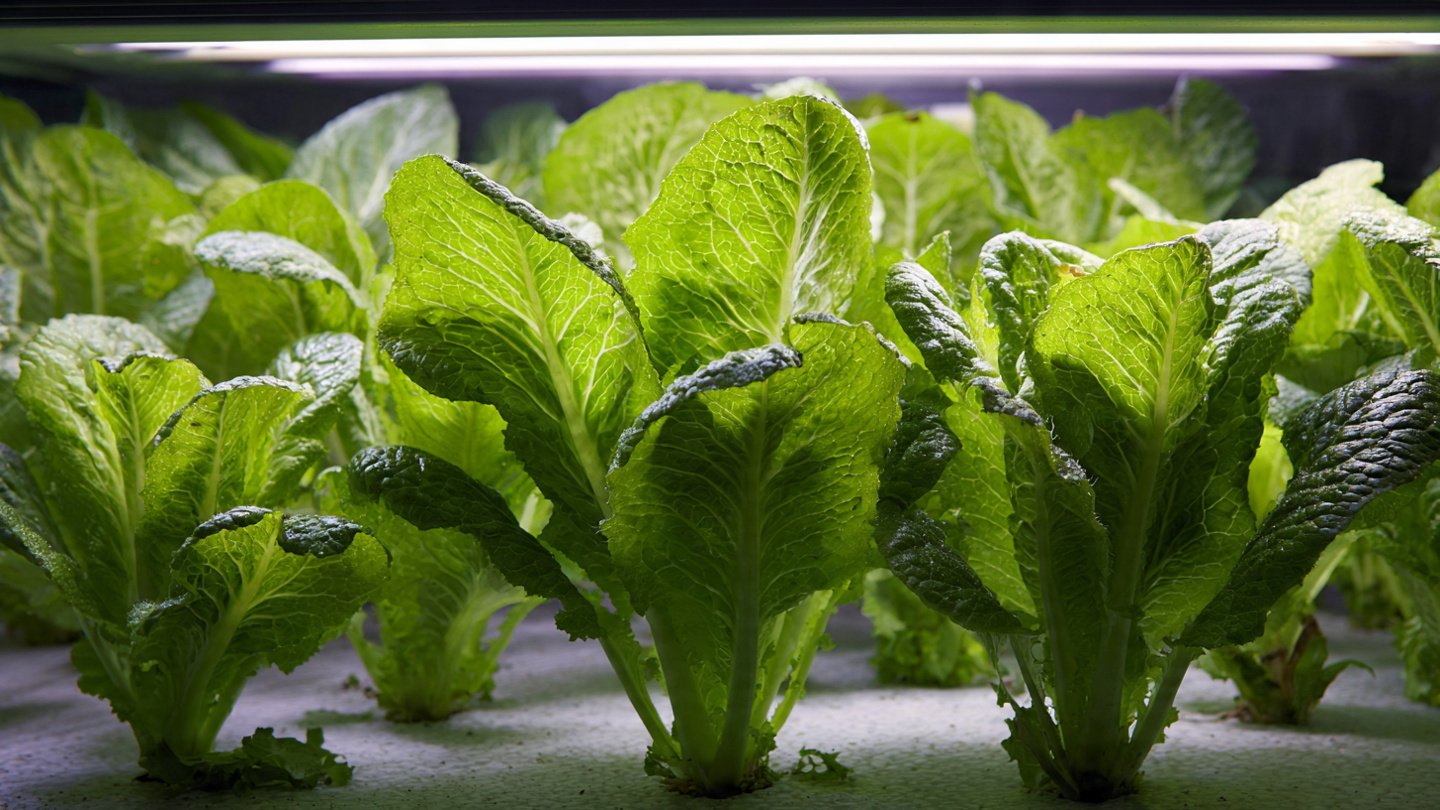
Growing your own food at home, especially indoors, presents a unique opportunity to enjoy fresh produce while avoiding trips to the grocery store. Among the easiest vegetables to grow indoors is romaine lettuce. This crisp, leafy green is not only nutritious but also versatile in various dishes, especially salads. In this article, we’ll guide you through the steps of successfully growing romaine lettuce indoors and provide answers to frequently asked questions.
Why Grow Romaine Lettuce Indoors?
Romaine lettuce is a popular choice for indoor gardening for several reasons:
Latest Posts
- A Comprehensive Guide to Successfully Growing Grape Vines in Your Backyard for Beginners and Experts Alike
- Best Tips for Successful Mango Growth in Containers
- Discover the Simple Steps for Successfully Growing Coriander in a Pot
- Discovering the Ultimate Guide to Growing African Violets from Leaf Cuttings
- Simple Techniques for Successfully Growing Seedless Grapes in Home Gardens
- Ultimate Guide to Growing Balsam Plants Naturally for Vibrant Blooms
- Discover the Secrets to Growing Lush Leek Leaves with Simple Hacks for Beginners
- How to Successfully Cultivate Sweet Cherries in the Unique Climate of Canada
- The Ultimate Guide to Successfully Growing Beautiful Succulent Garden Plants at Home
- A Comprehensive Guide to Growing Dhania from Seeds for Beginners
-
Nutritional Benefits: Romaine is rich in vitamins A, C, and K, along with essential minerals like calcium and potassium.
-
Space Efficiency: It requires minimal space and can thrive in smaller containers.
-
Quick Growth: Romaine lettuce grows relatively quickly; you might be able to harvest it in about 30 to 60 days.
-
Year-Round Freshness: Growing indoors allows you to enjoy fresh lettuce regardless of the season.
Choosing the Right Variety
When selecting romaine lettuce seeds, choose varieties specifically suited for indoor growing. Some popular options include:
-
Paris Island Cos: A hardy variety that grows well indoors and produces crunchy leaves.

-
Buttercrunch: This is a tender variety that offers a slightly sweeter flavor.
You can find seeds at local garden centers or through online retailers.
Essential Supplies for Indoor Growing
To successfully grow romaine lettuce indoors, you’ll need the following supplies:
1. Containers
Choose containers that are at least 6-8 inches deep with drainage holes. You can use plastic pots, clay pots, or even recycled containers, as long as they allow for proper drainage.
2. Soil
Using high-quality, all-purpose potting mix is essential for healthy growth. Avoid garden soil, as it can contain pests and diseases.
3. Light Sources
If you don’t have sufficient natural light, consider using grow lights. Romaine lettuce requires about 12-16 hours of light per day.LED grow lights are energy-efficient and provide the necessary spectrum for plant growth.
4. Watering Can
A watering can with a spout will help you control the amount of water you provide to your lettuce.

5. Fertilizer
Tomato or vegetable fertilizers designed for container plants can support your lettuce’s growth. Look for a balanced mix with equal parts nitrogen, phosphorus, and potassium.
Steps to Grow Romaine Lettuce Indoors
Step 1: Germination
-
Sow Seeds: Fill your containers with potting soil, leaving about an inch of space at the top. Sow the seeds about every few inches in rows and cover them lightly with soil.
-
Watering: Mist the soil gently using a spray bottle to avoid washing away the seeds. Keep the soil evenly moist but not soggy.
-
Temperature: Ideal germination temperature is between 60-70°F (15-21°C). Keep the containers in a warm spot or use a heat mat under them.
-
Light: Once the seeds germinate and you see sprouts (usually within 7-14 days), move the containers under your grow lights or a sunny window.
Step 2: Thinning Seedlings
Once seedlings have developed their second set of true leaves, thin them out, keeping the healthiest plants. This ensures adequate spacing for each plant to grow.
Step 3: Watering Routine
Romaine lettuce likes consistently moist soil. Water your plants regularly, but ensure that you’re not overwatering. A good rule of thumb is to water when the top inch of soil feels dry to the touch.

Step 4: Fertilizing
Fertilize your lettuce every three to four weeks using a diluted liquid fertilizer according to package instructions. This provides vital nutrients and promotes healthy growth.
Step 5: Light Management
If using grow lights, adjust them to be about 2-4 inches above the plants, and move them higher as the plants grow. Ensure that they receive the recommended amount of light each day.
Step 6: Pest Management
Keep an eye out for pests such as aphids and spider mites. These can typically be managed with a mixture of water and a few drops of mild soap. Spray on affected areas to deter pests.
Step 7: Harvesting
You can start harvesting romaine lettuce once the leaves reach about 6-8 inches tall. Using scissors, cut the outer leaves first while leaving the inner leaves to continue growing. This method, known as “cut and come again,” allows for multiple harvests from the same plant.
Best Practices for Indoor Romaine Lettuce Growth
-
Air Circulation: Ensure proper air circulation around your plants to prevent mold and fungal diseases.
-
Rotate plants: If possible, rotate your containers periodically to ensure that all sides receive equal light.
-
Maintain Humidity: Increase humidity by placing a humidity tray filled with water and pebbles beneath the plants or by using a humidifier.
-
Harvest Regularly: Regular harvesting encourages continuous growth and prevents bolting (going to seed).

Troubleshooting Common Issues
1. Leggy Plants
If your lettuce is growing tall and spindly, it’s likely not getting enough light. Move it closer to your light source or increase the duration of light exposure.
2. Yellowing Leaves
Yellow leaves can indicate overwatering or nutrient deficiency. Ensure your watering routine is balanced and consider applying fertilizer.
3. Slow Growth
If your plants are growing slowly, check the soil’s moisture levels and ensure they’re getting enough light.
Frequently Asked Questions (FAQs)
Q1: Can I grow romaine lettuce in water instead of soil?
You can grow lettuce in water using a hydroponic system, but it requires specific nutrient solutions to ensure growth. Soil is the most straightforward method for beginners.
Q2: How often should I water my lettuce?
Generally, check the top inch of soil; if it feels dry, it’s time to water. This may mean watering every few days, depending on your climate and conditions.
Q3: Can I grow romaine lettuce without grow lights?

Yes, but only if you have a sufficiently bright south-facing window. However, grow lights can ensure consistent growth year-round, especially during winter months.
Q4: When is the best time to start growing romaine lettuce?
You can start anytime you want, but avoid extreme temperatures. Late winter or early spring is ideal for planting, as the ambient temperature is generally more favorable.
Q5: How do I store excess harvested lettuce?
Place harvested lettuce in a perforated plastic bag, and store it in the crisper drawer of your refrigerator. Ensure it’s dry to prevent wilting.
Q6: What pests are common when growing lettuce indoors?
Common indoor pests include aphids, spider mites, and whiteflies. Regularly inspect your plants and treat any infestations immediately.
Q7: How tall does romaine lettuce grow?
Romaine lettuce can grow to about 12-18 inches tall, depending on the variety and growing conditions.
Conclusion
Growing romaine lettuce indoors is achievable and rewarding. By following these steps and best practices, you can enjoy fresh, home-grown salads year-round. This sustainable approach not only enhances your meals but also offers a fulfilling gardening experience. Happy growing!