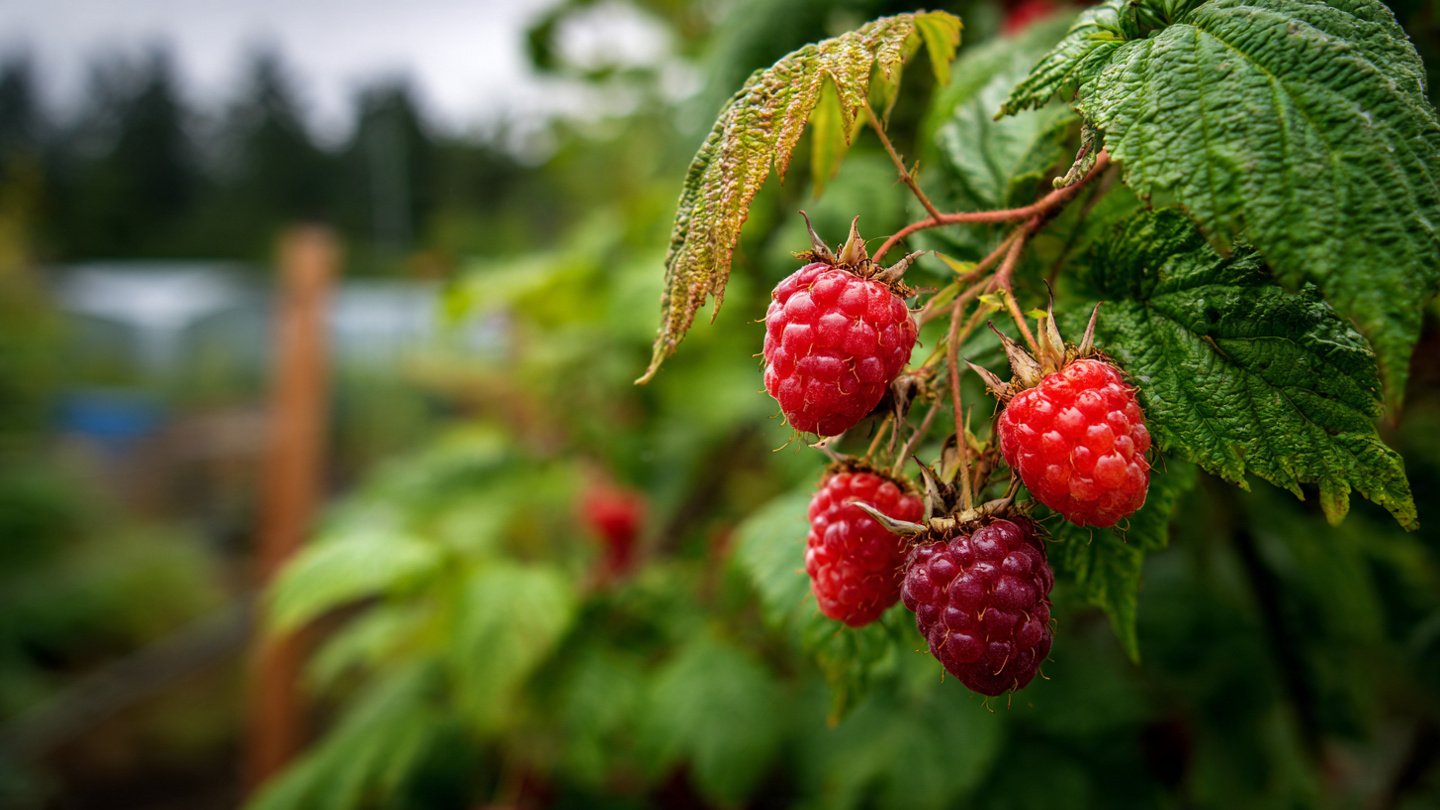
Growing raspberries can be a rewarding venture, especially in the diverse and varying climates found across Canada. With the right knowledge and strategies, gardeners can cultivate healthy, bountiful raspberry plants that thrive even in challenging conditions. This article will explore effective strategies for successfully growing raspberries in Canadian climates, from selecting the right varieties to pest control and harvesting techniques.
1. Selecting the Right Raspberry Varieties
The first step in successful raspberry cultivation is choosing varieties suited to your specific climate zone. Canada has multiple hardiness zones, and some raspberry varieties perform better in colder conditions than others.
Latest Posts
- A Comprehensive Guide to Successfully Growing Grape Vines in Your Backyard for Beginners and Experts Alike
- Best Tips for Successful Mango Growth in Containers
- Discover the Simple Steps for Successfully Growing Coriander in a Pot
- Discovering the Ultimate Guide to Growing African Violets from Leaf Cuttings
- Simple Techniques for Successfully Growing Seedless Grapes in Home Gardens
- Ultimate Guide to Growing Balsam Plants Naturally for Vibrant Blooms
- Discover the Secrets to Growing Lush Leek Leaves with Simple Hacks for Beginners
- How to Successfully Cultivate Sweet Cherries in the Unique Climate of Canada
- The Ultimate Guide to Successfully Growing Beautiful Succulent Garden Plants at Home
- A Comprehensive Guide to Growing Dhania from Seeds for Beginners
a. Summer-Bearing vs. Ever-Bearing
There are two main types of raspberries: summer-bearing and ever-bearing.
-
Summer-bearing raspberries produce fruit once a year, typically in mid-summer. They tend to yield larger fruits and are often favored for fresh eating.
-
Ever-bearing raspberries (or fall-bearing) bear fruit in late summer and again in the fall. They tend to produce smaller fruit but may offer extended harvesting periods, which can be beneficial for gardeners looking for a longer season.
Recommended Varieties for Canada:
- Summer-Bearing: ‘Nova’, ‘Boyne’, and ‘Latham’
- Ever-Bearing: ‘Fall Red’, ‘Heritage’, and ‘Raspberry Shortcake’ (a dwarf variety that grows well in containers)
Choosing varieties that are disease-resistant and local to your region can greatly improve your success rate.

2. Site Selection and Preparation
Raspberries thrive in sites that provide optimal sunlight and well-drained soil.
a. Sunlight
Select a location that receives at least 6-8 hours of direct sunlight daily. Selective shading can help protect plants from the harshest afternoon sun, but too little light can inhibit growth and fruiting.
b. Soil Requirements
Raspberries prefer:
- Well-drained soil: Ensure water does not pool around the roots, as this can lead to root rot. Adding organic matter like compost can improve drainage.
- pH Level: Aim for a soil pH between 5.5 and 6.5. Conduct a soil test to determine the current pH and amend it if necessary.
c. Preparing the Bed
Before planting, prepare the bed by tilling the soil to a depth of about 12 inches. Remove weeds, rocks, and debris. Incorporate organic matter to enrich the soil and enhance its structure.
3. Planting Techniques
Raspberry plants can be planted in early spring or late fall, depending on regional climate conditions.
a. Planting Depth and Spacing
- Depth: Plant raspberry canes so that the crown is at soil level. Burying them too deep can suffocate the burgeoning roots.
- Spacing: Space plants about 18-24 inches apart within rows, letting rows be spaced at least 3-4 feet apart. This spacing allows for air circulation and ease of maintenance.

b. Watering
Water newly planted raspberries thoroughly to help them establish roots. During the first growing season, keep the soil consistently moist but not saturated. A drip irrigation system can be beneficial to provide consistent moisture.
4. Pruning for Health and Productivity
Proper pruning is crucial for maintaining plant health and maximizing berry yield.
a. When to Prune
- Summer-Bearing Raspberries: After harvest, remove canes that produced fruit to focus energy on new cane growth.
- Ever-Bearing Raspberries: For fall-bearing types, pruning can be done in late winter or early spring. Cut the entire plant to the ground to promote vigorous new growth.
b. Training Canes
Utilize trellising systems to support the canes and keep fruit off the ground. This not only improves air circulation but also reduces disease incidence. Various trellis methods include single-wire trellises and post-and-wire systems.
5. Disease and Pest Management
Like any garden crop, raspberries are susceptible to various pests and diseases. Managing these threats requires vigilance and proactive strategies.
a. Common Pests
- Spider Mites: These tiny pests thrive in dry conditions. Increase humidity through watering or misting and consider using horticultural oils to manage infestations.
- Japanese Beetles: Hand-picking and using traps can reduce their numbers.

b. Common Diseases
- Botrytis Fruit Rot: This fungal disease can affect berries during wet conditions. Improve air flow through spacing and pruning, and remove any affected fruit immediately.
- Powdery Mildew: This fungal ailment can be minimized through proper watering techniques, avoiding overhead watering, and using resistant varieties.
c. Organic Pest Control Options
Consider introducing beneficial insects like ladybugs and lacewings, which feed on aphids and other pests. Additionally, organic sprays like neem oil can provide a natural pest control solution without harming the plants.
6. Fertilization and Nutrient Management
Fertilizing raspberries appropriately is crucial for promoting vigorous growth and abundant fruit production.
a. Initial Fertilization
Incorporate well-rotted manure or compost during the planting process to provide essential nutrients.
b. Ongoing Fertilization
- Nitrogen Levels: In the early spring, apply a balanced organic fertilizer that is high in nitrogen to encourage robust growth. Look for fertilizer formulations with an N-P-K ratio suitable for berry plants.
- Monitoring Features: Regularly check the foliage for signs of nutrient deficiencies. Yellowing leaves may indicate a need for more nitrogen.
7. Harvesting Techniques
Knowing when and how to harvest raspberries can maximize your yield and ensure the berries are delicious.
a. Timing the Harvest

- Ripe berries will be fully colored and slightly soft to the touch. The best time to harvest is in the early morning when temperatures are cooler.
b. Harvesting Method
Gently twist the berry to remove it from the stem. Be careful not to squeeze the fruit, as raspberries are delicate and can be easily damaged.
c. Best Practices for Collection
Collect berries in shallow containers to prevent crushing. Store harvested berries in a cool place, ideally in a single layer to maintain freshness.
8. Winter Preparation
In many Canadian regions, winter can be harsh on raspberry plants. Proper winter preparation is essential for their survival.
a. Mulching
Cover the base of the plants with several inches of mulch to protect roots from freezing. Straw, shredded leaves, or wood chips work well as insulating mulches.
b. Pruning Before Winter
Prune canes to remove any dead or diseased wood before the first hard frost. This will help reduce the risk of diseases overwintering and affecting new growth in the spring.
9. FAQs about Growing Raspberries in Canada
Q1: How long does it take for raspberry plants to produce fruit?
A: Depending on the variety and growing conditions, raspberry plants can take about 1-2 years to start producing fruit.

Q2: Can I grow raspberries in pots or containers?
A: Yes, many raspberry varieties can be grown in pots, making them ideal for smaller spaces. Be sure to choose a container that is at least 15 gallons in size and provide adequate support for canes.
Q3: What is the best time to plant raspberries in Canada?
A: Early spring is generally the best time to plant raspberries, as this allows plants to establish roots before the growing season.
Q4: How do I know if my raspberries are ready for harvest?
A: Ripe raspberries will have a deep, uniform color and will easily detach from the stem when gently pulled.
Q5: What pests should I be aware of when growing raspberries?
A: Common pests include spider mites and Japanese beetles. Regular monitoring and employing organic pest management strategies can help control these issues.
Q6: How can I improve the winter hardiness of my raspberry plants?
A: Use mulching techniques to insulate roots and consider covering plants with burlap or fleece if extreme cold temperatures are expected.
Growing raspberries successfully in Canadian climates requires patience and care, but the rewards of sweet, tangy berries are well worth the effort. By following these strategies—from selecting the right varieties to managing pests and preparing for winter—gardeners can enjoy a fruitful raspberry harvest year after year. Happy gardening!