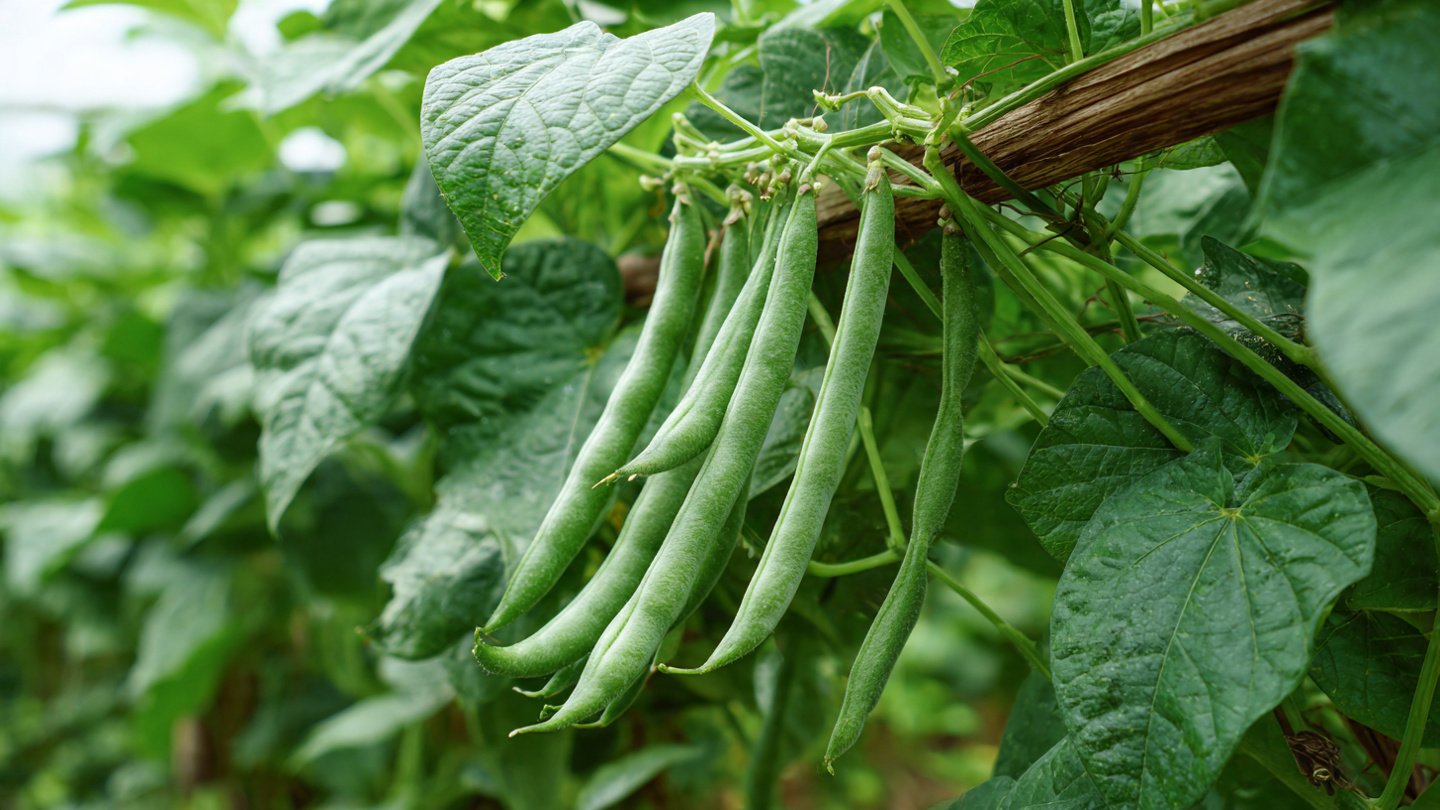
Cluster beans, scientifically known as Cyamopsis tetragonoloba, are an excellent addition to any backyard garden. These beans are not only nutritious but also beneficial for the soil, making them a preferred crop in various agricultural systems. If you’re keen on growing cluster beans, also known as guar, in your garden, this guide provides easy steps to get you started.
1. Understanding Cluster Beans
Cluster beans are native to the Indian subcontinent and are cultivated primarily in dry regions. The plant thrives in hot climates and is known for its heat and drought resistance. Besides being consumed as a vegetable, the gum extracted from the seeds has multiple industrial uses, including thickening agents in food and pharmaceuticals.
Latest Posts
- A Comprehensive Guide to Successfully Growing Grape Vines in Your Backyard for Beginners and Experts Alike
- Best Tips for Successful Mango Growth in Containers
- Discover the Simple Steps for Successfully Growing Coriander in a Pot
- Discovering the Ultimate Guide to Growing African Violets from Leaf Cuttings
- Simple Techniques for Successfully Growing Seedless Grapes in Home Gardens
- Ultimate Guide to Growing Balsam Plants Naturally for Vibrant Blooms
- Discover the Secrets to Growing Lush Leek Leaves with Simple Hacks for Beginners
- How to Successfully Cultivate Sweet Cherries in the Unique Climate of Canada
- The Ultimate Guide to Successfully Growing Beautiful Succulent Garden Plants at Home
- A Comprehensive Guide to Growing Dhania from Seeds for Beginners
Nutritional Benefits
Cluster beans are rich in dietary fiber, proteins, vitamins, and minerals. They are low in calories and serve as a great addition to a balanced diet, enhancing digestive health and helping manage diabetes.
2. Preparing to Plant
Before you sow your seeds, it’s essential to prepare both yourself and your garden bed.
2.1. Choosing the Right Location
Select a spot in your garden that receives at least 6-8 hours of sunlight daily. Cluster beans prefer well-drained soil and can tolerate sandy or loamy soil types.

2.2. Soil Preparation
- Test Your Soil: Analyze the pH level and nutrient content. The ideal soil pH for cluster beans is between 6.0 and 7.5.
- Amend the Soil: If necessary, mix in organic matter like compost or well-rotted manure to improve soil fertility and structure.
- Tillage: Turn the soil to a depth of about 12 inches (30 cm) and break up any large clumps.
3. Planting Cluster Beans
3.1. Seed Selection
Purchase high-quality seeds from a reputable source. Look for varieties that are suited to your region and have a good reputation for yield and disease resistance.
3.2. Sowing the Seeds
- Timing: Plant your cluster beans at the beginning of the spring season, as they prefer warm temperatures to germinate.
- Spacing: Sow seeds about 1 inch (2.5 cm) deep and space them 2-4 inches (5-10 cm) apart in rows that are at least 2 feet (60 cm) apart.
- Watering: Water the seeds gently after planting to settle the soil around them without washing them away.
3.3. Thinning
Once seedlings emerge, thin them out to avoid overcrowding. Maintain a distance of 4-6 inches (10-15 cm) between each plant to allow ample growth and airflow.
4. Caring for Your Cluster Beans
Successful growth depends on proper care throughout the growing season.
4.1. Watering
Cluster beans require moderate watering. During dry periods, ensure the plants receive at least an inch (2.5 cm) of water per week. Over-watering can lead to root rot, so make sure the soil drains well.
4.2. Fertilization
- Initial Fertilization: Use a balanced fertilizer at the time of planting. A ratio of 10-10-10 (N-P-K) is often recommended.
- Mid-season Boost: Apply additional fertilizer about halfway through the growing season to ensure continued growth, particularly if the plants appear to be stunted.
4.3. Pest and Disease Management
While cluster beans are relatively pest-resistant, you should still be vigilant:
- Common Pests: Watch for aphids, beetles, and caterpillars. Use organic insecticides or soap sprays if infestations occur.
- Diseases: Fungal diseases can be an issue in humid conditions. Ensure proper spacing for airflow and avoid overhead watering.
4.4. Weeding
Regularly remove weeds to prevent competition for nutrients and water. Mulching around the plants can help suppress weed growth while retaining moisture.
5. Harvesting Cluster Beans
5.1. When to Harvest
Cluster beans are typically ready for harvest 60-90 days after planting, depending on the variety. Harvest when the pods are young, tender, and still green. If they start to turn yellow or brown, they may become too fibrous and tough.
5.2. How to Harvest
Use scissors or garden shears to cut the pods from the plant. Be gentle to avoid damaging the stems. Regular harvesting encourages the plant to produce more pods.
6. Post-Harvest Processing
6.1. Storing the Harvest

Fresh cluster beans can be stored in the refrigerator for up to a week. For longer storage, consider blanching them before freezing, which retains their color and nutrients.
6.2. Culinary Uses
Cluster beans can be used in a variety of dishes, including curries, stir-fries, and salads. Their unique flavor pairs well with spices, making them a versatile ingredient in many cuisines.
7. Environmental Benefits of Growing Cluster Beans
Growing cluster beans has advantages beyond your kitchen. They have the ability to fix nitrogen in the soil, which can improve soil health and reduce the need for chemical fertilizers in subsequent crop cycles.
FAQs about Growing Cluster Beans
Q1: Can I grow cluster beans in a container?
Answer: Yes, cluster beans can be grown in containers, provided the pot is at least 12 inches (30 cm) deep and wide to accommodate root growth.
Q2: How often should I water cluster beans?
Answer: Water cluster beans once a week during dry spells. Ensure the top few inches of soil are dry before watering again to avoid over-saturation.

Q3: What climate is best for growing cluster beans?
Answer: Cluster beans thrive in hot, dry climates. They grow best in temperatures ranging from 70°F to 95°F (21°C to 35°C).
Q4: Are there any pests I should be aware of?
Answer: Yes, common pests include aphids and beetles. Regularly inspect your plants and use organic methods to control infestations as needed.
Q5: Can cluster beans be grown year-round?
Answer: In warmer climates, cluster beans can be grown year-round. However, in regions with cold winters, it’s best to plant them in the spring.
Q6: How do I know when to harvest them?
Answer: Harvest cluster beans when the pods are young, tender, and still green, typically 60-90 days after planting.
Conclusion
Growing cluster beans in your backyard garden can be a rewarding experience. With the right preparation, care, and attention, you can enjoy this nutritious crop while contributing positively to your garden’s ecosystem. Whether you use them in your favorite dishes or as a soil enhancer for future crops, cluster beans are a great choice for any home gardener. Happy gardening!