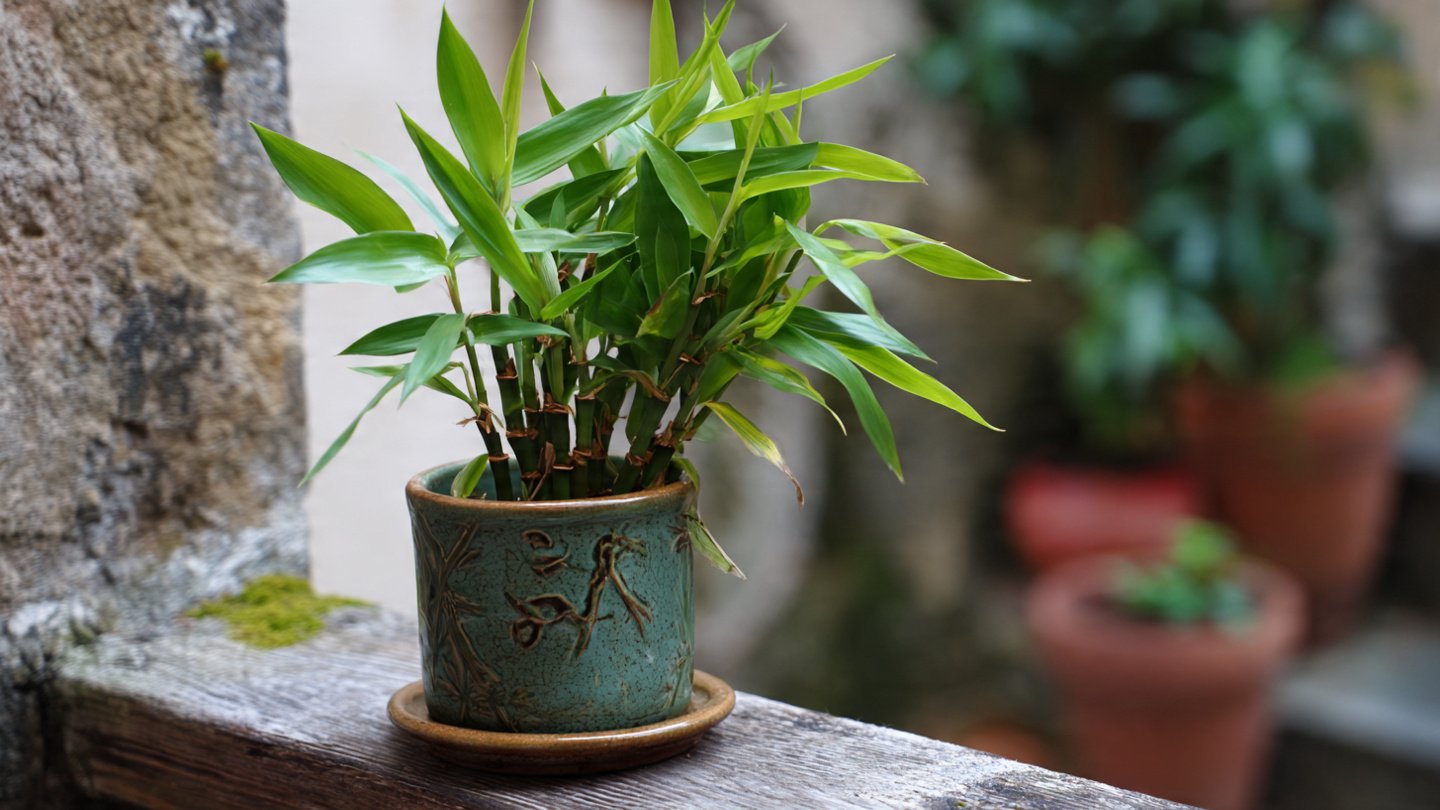
Lucky bamboo, scientifically known as Dracaena sanderiana, is a popular indoor plant believed to bring good fortune and prosperity. However, many gardening enthusiasts are now exploring ways to cultivate this resilient plant outdoors. If you’re looking to grow lucky bamboo outside, you might be wondering how to keep it thriving through changing seasons. In this article, we’ll delve into effective hacks for successfully growing lucky bamboo outdoors year-round, discuss environmental conditions it prefers, and provide care tips to ensure your plants flourish.
Understanding Lucky Bamboo
Origins and Symbolism
Latest Posts
- A Comprehensive Guide to Successfully Growing Grape Vines in Your Backyard for Beginners and Experts Alike
- Best Tips for Successful Mango Growth in Containers
- Discover the Simple Steps for Successfully Growing Coriander in a Pot
- Discovering the Ultimate Guide to Growing African Violets from Leaf Cuttings
- Simple Techniques for Successfully Growing Seedless Grapes in Home Gardens
- Ultimate Guide to Growing Balsam Plants Naturally for Vibrant Blooms
- Discover the Secrets to Growing Lush Leek Leaves with Simple Hacks for Beginners
- How to Successfully Cultivate Sweet Cherries in the Unique Climate of Canada
- The Ultimate Guide to Successfully Growing Beautiful Succulent Garden Plants at Home
- A Comprehensive Guide to Growing Dhania from Seeds for Beginners
Lucky bamboo is native to central Africa and is commonly associated with Feng Shui practices. It’s revered for its simplicity and adaptability, making it a favorite among both novice and experienced gardeners. It is not actually bamboo but a type of Dracaena, which is a genus of about 120 species of trees and succulent shrubs.
In Feng Shui, lucky bamboo is thought to bring good luck, health, and prosperity. The number of stalks in a arrangement conveys different meanings: two stalks symbolize love, three signifies happiness, and five represents health.
Growing Conditions
Even though lucky bamboo is typically grown indoors, it can thrive outdoors if the right conditions are met. Here’s what you should consider:
- Temperature: Lucky bamboo thrives in temperatures between 60–80°F (15–27°C). It can survive short bouts of colder temperatures but prolonged exposure to frost can be harmful.
- Light: While it prefers indirect sunlight, lucky bamboo can tolerate partial shade. Too much direct sunlight can scorch its leaves.
- Humidity: High humidity is ideal for growth. Outdoor conditions often have varying humidity levels, so it’s essential to monitor this.
Choosing the Right Location

Finding the ideal location for your lucky bamboo outdoors is crucial for successful growth. Here are a few important aspects to consider:
- Protection from Elements: Choose a location that provides some protection from harsh elements like strong winds and direct sunlight. An area with dappled sunlight or partial shade is ideal.
- Drainage: Ensure that the soil is well-drained. Lucky bamboo roots are susceptible to rot if left in waterlogged soil. You can create a raised bed to facilitate better drainage.
- Access to Water: Lucky bamboo requires consistent moisture, so choose a spot near a water source or where you can easily manage watering.
Preparing the Soil
The soil in which you plant your lucky bamboo plays a significant role in its growth. Here’s how to prepare the soil:
- Soil Type: Lucky bamboo prefers a well-draining, loamy soil rich in organic matter. A mix of potting soil, peat, and perlite can create an ideal medium.
- Testing pH Levels: The ideal pH level for lucky bamboo is between 6.0 and 7.0. You can easily test your soil using a pH testing kit available at garden centers.
- Enriching the Soil: Incorporate compost to add nutrients, which can help support robust growth.
Planting Lucky Bamboo Outdoors
Once you’ve chosen the right location and prepared your soil, it’s time for planting. Follow these steps to ensure a successful planting:
- Select Healthy Stalks: Choose healthy bamboo stalks without yellowing leaves or signs of rot. Look for stalks that are firm and vibrant in color.
- Spacing: Space the stalks at least 4 to 6 inches apart to allow for ample growth and airflow.
- Plant Depth: Dig a hole twice as wide and as deep as the root ball of each stalk. Partially fill it with soil, place the stalk in, and top it off with your soil mix.
- Watering: Once planted, water thoroughly but avoid making the soil soggy.

Essential Care Tips
Watering
Consistent watering is essential for growing lucky bamboo outdoors. Unlike other plants, you should aim to keep the soil slightly moist but never soggy.
- Frequency: Check the soil every few days, especially during warmer months. Water when the top inch of soil feels dry. Adjust frequency based on seasonal weather patterns.
- Water Quality: If possible, use filtered or distilled water as lucky bamboo can be sensitive to chemicals such as chlorine and fluoride often found in tap water.
Fertilization
To promote healthy growth, fertilizing your lucky bamboo periodically is beneficial:
- Type of Fertilizer: Use a diluted, balanced liquid fertilizer, such as a 20-20-20 formula. Avoid over-fertilizing, as this can cause yellowing leaves.
- Application Schedule: Fertilize every 4-6 weeks during the growing season (spring and summer). Reduce or halt fertilization in the fall and winter when the plant goes dormant.

Pruning
Regular pruning helps keep your lucky bamboo healthy and encourages new growth:
- When to Prune: Spring is the best time to prune, as the plant is entering its active growth phase.
- How to Prune: Use clean scissors or pruning shears to cut away any yellowing or damaged leaves, and to trim stalks to achieve your desired height or shape.
Protecting Against Pests and Diseases
While lucky bamboo is relatively pest-resistant, it can still fall victim to pests such as aphids or spider mites, especially in outdoor conditions. Here are some preventive measures:
- Regular Checks: Inspect your plants regularly for signs of pests or diseases. Early detection can make a considerable difference.
- Organic Solutions: Use organic insecticidal soap or neem oil to treat infestations. Be sure to follow the application instructions and test on a small area first.
Winter Care
In regions where winters are particularly harsh, some additional care is necessary to protect your lucky bamboo:
- Mulching: Apply a layer of mulch around the base to help insulate the roots and retain moisture.
- Covering Plants: If temperatures are expected to drop significantly, consider covering your lucky bamboo with frost cloth or bringing potted plants indoors until the frost has passed.

Container Gardening
If you live in an area with particularly cold winters or want more flexibility, container gardening is an excellent option for outdoor lucky bamboo. Here’s how to go about it:
- Choose the Right Container: Ensure the container has drainage holes to avoid water retention and root rot.
- Repotting: Plan to repot your bamboo every couple of years as it grows. Use fresh soil to replenish nutrients.
- Mobility: One of the main advantages of container gardening is that you can bring the plants indoors during harsh weather, protecting them from frost.
Conclusion
Growing lucky bamboo outdoors can be a rewarding endeavor, bringing not just aesthetic beauty but also positive energy into your space. By providing the right conditions, proper care, and protection, you’ll be well on your way to cultivating a thriving outdoor garden of lucky bamboo. Remember that patience is key, and with consistent attention, you’ll enjoy the many benefits this versatile plant has to offer.
FAQs
1. Can lucky bamboo grow in full sunlight?
No, lucky bamboo prefers indirect sunlight. Full sunlight can scorch its leaves.
2. How often should I water lucky bamboo?
Water regularly to keep the soil slightly moist but ensure it’s not soggy. Check the top inch of soil; if dry, it’s time to water.

3. Is lucky bamboo toxic to pets?
Lucky bamboo is considered non-toxic to pets, but it’s always good to avoid letting pets chew on plants out of caution.
4. How can I prevent my lucky bamboo from getting pests?
Regularly inspect your plants and maintain good air circulation. If pests are detected, treat with organic solutions like insecticidal soap or neem oil.
5. Can lucky bamboo survive winter outdoors?
Lucky bamboo can survive light frost, but it’s best to bring potted plants indoors during harsh winter months to prevent damage.
With these insights, you’re equipped to cultivate your lucky bamboo outdoors successfully, bringing a touch of luck and prosperity to your garden!