Introduction
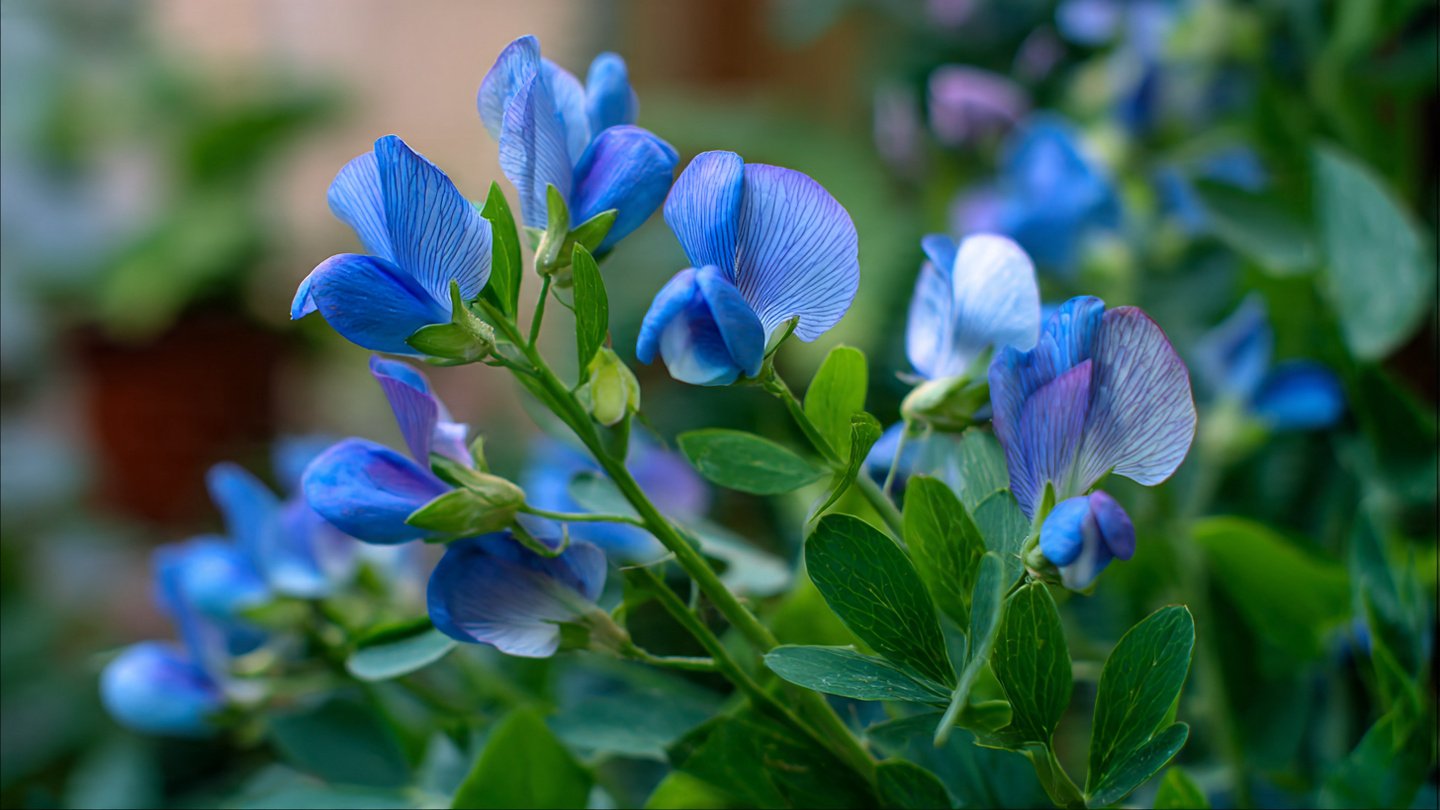
Gardening can be an incredibly rewarding hobby. Among the many plants that you can cultivate at home, the Blue Pea Aparajita (Clitoria ternatea) stands out due to its stunning blue flowers and a range of health benefits. This tropical plant, also called butterfly pea, is not only beautiful but also easy to grow, making it a great choice for beginners. In this article, we will explore the best practices to grow Blue Pea Aparajita in your home garden, including soil requirements, watering methods, sunlight, and additional care tips.
Understanding the Blue Pea Aparajita
Latest Posts
- A Comprehensive Guide to Successfully Growing Grape Vines in Your Backyard for Beginners and Experts Alike
- Best Tips for Successful Mango Growth in Containers
- Discover the Simple Steps for Successfully Growing Coriander in a Pot
- Discovering the Ultimate Guide to Growing African Violets from Leaf Cuttings
- Simple Techniques for Successfully Growing Seedless Grapes in Home Gardens
- Ultimate Guide to Growing Balsam Plants Naturally for Vibrant Blooms
- Discover the Secrets to Growing Lush Leek Leaves with Simple Hacks for Beginners
- How to Successfully Cultivate Sweet Cherries in the Unique Climate of Canada
- The Ultimate Guide to Successfully Growing Beautiful Succulent Garden Plants at Home
- A Comprehensive Guide to Growing Dhania from Seeds for Beginners
Characteristics
The Blue Pea plant is a perennial vine that can grow up to three meters long. Its vibrant blue flowers bloom throughout the year, depending on the climate, and are often used in traditional medicine. The flowers are not only visually appealing but also edible, making them a fantastic addition to your garden.
Uses
In addition to its aesthetic value, the Blue Pea plant has several uses:
- Culinary: The flowers can be used for coloring rice, desserts, and beverages.
- Medicinal: It is believed to have various health benefits, including anti-inflammatory properties, and promoting brain health.
- Natural Dye: The vibrant blue pigment from the flowers can be used as a natural dye for fabrics and food.
Getting Started: Seeds and Sow Time
Choosing the Right Seeds
To grow Blue Pea Aparajita successfully, start with high-quality seeds. Look for seeds from a reputable source to ensure better germination and plant health. Seeds are often available from local nurseries or online gardening stores.

When to Sow
The best time to plant Blue Pea in most regions is during the warmer months, typically in the spring or early summer when the risk of frost has passed.
Pre-Sowing Preparation
- Seed Soaking: For better germination, soak the seeds in water for 24 hours before sowing. This helps to soften the hard outer shell of the seed.
- Soil Preparation: Prepare the soil by loosening it and mixing in organic compost. This enhances the soil structure and provides essential nutrients.
Soil Requirements
Blue Pea Aparajita thrives in well-draining soil that is rich in organic matter. Here’s what you need to consider:
- pH Level: The ideal soil pH is between 6.0 and 7.0. Test your soil using a pH testing kit and adjust if necessary.
- Drainage: Ensure that your garden bed or pots have adequate drainage holes to prevent waterlogging.
- Nutrient-Rich: Mixing compost or manure helps provide the essential nutrients needed for healthy growth.
Sunlight Requirements
Aparajita thrives best in full sunlight, requiring at least 6-8 hours of direct sunlight each day. When selecting a location:
- Choose a Sunny Spot: Look for areas of your garden that receive ample sunlight throughout the day.
- Consider Shade Tolerance: While it prefers sun, it can tolerate partial shade, especially during the hottest parts of the day.
Planting Blue Pea Aparajita
Direct Seeding vs. Transplanting
- Direct Seeding: Plant the seeds directly in the garden about 2-3 cm deep and spaced 15-30 cm apart. Water thoroughly after planting.
- Transplanting: If starting seedlings indoors, transplant them outside once they are about 10 cm tall. Be careful not to disturb the roots.
Care after Planting
- Watering: Water the plants regularly, allowing the top inch of soil to dry between watering sessions. Avoid waterlogging, as it can lead to root rot.
- Mulching: Add a layer of organic mulch around the base of the plant to retain moisture and suppress weeds.
- Support Structure: Since Blue Pea is a climbing plant, provide a trellis or support for it to climb. This can be as simple as a wooden stake or a more elaborate trellis system.
Fertilization and Pest Control
Fertilization
Aparajita is a relatively low-maintenance plant when it comes to fertilization, but applying a balanced fertilizer during the growing season can enhance blooming:
- Types of Fertilizers: Opt for organic options like compost tea or fish emulsion. Avoid over-fertilizing, as this can lead to excessive foliage growth at the expense of flowers.
- Frequency: Fertilize every 4-6 weeks during the growing season.
Pest Control
While Blue Pea is generally pest-resistant, it’s always good to monitor the plant for common pests like aphids and spider mites:
- Natural Pest Control: Use neem oil or insecticidal soap as natural pest control methods. Always test on a small area first to ensure it won’t harm the plant.
Harvesting and Using Blue Pea Flowers
When to Harvest
The flowers of the Blue Pea plant can be harvested as soon as they bloom. Look for vibrant, fully open flowers for the best flavor and appearance.
How to Harvest
- Picking: Gently pluck the flowers off the plant. Do this in the morning when the flowers are at their most vibrant.
- Storage: Use fresh flowers immediately, or store them in the refrigerator for short-term use. You can also dry the flowers for later use in teas or cooking.
Culinary Uses
Blue Pea flowers are versatile and can be used in various recipes:
- Blue Rice: Boil the flowers in water, strain, and use the blue liquid to cook rice for a vibrant dish.
- Teas and Beverages: Brew the flowers in hot water for a fragrant herbal tea or use them to create colorful cocktails.
- Desserts: Incorporate the flowers into cakes or jellies for a unique touch.
Winter Care and Persistence
Preparing for Winter
In colder climates, Blue Pea might not survive the winter. Here are some tips for winter care:
- Container Planting: If grown in pots, bring them indoors before the first frost.
- Mulching: In the garden, add a thick layer of mulch to protect the roots.
Potential for Replanting
While Blue Pea is traditionally grown as a perennial, in many regions it is treated as an annual due to frost. If you want to ensure continuous blooming, consider replanting seeds each year.
Conclusion
Growing Blue Pea Aparajita can be an enriching experience for any beginner gardener. With its stunning blue flowers, nutritional benefits, and ease of care, this plant can add beauty and value to your home garden. By following the steps outlined in this article, you’ll be well on your way to cultivating your own Blue Pea vines, ensuring you enjoy their beauty and benefits for years to come.
FAQs Section
1. Can Blue Pea Aparajita be grown indoors?
Yes, Blue Pea can be grown indoors as long as it receives adequate sunlight. Use a pot with good drainage and place it near a sunny window.
2. How long does it take for Blue Pea seeds to germinate?
Germination usually takes about 7-14 days under optimal conditions. Be patient and ensure the soil is kept moist but not soggy.
3. Is the Blue Pea plant invasive?
While the Blue Pea plant can spread rapidly, it is not considered deeply invasive. Regular maintenance can keep it under control.
4. Can I use the flowers for dyeing fabrics?
Absolutely! The vibrant blue pigment can be used as a natural dye for textiles. Be sure to test on a small piece first.
5. Are there any side effects of consuming Blue Pea flowers?
Generally, Blue Pea flowers are safe to consume. However, if you are pregnant, breastfeeding, or have specific allergies, consult a healthcare provider.
6. How do I propagate Blue Pea Aparajita?
You can propagate Blue Pea through cuttings or seeds. For cuttings, take a healthy vine and plant it directly in the soil.
By following these guidelines and tips, you can successfully grow and enjoy the beauty of Blue Pea Aparajita in your home garden. Happy gardening!