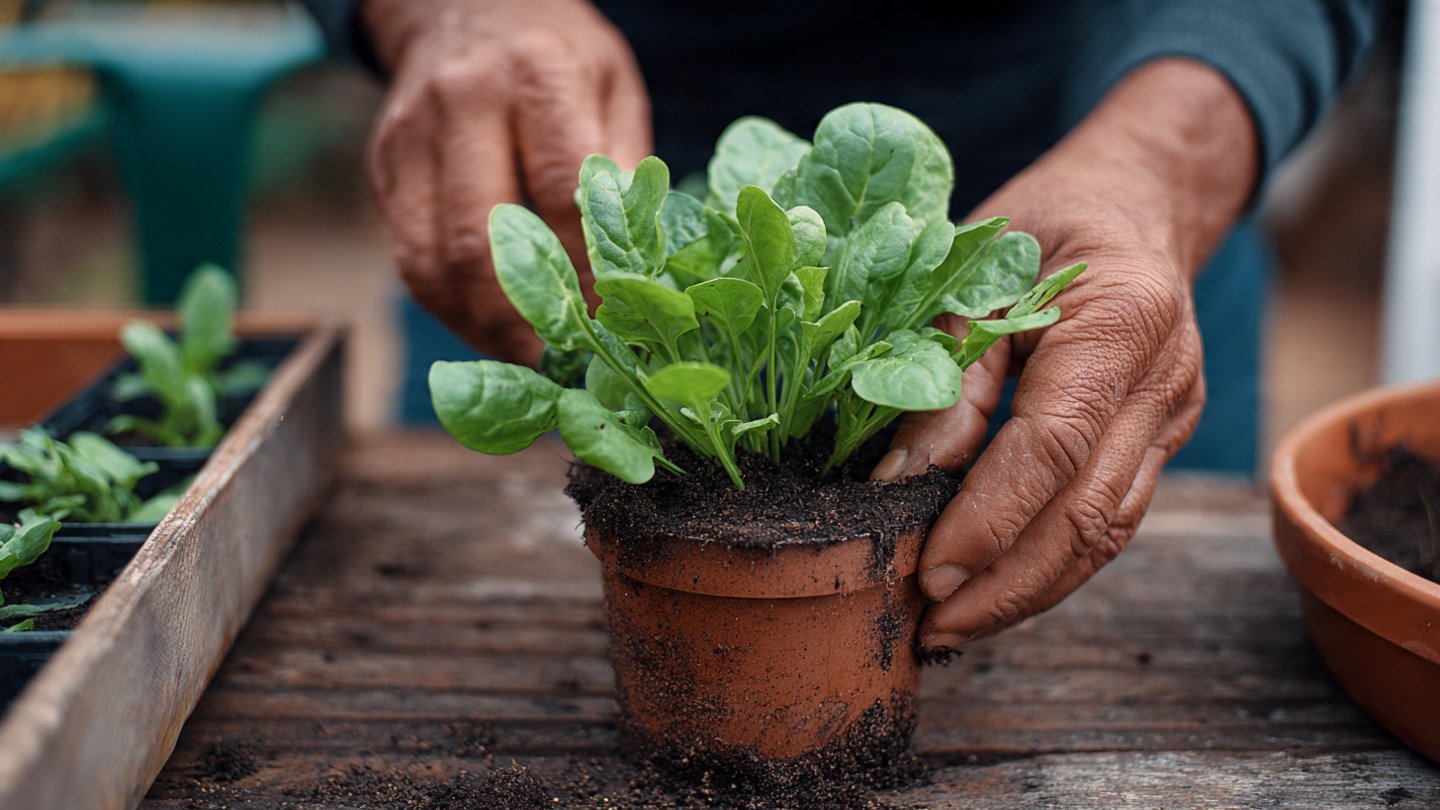
Gardening is a rewarding hobby that not only allows you to connect with nature but also provides fresh produce right from your home. One of the easiest and most nutritious plants to grow in pots is spinach. With its rich nutrient profile and versatility in the kitchen, spinach is a favorite among many gardeners. In this article, we will explore the best tricks to successfully grow spinach in pots, providing you with the confidence to cultivate this leafy green in your own home.
Why Grow Spinach in Pots?
Growing spinach in pots has numerous advantages:
Latest Posts
- A Comprehensive Guide to Successfully Growing Grape Vines in Your Backyard for Beginners and Experts Alike
- Best Tips for Successful Mango Growth in Containers
- Discover the Simple Steps for Successfully Growing Coriander in a Pot
- Discovering the Ultimate Guide to Growing African Violets from Leaf Cuttings
- Simple Techniques for Successfully Growing Seedless Grapes in Home Gardens
- Ultimate Guide to Growing Balsam Plants Naturally for Vibrant Blooms
- Discover the Secrets to Growing Lush Leek Leaves with Simple Hacks for Beginners
- How to Successfully Cultivate Sweet Cherries in the Unique Climate of Canada
- The Ultimate Guide to Successfully Growing Beautiful Succulent Garden Plants at Home
- A Comprehensive Guide to Growing Dhania from Seeds for Beginners
-
Space Efficiency: Pot gardening is ideal for those with limited yard space. Spinach can easily thrive in containers on patios, balconies, or even window sills.
-
Control: Containers allow for better control over soil quality, drainage, and nutrients. You can tailor the environment to meet the plant’s needs.
-
Mobility: Pots can be moved to take advantage of sunlight or to protect your plants from adverse weather.
-
Extended Growing Season: Container gardening often provides the flexibility to move plants indoors during cold weather, extending the growing season.
Choosing the Right Container
Selecting the right pot is crucial for successful spinach cultivation. Here’s what to consider:
-
Size: Spinach has a shallow root system, so a container with a depth of at least 6 to 8 inches is sufficient. However, if you want to grow a larger quantity, opt for a larger container (12-16 inches in diameter).

-
Material: Choose pots made from materials like terracotta, plastic, or wood. Each has its own pros and cons; for example, terracotta is breathable and often preferred, while plastic is lightweight and inexpensive.
-
Drainage: Ensure the pot has drainage holes at the bottom to prevent root rot. If your chosen container lacks drainage, consider using a layer of rocks or gravel at the bottom.
Soil Selection
The right soil mix is essential for healthy spinach growth. Here’s what to consider:
-
Quality Soil: Use a high-quality potting mix that retains moisture but also provides excellent drainage. A mix designed for vegetables is preferable.
-
pH Level: Spinach prefers slightly acidic to neutral soil with a pH between 6.0 and 7.0. You can test soil pH using a simple testing kit available at garden centers.
-
Nutrients: Incorporate organic matter such as compost or well-rotted manure into your potting mix. This will enhance soil fertility, providing essential nutrients for your spinach.
Sunlight Requirements
Spinach thrives with moderate sunlight. Here are some guidelines:
-
Location: Place your pot in a spot that receives at least 4-6 hours of sunlight daily. Early morning sun is particularly beneficial, as it helps dry the leaves and reduces the risk of fungal diseases.

-
Temperature: Spinach grows best in cool weather. The ideal temperature range is between 50°F and 70°F (10°C to 21°C). In hotter climates, consider providing partial shade or using shade cloth during the hottest parts of the day.
Planting Spinach Seeds
Once you have your container ready, it’s time to plant your spinach seeds:
-
Timing: Spinach can be grown in spring and fall. In many regions, late summer sowing can also yield a fall crop.
-
Sowing Seeds: Plant seeds about 1/2 inch deep and space them about 2-4 inches apart. If planting multiple seeds in one pot, consider thinning them once they germinate to avoid overcrowding.
-
Watering: Water the soil thoroughly after planting but avoid overwatering. The soil should be kept consistently moist, but not soggy.
Care and Maintenance
Taking care of your spinach plants involves regular monitoring and maintenance:
-
Watering: Spinach prefers evenly moist soil. Water it regularly, especially during dry spells. Check the top inch of soil for moisture before watering.
-
Fertilizing: Spinach benefits from a balanced fertilizer applied every few weeks. Look for a fertilizer that is high in nitrogen, which promotes green, leafy growth.
-
Mulching: Applying a layer of organic mulch (like straw or shredded leaves) can help retain moisture and suppress weeds.
-
Pest Management: Keep an eye out for common pests like aphids and snails. Organic pest control methods, such as neem oil or insecticidal soap, can be effective.
Harvesting Spinach
One of the most satisfying aspects of gardening is harvesting your produce. Here’s how to properly harvest spinach:
-
Timing: Spinach can be harvested about 6-8 weeks after planting, when the leaves are young and tender.
-
Method: To harvest, snip the outer leaves at the base instead of pulling the entire plant. This encourages new growth and allows further harvesting.
-
Frequency: Depending on the growing conditions, you can harvest spinach every few days. Regular harvesting will promote bushier growth.
Troubleshooting Common Issues
Even experienced gardeners encounter challenges. Here are some common problems and their solutions:
-
Bolting: Bolting occurs when spinach flowers in response to rising temperatures. To mitigate this, choose slow-bolting varieties or time your planting for cooler weather.

-
Yellowing Leaves: This can indicate nutrient deficiencies, usually nitrogen. Fertilizing can help remedy this.
-
Leaf Spot: This fungal disease can be minimized by ensuring good air circulation and not watering the leaves directly.
Bonus Tips for Successful Spinach Growing
-
Companion Planting: Spinach grows well alongside plants like radishes, carrots, and peas. These combinations can improve growth and deter pests.
-
Sow Successively: To ensure a continuous supply throughout the season, plant new seeds every two weeks until the weather becomes too warm.
-
Variety Selection: Consider trying different spinach varieties, such as ‘Bloomsdale’, which is known for its heat resistance, or baby leaf varieties which mature quickly and are perfect for small containers.
FAQs
1. How often should I water my spinach in pots?
Water your spinach whenever the top inch of soil feels dry. Generally, this may mean watering every 2-3 days, especially during hot weather.
2. Can I grow spinach indoors?
Yes! Spinach can thrive indoors as long as it receives sufficient light. Consider using grow lights if natural sunlight is limited.

3. What pests should I watch for when growing spinach?
Common pests include aphids, snails, and leaf miners. Monitor your plants regularly and use organic pest control methods as needed.
4. How do I know when to harvest spinach?
Harvest spinach when the leaves are full-sized, tender, and before they start to flower. Young, two to four leaves are perfect for picking.
5. What are the best spinach varieties for container gardening?
Some great options for pots include ‘Baby Leaf’, ‘Tyee’, and ‘Bloomsdale’. These varieties are known for their compact growth and resilience.
6. Can I grow spinach year-round?
In temperate climates, you can grow spinach year-round with the right variety. In colder climates, consider growing it indoors or using cold frames.
7. Is it too late to plant spinach in the summer?
Spinach can be planted in summer for a fall harvest, especially in cooler regions. Choose heat-resistant varieties for the best results.
Conclusion
Growing spinach in pots is a rewarding endeavor that can improve both your garden and your meals. By selecting the right container, soil, and care techniques, even novice gardeners can enjoy a bountiful spinach harvest. With these tips, you’ll be on your way to enjoying fresh, homegrown spinach in no time! Whether used in salads, smoothies, or cooked dishes, the versatility of spinach makes it a worthwhile addition to your gardening efforts. Happy gardening!