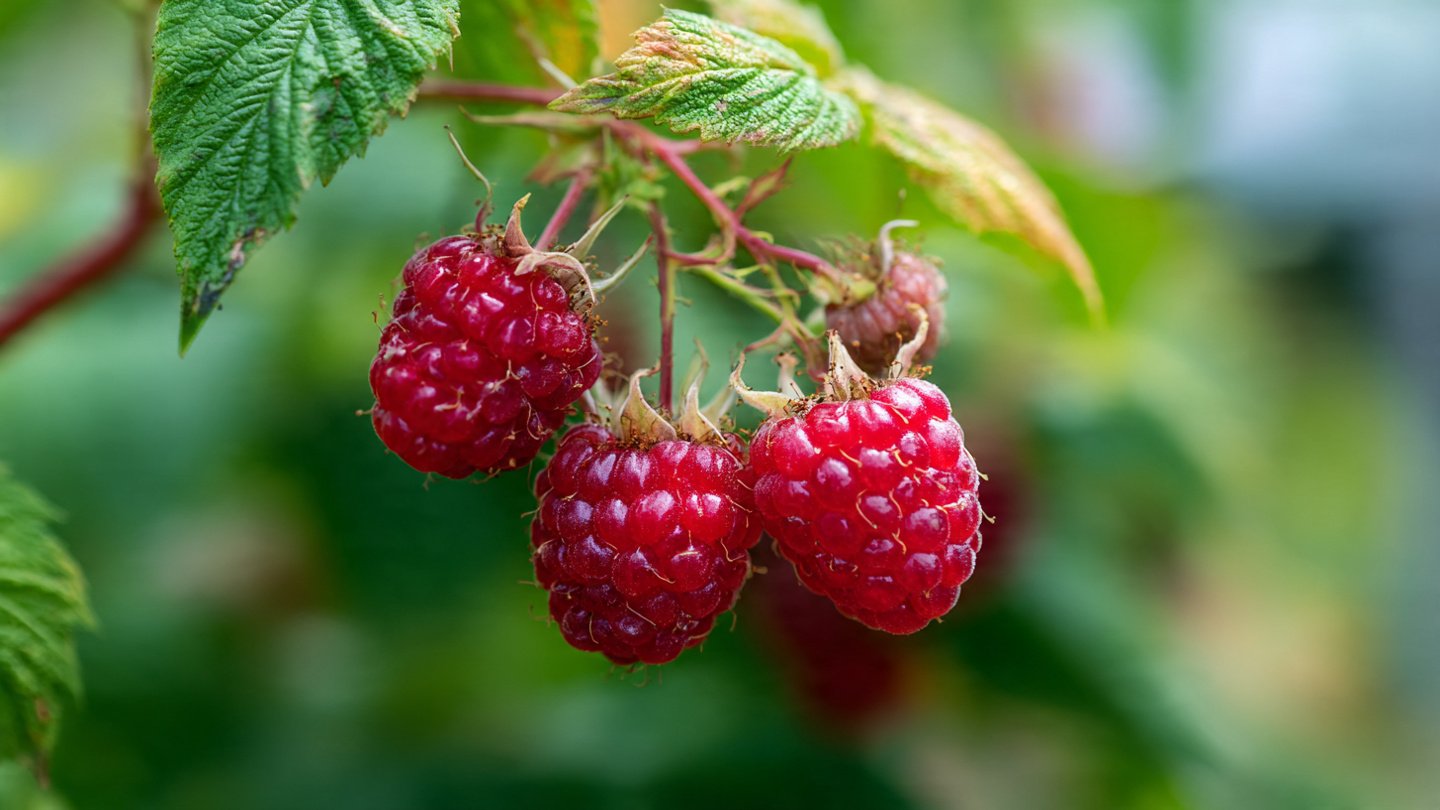
Growing red raspberries at home can be a rewarding experience, allowing you to enjoy fresh, juicy berries while also enhancing your gardening skills. This comprehensive guide provides a step-by-step approach to growing red raspberries, covering everything from selecting the right variety to planting, caring, and harvesting your homegrown fruit.
Why Grow Red Raspberries?
- A Comprehensive Guide to Successfully Growing Grape Vines in Your Backyard for Beginners and Experts Alike
- Best Tips for Successful Mango Growth in Containers
- Discover the Simple Steps for Successfully Growing Coriander in a Pot
- Discovering the Ultimate Guide to Growing African Violets from Leaf Cuttings
- Simple Techniques for Successfully Growing Seedless Grapes in Home Gardens
- Ultimate Guide to Growing Balsam Plants Naturally for Vibrant Blooms
- Discover the Secrets to Growing Lush Leek Leaves with Simple Hacks for Beginners
- How to Successfully Cultivate Sweet Cherries in the Unique Climate of Canada
- The Ultimate Guide to Successfully Growing Beautiful Succulent Garden Plants at Home
- A Comprehensive Guide to Growing Dhania from Seeds for Beginners
- Flavor: Freshly picked raspberries offer a burst of flavor that far surpasses anything store-bought.
- Health Benefits: Raspberries are rich in vitamins, minerals, and antioxidants, making them a nutritious choice.
- Sustainability: Growing your own fruit reduces your carbon footprint and reliance on commercial farming.
- Aesthetic Appeal: Raspberry plants add beauty to your garden with their delicate flowers and vibrant fruit.
Latest Posts
Selecting the Right Varieties
When starting your raspberry garden, it’s crucial to choose the right variety. Some popular red raspberry varieties include:
- Heritage: Known for its exceptional flavor and disease resistance, this variety is a favorite among home gardeners.
- Latham: Produces large, sweet berries and is known for its high yields.
- Caroline: An early-season variety that offers juicy berries and is adaptable to various climates.
Consider your local climate, soil type, and the time you can dedicate to gardening when making your selection.
Planting Red Raspberries

Best Time to Plant
The ideal time to plant raspberries is in early spring or late fall. This allows the plants to establish their root systems before the hot summer months or frigid winter cold.
Location and Soil Preparation
-
Choose the Right Location: Raspberries thrive in full sun (at least 6-8 hours a day) and well-draining soil. Avoid areas with heavy shade or waterlogged soil.
-
Soil Testing: Test your soil pH, which should be between 5.5 and 6.8 for optimal raspberry growth. Amend the soil with compost or aged manure to improve fertility.
-
Digging the Holes: Plant raspberries in rows spaced 2-3 feet apart. Dig holes about 18-24 inches apart within the rows to allow for proper air circulation.
Planting Process
-
Prepare the Plants: If you are planting bare-root plants, soak the roots in water for a few hours before planting. This helps them establish better.
-
Planting: Place the roots in the hole, ensuring that the crown (where the roots meet the stem) is at soil level. Fill the hole with soil and firm it down gently.
-
Watering: After planting, give the plants a good soaking. This helps settle the soil and reduces air pockets.
Caring for Your Raspberry Plants
Watering
Consistency is key when watering raspberries. These plants need about 1-2 inches of water per week, especially during flowering and fruiting. Consider using a drip irrigation system to minimize water waste.
Fertilizing
Fertilize your raspberries in early spring with a balanced fertilizer, following the manufacturer’s instructions. An organic option, like compost, can also provide a slow-release nutrient source.
Pruning
Pruning is essential to promote healthy growth and fruit production:
- Summer-Bearing Varieties: Prune after harvest by cutting back old canes.
- Fall-Bearing Varieties: You can choose to cut all canes back to the ground for an earlier harvest or prune selectively for staggered fruiting.
Mulching
Apply a 2-3 inch layer of mulch around the base of the plants to conserve moisture, suppress weeds, and maintain consistent soil temperatures.
Protecting Your Plants
Pests and Diseases
-
Common Pests: Aphids, spider mites, and raspberry beetles are common pests. Regularly inspect your plants and use insecticidal soap or neem oil if you notice infestations.
-
Diseases: Root rot, powdery mildew, and cane blight can affect raspberry plants. Ensure good air circulation, avoid overhead watering, and remove any infected canes promptly.
Supporting Your Plants
As raspberry canes grow, they may require support. Install trellises or stakes to prevent them from falling over. This helps improve air circulation and makes harvesting easier.
Harvesting Your Raspberries
Watch for the ripening process. Raspberries are ready for harvest when they are fully colored and easily pull away from the plant. Here’s how to do it right:
-
Timing: Raspberries typically take 25-30 days to ripen after flowering.
-
Technique: Gently twist or pull the berry from the stem. Avoid tugging too hard as this can damage the plant and unripe berries.
-
Frequency: Harvest every few days during the peak fruiting season to ensure you gather berries at their prime.
Storing and Using Your Berries
Fresh raspberries are best enjoyed immediately after harvesting but can keep for about three days in the refrigerator. You can freeze your raspberries by spreading them out on a baking sheet first to prevent them from clumping together.

Culinary Uses
Raspberries are versatile and can be used in a variety of recipes, such as:
- Fresh fruit salads
- Smoothies
- Jams and preserves
- Sauces
- Desserts like pies and tarts
FAQs
1. How long does it take for raspberry plants to produce fruit?
Typically, raspberry plants will begin to produce fruit within a year after planting, although some varieties may take longer.
2. How do I know when my raspberries are ripe?
Ripe raspberries will be fully colored and should come off the plant easily without force. They are usually a deep red color.
3. Can I grow raspberries in containers?
Yes, raspberries can be grown in containers as long as they have enough space for the roots and appropriate support for the canes.

4. Should I prune my raspberry plants every year?
Yes, regular pruning is essential for healthy growth. Summer-bearing varieties should be pruned after harvest, while fall-bearing varieties can be pruned in late winter or early spring.
5. What type of mulch is best for raspberries?
Organic mulches like straw, wood chips, or grass clippings work well for raspberry plants, helping to retain moisture and suppress weeds.
6. How can I protect my raspberries from pests?
Regular monitoring, maintaining good air circulation, and using organic pest control methods such as insecticidal soap can help keep pests at bay.
7. Can I grow raspberries in partial shade?
While raspberries can tolerate some shade, they will produce better yields and sweeter fruit in full sun.
8. What should I do if my plants are not producing fruit?
Poor fruiting can be due to insufficient sunlight, over-fertilization, or improper pruning. Ensure your plants are getting at least 6-8 hours of sunlight per day and review your care routine.
By following these steps and guidelines, you can enjoy a bountiful harvest of delicious red raspberries right from your backyard. With patience, attention, and care, you’ll find that growing raspberries is not only feasible but an enjoyable and worthwhile endeavor. Happy gardening!