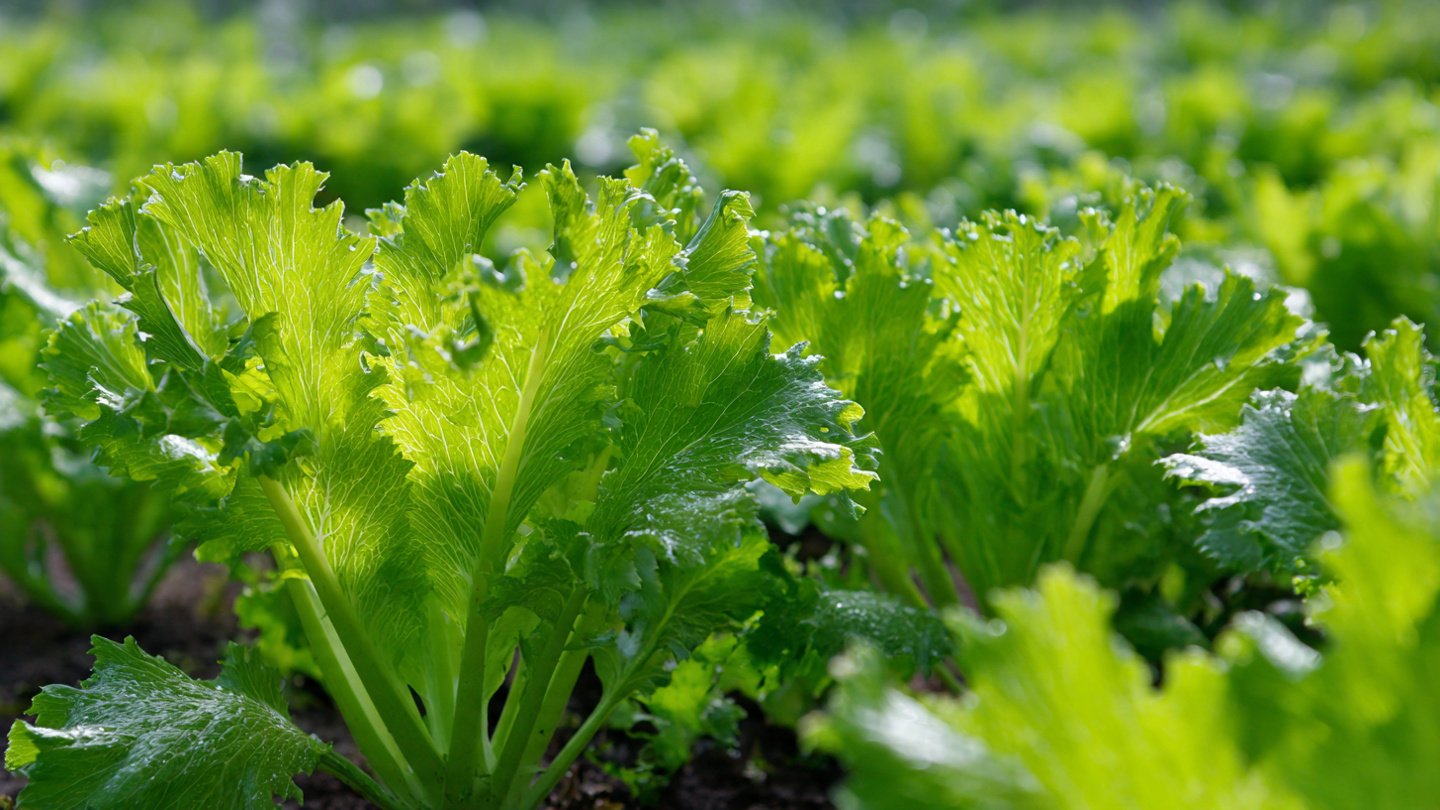
Growing your own endive greens can be a rewarding experience that adds a unique flavor to your salads and dishes. This leafy vegetable, part of the chicory family, is known for its slightly bitter taste and crisp texture. Cultivating endive is not only a great way to enhance your culinary endeavors but also an excellent method to engage with nature. This article will guide you through the process of successfully growing endive in your home garden, covering everything from soil preparation to harvesting.
What is Endive?
Endive (Cichorium endivia) is a leafy green vegetable that comes in two main varieties: curly endive (also known as frisée) and broad-leaved endive. Curly endive has tightly curled, frizzy leaves, while broad-leaved endive features wider, flatter leaves. Both varieties are rich in vitamins A, C, and K, and are perfect for enhancing the flavors of salads, dips, and cooked dishes.
Latest Posts
- A Comprehensive Guide to Successfully Growing Grape Vines in Your Backyard for Beginners and Experts Alike
- Best Tips for Successful Mango Growth in Containers
- Discover the Simple Steps for Successfully Growing Coriander in a Pot
- Discovering the Ultimate Guide to Growing African Violets from Leaf Cuttings
- Simple Techniques for Successfully Growing Seedless Grapes in Home Gardens
- Ultimate Guide to Growing Balsam Plants Naturally for Vibrant Blooms
- Discover the Secrets to Growing Lush Leek Leaves with Simple Hacks for Beginners
- How to Successfully Cultivate Sweet Cherries in the Unique Climate of Canada
- The Ultimate Guide to Successfully Growing Beautiful Succulent Garden Plants at Home
- A Comprehensive Guide to Growing Dhania from Seeds for Beginners
Getting Started: Planning Your Garden
Choosing a Location
Endive thrives in full sun to partial shade, so choosing the right location is crucial. It requires at least 4-6 hours of sunlight each day. If you’re in a particularly hot climate, some afternoon shade can help prevent the plants from bolting (going to seed) prematurely.
Timing
The best time to sow endive is in early spring or late summer for a fall harvest. The cool weather enhances the flavor of the leaves, making them crisper and more delicious.
Preparing the Soil
Soil Type
Endive prefers well-drained, fertile soil rich in organic matter. A loamy or sandy soil with good drainage is ideal. Avoid heavy clay soils, as they can lead to root rot.

Soil pH
A pH level between 6.0 and 7.0 is optimal for endive growth. You can test your soil with a simple pH test kit. If your soil is too acidic, consider adding lime. If it’s too alkaline, add sulfur.
Adding Organic Matter
Before planting, enrich your soil with organic matter. Compost, well-rotted manure, or a good quality organic fertilizer helps to provide nutrients and improve soil structure. Work these amendments into the top 6-12 inches of soil.
Planting Endive
Seed Selection
Choose high-quality seeds from a reputable supplier. Popular varieties include ‘Green Curled’ and ‘Broadleaf.’ Note that you can also find transplants at local nurseries, though growing from seeds is often more rewarding.
Sowing Seeds
When planting seeds directly into the soil, follow these steps:
- Sow Seeds: Plant seeds about 1/4-1/2 inch deep and 12 inches apart in rows. If you’re planting in blocks, ensure that there’s an 18-inch space between blocks to allow for growth.
- Watering: Gently water the seeds after planting to settle the soil, ensuring not to wash them away. Keep the soil consistently moist through germination.
- Thinning: Once seedlings are about 2 inches tall, thin them to 6-8 inches apart to allow room for growth.
Using Transplants
If using transplants, space them similarly as noted above, ensuring the root crown is level with the soil surface. Water them well after planting.
Care and Maintenance
Watering
Endive needs regular watering, especially during dry spells. Aim for 1-2 inches of water per week, either from rainfall or supplemental watering. The soil should remain consistently moist but not waterlogged.
Fertilizing
Feed your endive with a balanced organic fertilizer every 4-6 weeks. Look for fertilizers rich in nitrogen, as endive is a leafy green that benefits from this nutrient.
Weed Control
Regular weeding is essential to prevent competition for nutrients and water. Hand-pull weeds or use mulch to suppress their growth. A layer of straw, grass clippings, or wood chips can keep the soil moist while minimizing weed issues.
Pest and Disease Management
Endive can attract pests such as aphids, slugs, and caterpillars. Regularly inspect your plants for signs of infestation. If you notice pests, treat your plants with insecticidal soap or neem oil.
Common diseases include powdery mildew and root rot. Good air circulation, proper watering at the base of the plant, and crop rotation will help reduce disease risks.
Harvesting Endive
Endive is typically ready for harvest 75-90 days after sowing, depending on the variety and growing conditions.
Timing
Harvest when the leaves are crisp and still tender but before they start to bolt. This is usually in the late spring or fall. If left too long, the leaves can become tough and bitter.
Method
Harvest by cutting the outer leaves at the base, allowing the inner leaves to continue growing. Alternatively, you can pull the entire plant out by its roots if you want to clear a space in your garden. Always handle the plants gently to avoid bruising.
Post-Harvest
After harvesting, immediately rinse the leaves in cold water and store them in the refrigerator. Endive is best consumed fresh, but it can last up to a week in the fridge if properly stored.
Cooking with Endive
Endive can be enjoyed raw in salads, where its unique crunch and slightly bitter flavor can shine, or cooked. Here are a few ideas to get started:
- Salads: Toss endive leaves with nuts, cheese, and a vinaigrette for a refreshing salad.
- Grilling: Cut endive in half, brush with olive oil, and grill until tender for a smoky flavor.
- Soups: Cook endive with garlic and onions to make a flavorful base for soups.
- Braised: Slowly cook endive in broth or wine, which mellows its bitterness.

FAQs
1. Can I grow endive in containers?
Yes, endive can be successfully grown in containers. Ensure the pot is at least 12 inches deep to accommodate the roots.
2. How often should I water endive?
Endive should be watered regularly to maintain consistent moisture, aiming for about 1-2 inches of water per week.
3. What are the best companion plants for endive?
Good companion plants include carrots, beets, and onions. Avoid planting endive near plants such as broccoli and cabbage, which can attract similar pests.
4. How do I prevent endive from getting bitter?
Endive can develop bitterness due to heat stress or lack of water. Ensure your plants have enough moisture and avoid planting during high-temperature periods.

5. Is endive a perennial or annual?
Endive is typically grown as an annual, though it can self-seed in certain conditions. However, it’s usually best to replant each season for optimal flavor and quality.
6. Can endive grow in shade?
While endive can tolerate some shade, especially in hot climates, it thrives best in full sun, receiving a minimum of 4-6 hours of direct sunlight daily.
7. What diseases should I be on the lookout for with endive?
Common diseases affecting endive include powdery mildew and root rot. Maintaining proper air circulation and monitoring soil moisture can help mitigate these issues.
Conclusion
Growing endive greens in your home garden is a straightforward endeavor that rewards you with a fresh, flavorful addition to your meals. With the right planning, care, and attention to detail, you can cultivate healthy, delicious endive that enhances your culinary creations. Grab your seeds, get your hands dirty, and enjoy the satisfaction of growing your own fresh greens right at home!