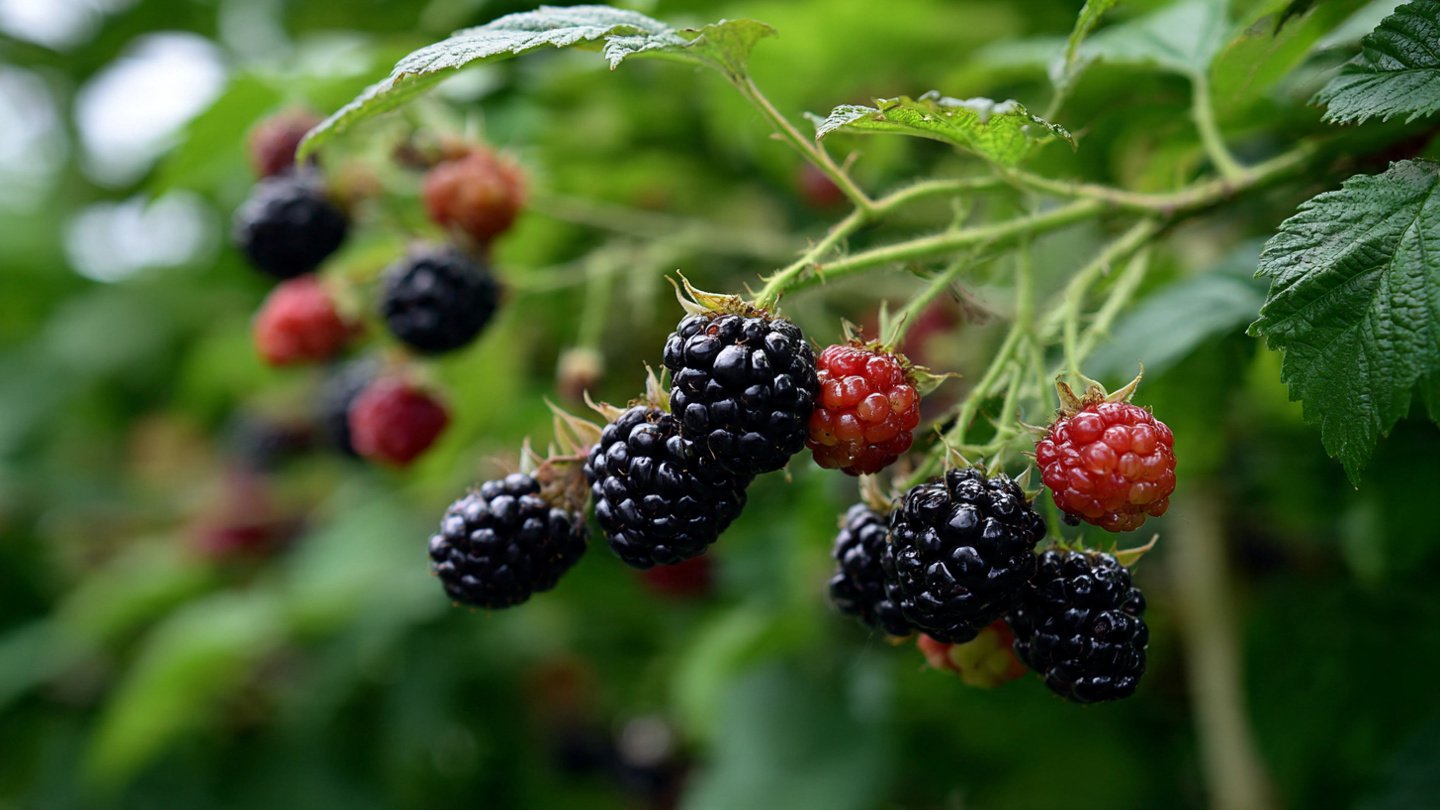
Black raspberries (Rubus occidentalis) are a delicious and nutritious addition to any garden, especially for Canadian gardeners looking to expand their fruit-growing repertoire. Known for their rich, dark color and unique flavor, black raspberries are not only a tasty treat but also packed with vitamins and antioxidants. This guide will delve into the essentials of growing black raspberries in Canadian gardens, covering everything from choosing the right variety to caring for your plants.
Understanding Black Raspberries
Before getting into the nitty-gritty of cultivation, let’s understand why black raspberries are prized by gardeners. They boast a concentrated flavor profile that can be enjoyed fresh, in jams, jellies, pies, or even wine. Their high antioxidant content makes them a healthful choice, offering potential benefits such as improved heart health and boosted immunity.
Latest Posts
- A Comprehensive Guide to Successfully Growing Grape Vines in Your Backyard for Beginners and Experts Alike
- Best Tips for Successful Mango Growth in Containers
- Discover the Simple Steps for Successfully Growing Coriander in a Pot
- Discovering the Ultimate Guide to Growing African Violets from Leaf Cuttings
- Simple Techniques for Successfully Growing Seedless Grapes in Home Gardens
- Ultimate Guide to Growing Balsam Plants Naturally for Vibrant Blooms
- Discover the Secrets to Growing Lush Leek Leaves with Simple Hacks for Beginners
- How to Successfully Cultivate Sweet Cherries in the Unique Climate of Canada
- The Ultimate Guide to Successfully Growing Beautiful Succulent Garden Plants at Home
- A Comprehensive Guide to Growing Dhania from Seeds for Beginners
Choosing the Right Variety
When selecting a variety of black raspberries, several factors come into play, such as climate, soil type, and intended use. Here are a few popular varieties well-suited for Canadian climates:
-
Black Hawk: A hardy variety that thrives in colder temperatures. It produces medium to large, flavorful berries and is resistant to many diseases.
-
Bristol: Known for its high yield and disease resistance, Bristol produces sweet, medium-sized berries and is well-adapted to a range of soil types.
-
Cumberland: A traditional favorite, Cumberland is celebrated for its high yields and exceptional taste. It’s also robust against various pests and diseases.
-
Doyle: This variety is known for its adaptability and consistent fruiting. Doyle produces berries that are favored for their large size and rich flavor.
Selecting the right variety will set the foundation for successful growth in your Canadian garden.

Best Time to Plant Black Raspberries
The ideal time for planting black raspberries in Canada is in either early spring after the last frost or in the fall, about 4-6 weeks before the ground freezes. Planting in early spring allows the roots to establish before hot weather sets in.
Site Selection
Sunlight
Black raspberries thrive best in full sun, requiring at least 6-8 hours of direct sunlight daily. When selecting a site, consider areas that are sheltered from strong winds and have good air circulation to help reduce the risk of disease.
Soil Conditions
The ideal soil for black raspberries is well-draining, rich in organic matter, and slightly acidic with a pH between 5.5 and 6.5. Perform a soil test to assess pH levels and nutrient content; you might need to amend the soil with compost or specific fertilizers to optimize conditions.
Spacing
When planting, space the plants about 2-3 feet apart within rows, allowing for adequate airflow and sunlight penetration. Rows should be at least 6-8 feet apart, particularly if using a trellis system for support.
Planting Black Raspberries
Preparing the Soil
- Clear the Area: Remove weeds, grass, and debris from the planting area.
- Tilling: Loosen the soil to a depth of about 12 inches. Incorporating compost or well-rotted manure can improve soil nutrients.
- Fertilizing: A balanced fertilizer can be beneficial. Follow the recommendations based on your soil test results.

Planting Instructions
- Dig Holes: Create holes twice the width of the root ball but no deeper than the root itself.
- Placement: Place the plant in the hole, ensuring that the crown (where the roots meet the stem) is level with the soil surface.
- Backfill: Fill in the hole gently with soil and water thoroughly to eliminate air pockets.
Care and Maintenance
Watering
Black raspberries require consistent moisture, especially during fruit development. Aim to provide about 1-2 inches of water per week, either through rainfall or irrigation. Drip irrigation is ideal as it delivers water directly to the roots while minimizing water loss.
Pruning
Pruning black raspberries is crucial for promoting healthy growth and fruiting. The best time to prune is late winter or early spring, during dormancy. Here’s a basic pruning guide:
- Remove Dead Canes: Cut out any canes that show signs of disease or damage.
- Thin Out Crowded Canes: Keep the most vigorous canes, usually 4-6 per plant.
- Tip Prune: For primocanes (first-year canes), cut back the tips to encourage branching and fruiting.
Fertilization
Fertilize black raspberries in early spring as growth begins, using a balanced fertilizer or one higher in phosphorus to encourage flowering.

Pest and Disease Management
Black raspberries can be susceptible to various pests and diseases. Here are a few common concerns and their management:
-
Japanese Beetles: Hand-picking and introducing beneficial insects like parasitic wasps can help control their population.
-
Botrytis Blight: Avoid overhead watering, improve airflow around plants, and remove infected canes to control this fungal disease.
-
Bacterial Blight: Maintain good sanitation practices and choose disease-resistant varieties.
Mulching
Applying a organic mulch layer of wood chips or straw can help retain soil moisture, suppress weeds, and maintain stable soil temperatures. Aim for a thickness of 3-4 inches but ensure it doesn’t touch the plant stems to prevent rot.
Harvesting Black Raspberries
Black raspberries usually ripen in mid-summer, typically from July to August in Canada. Here are some tips for optimal harvesting:
-
Timing: Wait until the berries are fully black and slightly soft to the touch for the best flavor.

-
Technique: Gently twist or roll the berry between your fingers; it should detach easily.
-
Containers: Use shallow containers to prevent squishing the berries.
Preserving Black Raspberries
If you have a bountiful harvest, consider preserving black raspberries using methods like freezing, making jams, or jellies. Here’s how to freeze them effectively:
-
Prepare Berries: Wash and dry the berries thoroughly.
-
Flash Freeze: Spread them out on a baking sheet and place them in the freezer until solid.
-
Store: Transfer the frozen berries to airtight containers or freezer bags for long-term storage.
FAQs
1. Can black raspberries be grown in containers?
Yes, black raspberries can be successfully grown in large containers. Ensure the container has drainage holes and is at least 5 gallons in size. Use a quality potting mix enriched with compost.

2. How long will it take for my black raspberry plants to produce fruit?
Typically, black raspberries will start producing fruit in their second year after planting, with full production occurring by the third year.
3. Do black raspberries require cross-pollination?
No, black raspberries are self-pollinating, meaning that each plant can produce fruit on its own. However, planting multiple varieties can enhance yields and fruit quality.
4. What is the best way to propagate black raspberries?
Black raspberries can be propagated through tip layering. Bend a new cane to the ground, cover a section with soil, and keep it moist. Roots will develop from that section, and you can separate it from the parent plant in spring.
5. Are there any specific pests I should be aware of?
Yes, common pests include spider mites, aphids, and beetles. Regular monitoring and the use of organic pesticide options can effectively manage these pests.
Conclusion
Growing black raspberries in Canadian gardens can be a rewarding endeavor. With the right variety selection, attentiveness to soil and watering needs, and ongoing care, you can enjoy bountiful harvests of these delicious berries. From fresh eating to preserving for the winter, black raspberries can provide both pleasure and nutrition, enhancing your gardening experience. So gather your supplies, take advantage of the growing season, and enjoy the journey of cultivating this delightful fruit.