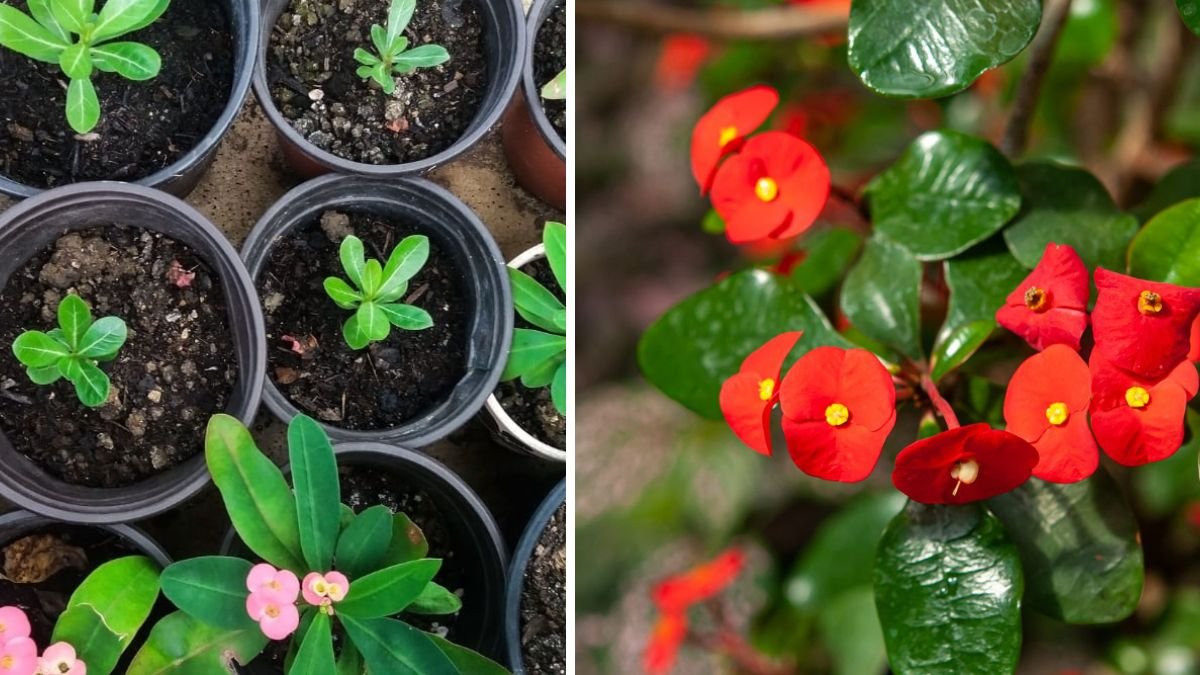
Crown of Thorns (Euphorbia milii) is a unique and resilient succulent that brings a touch of exotic beauty to indoor spaces. Known for its stunning flowers and distinctive thorny structure, this plant is not only visually appealing but also easy to care for, making it an ideal choice for indoor gardening enthusiasts. In this article, we will cover the essential steps to successfully grow Crown of Thorns indoors, ensuring that these plants thrive and provide lush greenery year-round.
Understanding Crown of Thorns
Before diving into the care requirements, it is helpful to understand the plant’s background. Originating from Madagascar, Crown of Thorns is a member of the Euphorbiaceae family. It is recognized for its elongated leaves and colorful flowers, which can bloom year-round under the right conditions. This succulent thrives in arid conditions, making it perfect for indoor environments where humidity levels can be lower.
Latest Posts
- A Comprehensive Guide to Successfully Growing Grape Vines in Your Backyard for Beginners and Experts Alike
- Best Tips for Successful Mango Growth in Containers
- Discover the Simple Steps for Successfully Growing Coriander in a Pot
- Discovering the Ultimate Guide to Growing African Violets from Leaf Cuttings
- Simple Techniques for Successfully Growing Seedless Grapes in Home Gardens
- Ultimate Guide to Growing Balsam Plants Naturally for Vibrant Blooms
- Discover the Secrets to Growing Lush Leek Leaves with Simple Hacks for Beginners
- How to Successfully Cultivate Sweet Cherries in the Unique Climate of Canada
- The Ultimate Guide to Successfully Growing Beautiful Succulent Garden Plants at Home
- A Comprehensive Guide to Growing Dhania from Seeds for Beginners
Characteristics of Crown of Thorns
- Leaves: Lance-shaped, leathery, and dark green, offering a lush appearance.
- Flowers: Small, colorful bracts that can be red, pink, yellow, or white.
- Thorns: Sharp spines that grow from the stems, adding defense mechanisms while contributing to its striking look.
Benefits of Growing Crown of Thorns Indoors
- Low Maintenance: Requires minimal watering and care compared to other houseplants.
- All-Year Blooms: Can produce flowers throughout the year with appropriate care.
- Air Quality: Contributes positively to indoor air quality.
Step-by-Step Care Guide for Crown of Thorns
Step 1: Selecting the Right Pot and Soil
The first step in growing Crown of Thorns is to select the ideal pot and soil type.

Choosing the Pot:
- Material: Opt for terracotta or plastic pots with drainage holes to facilitate water runoff.
- Size: Choose a pot that is slightly larger than the plant’s root ball; it should not be overly large, as this can cause the soil to retain excess moisture.
Potting Mix:
- Soil Type: Use a well-draining potting mix designed for succulents. You can make your own by mixing regular potting soil with sand or perlite.
- pH Levels: Keep the soil slightly acidic to neutral, ideally between 6.0 and 7.0.
Step 2: Light Requirements
Crown of Thorns flourishes in bright, indirect sunlight.
- Ideal Location: Place the pot near a window with plenty of light. A south-facing window is perfect.
- Artificial Light: If natural sunlight is insufficient, consider using grow lights for at least 12 hours a day.
Step 3: Watering Schedule
Overwatering is a common mistake that can lead to root rot.
- Frequency: Water the plant when the top inch of soil feels dry. Typically, this means watering once every 2-3 weeks in the growing season (spring and summer) and less frequently in the dormant season (fall and winter).
- Watering Method: Water thoroughly until it drains out of the bottom. Ensure the plant is not sitting in water afterward.

Step 4: Temperature and Humidity
Crown of Thorns thrives in warm and dry conditions.
- Temperature Range: Preferably maintain indoor temperatures between 70°F to 85°F (21°C to 29°C).
- Humidity Levels: These plants do not require high humidity; average room humidity will suffice. Avoid areas with excessive moisture, such as bathrooms.
Step 5: Fertilizing
During the growing season, fertilization is crucial for encouraging growth and blooms.
- Type of Fertilizer: Use a balanced, water-soluble fertilizer diluted to half strength.
- Frequency: Fertilize every 4-6 weeks during spring and summer; avoid fertilizing in the fall and winter.
Step 6: Pruning
Regular pruning helps to maintain the shape and health of your Crown of Thorns plant.
- When to Prune: Prune during the growing season, ideally in late spring.
- How to Prune: Trim any dead or damaged leaves and stems. If the plant becomes leggy, you can also trim back to encourage bushier growth.

Step 7: Pest and Disease Management
While Crown of Thorns is generally resistant to pests, occasional issues can arise.
- Common Pests: Watch for mealybugs, aphids, and spider mites. Use insecticidal soap or neem oil for treatment.
- Disease Prevention: Ensure proper drainage and avoid overwatering to prevent fungal diseases.
Step 8: Repotting
As your Crown of Thorns grows, you may need to repot the plant to provide more space.
- When to Repot: Every 2-3 years or when the roots start to crowd.
- How to Repot: Gently remove the plant from its pot, shake off excess soil, and place it in a new pot with fresh soil.
Step 9: Propagation
Crown of Thorns can easily be propagated through stem cuttings.
- Taking Cuttings: Use a sharp, clean tool to cut a healthy stem segment (3-4 inches long). Allow it to dry for a day to form a callus.
- Planting Cuttings: Place the calloused cutting in a small pot with well-draining soil and water sparingly until roots develop.

Troubleshooting Common Issues
Despite being a hardy plant, Crown of Thorns can encounter a few common problems.
- Dropping Leaves: This could be due to overwatering or underwatering. Assess the watering schedule and adjust accordingly.
- Lack of Flowers: Insufficient light or lack of nutrients can hinder blooming. Ensure it receives adequate light and fertilization.
- Brown Leaf Tips: This may indicate low humidity or underwatering. Monitor moisture levels and humidity.
Conclusion
Crown of Thorns is a delightful addition to any indoor garden, combining low maintenance with stunning aesthetic appeal. By following these simple steps—from selecting the right pot and soil to ensuring sufficient light and proper care—you can cultivate a thriving, lush Crown of Thorns that will enliven your living space. With patience and regular attention, you’ll enjoy the vibrant blooms and unique character this beautiful succulent offers.
FAQs
1. Can Crown of Thorns be grown outside?
- Yes, if you live in a warm climate with temperatures above 50°F (10°C), they can thrive outdoors in full sun.
2. Are Crown of Thorns safe for pets?
- No, crown of thorns are toxic if ingested. Keep them out of reach of pets and children.

3. How often should I water my Crown of Thorns?
- Water when the top inch of soil feels dry, typically every 2-3 weeks, depending on the season.
4. Why isn’t my Crown of Thorns blooming?
- Insufficient light or nutrients may be the cause. Ensure it gets plenty of indirect sunlight and is fertilized during the growing season.
5. What should I do if my plant develops pests?
- Treat the plant with insecticidal soap or neem oil, following instructions on the product label.
6. Can I grow Crown of Thorns in low light?
- While it can survive in lower light, it is unlikely to thrive or bloom. Aim for bright, indirect light for best results.
By adhering to the above care guidelines, you’ll pave the way for a flourishing Crown of Thorns that enhances your indoor environment with its lush greenery and vibrant flowers. Happy gardening!