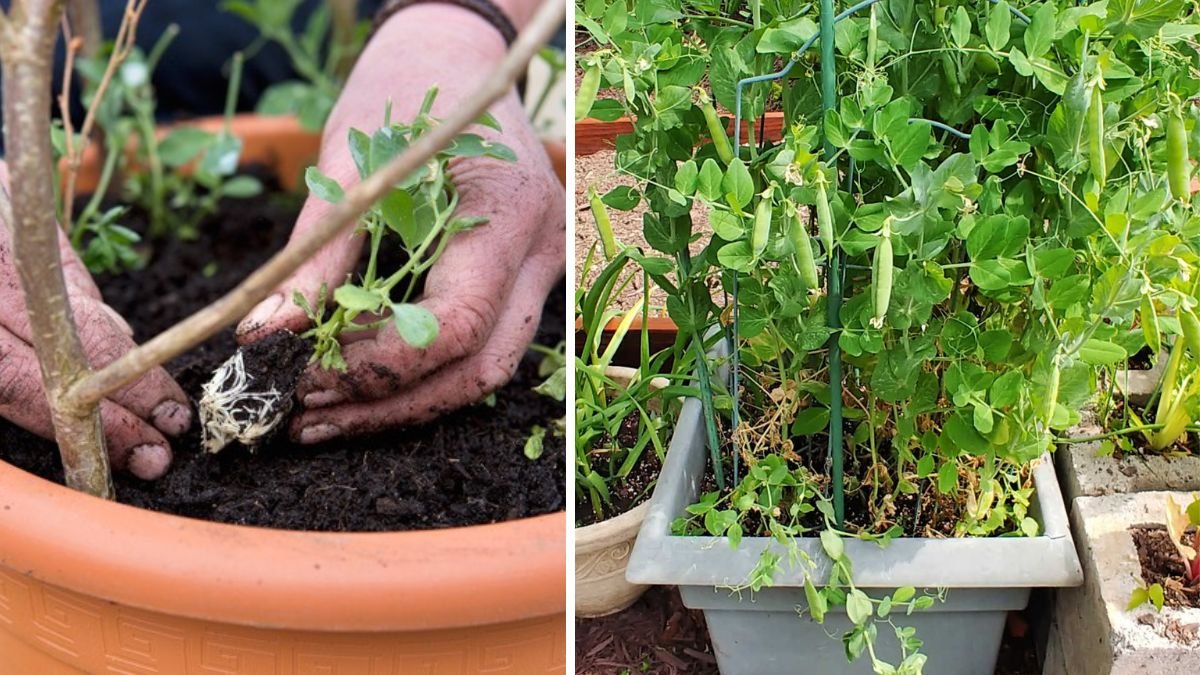
Growing peas in pots is a delightful way to introduce gardening to your life, especially for beginners with limited space. Peas (Pisum sativum) are not only easy to grow but also provide a delicious crop in a short time. This guide will walk you through every step of the process—from selecting seeds and containers to harvesting your delicious bounty. Let’s get started!
Why Grow Peas?
Peas are a great choice for home gardening:
Latest Posts
- A Comprehensive Guide to Successfully Growing Grape Vines in Your Backyard for Beginners and Experts Alike
- Best Tips for Successful Mango Growth in Containers
- Discover the Simple Steps for Successfully Growing Coriander in a Pot
- Discovering the Ultimate Guide to Growing African Violets from Leaf Cuttings
- Simple Techniques for Successfully Growing Seedless Grapes in Home Gardens
- Ultimate Guide to Growing Balsam Plants Naturally for Vibrant Blooms
- Discover the Secrets to Growing Lush Leek Leaves with Simple Hacks for Beginners
- How to Successfully Cultivate Sweet Cherries in the Unique Climate of Canada
- The Ultimate Guide to Successfully Growing Beautiful Succulent Garden Plants at Home
- A Comprehensive Guide to Growing Dhania from Seeds for Beginners
- Nutritional Benefits: Peas are rich in vitamins A, C, K, and various B vitamins. They also provide dietary fiber and protein, making them an excellent addition to your diet.
- Short Growing Season: Peas are typically ready to harvest within 60 to 70 days, allowing for quick returns on your gardening efforts.
- Space Efficient: Ideal for containers, peas can thrive in various pot sizes and configurations, making them perfect for small spaces or patios.
- Companion Planting: They improve soil health by fixing nitrogen, benefiting nearby plants.
Choosing the Right Container
When selecting a container for your peas, consider the following:
- Size: Choose a pot that is at least 12 inches deep and 12 inches wide to provide enough space for roots to grow. Larger containers can accommodate more plants.
- Drainage: Ensure that the pot has drainage holes at the bottom to prevent waterlogging, which can lead to root rot.
- Material: Terracotta, plastic, or ceramic can all work. Just make sure any material you choose allows for air and moisture exchange.
Selecting Your Seeds
Peas are categorized into two main types:
- Snap Peas: These can be eaten whole, pod and all, and are sweeter in flavor.
- Shell Peas: These need to be shelled before eating and are typically sweeter than snap peas.
Popular Varieties
- Sugar Snap: Sweet and crunchy; great for fresh eating.
- Snow Peas: Flat, edible pods; ideal for stir-fries.
- Green Shelling Peas: Traditional variety; perfect for freezing and cooking.
Where to Buy Seeds
You can find pea seeds at local garden centers, online retailers, or seed exchanges. Look for organic or heirloom varieties for the best quality.
Soil Requirements
Peas thrive in well-draining, nutrient-rich soil. Here’s how to choose the right soil mix:
- Loamy Soil: A mix of clay, sand, and silt, providing good nutrients and drainage.
- pH Level: Peas prefer a slightly acidic to neutral pH level (6.0 to 7.0).
- Organic Matter: Incorporate compost or well-rotted manure to boost nutrients.
Soil Preparation
- Combine Ingredients: Use a blend of potting soil, compost, and perlite for aeration.
- Moisten: Make sure the soil is moist but not soggy before planting.
Planting Peas
When to Plant
- Timing: Peas are cool-season crops and should be planted in early spring, about 4–6 weeks before the last frost date in your area.
- Direct Sowing: You can also plant them in late summer for a fall harvest.
Steps for Planting
- Fill the Pot: Leave about 2 inches of space at the top.
- Planting Depth: Plant seeds about 1–2 inches deep.
- Spacing: Space seeds about 2 inches apart, and consider planting in rows for easier maintenance.
Watering After Planting
Water gently after planting to avoid displacing seeds. Keep the soil consistently moist but not soggy, especially during germination (which takes 7 to 14 days).
Caring for Your Pea Plants
After planting, proper care is essential for a successful harvest:
Watering
- Frequency: Water regularly but test soil moisture with your finger. If the top inch is dry, it’s time to water.
- Method: Water at the base to avoid wetting the leaves, which can promote disease.
Fertilization
- Type: Peas do not require heavy fertilization, but you can use a balanced organic fertilizer.
- Timing: Apply fertilizer once seedlings reach about 4 inches tall.
Supporting Growth
Many pea varieties need support to grow upright, especially as they mature:
- Trellis: Use a trellis or stakes to support growing plants. Twine or netting can also work effectively.
- Installation: Place the trellis in the pot before planting to avoid disturbing the roots later.
Pest and Disease Management
While peas are generally resilient, they can fall prey to pests like aphids or diseases like powdery mildew. Here’s how to manage these issues:
- Inspect Regularly: Check leaves regularly for pests or signs of disease.
- Natural Solutions: Introduce beneficial insects like ladybugs, or use neem oil as a natural pesticide.
- Proper Spacing: Ensure air circulation between plants to minimize disease risks.
Harvesting Your Peas
Timing is crucial for the best flavor:
When to Harvest
- Snap Peas: Harvest when pods are plump but still tender.
- Shell Peas: Harvest when pods are fully formed but before they begin to yellow.
How to Harvest
- Gentle Hand: Use your fingers to pinch the pods off the plant.
- Frequency: Harvest regularly to encourage more pod development.
Storage
- Fresh Use: Consume or cook the peas as soon as possible for optimal flavor.
- Freezing: If you have excess, peas can be blanched and frozen for later use.
Tips for Success
- Companion Planting: Plant alongside carrots or radishes to maximize space and nutrient use.
- Succession Planting: Consider sowing a new batch every few weeks for a continuous harvest throughout the growing season.
- Sunlight: Peas require at least 6 hours of sunlight daily for optimal growth.
Frequently Asked Questions (FAQs)
1. How many pea plants can I grow in a pot?
You can typically grow 3–5 pea plants in a standard 12-inch pot, depending on the variety.
2. Can I grow peas indoors?
Yes, peas can be grown indoors with adequate light, but ensure they get enough sunlight or consider using grow lights.
3. What is the best time of year to plant peas?
Peas are best planted in early spring or late summer for a fall harvest, as they prefer cooler temperatures.
4. Do I need to thin my pea plants?
If you’ve planted seeds too closely, thin them to avoid overcrowding and promote healthy growth.
5. How can I tell when my peas are ready to harvest?
Harvest peas when the pods are visibly plump but still tender. The sugars in the pods peak at this point for the best flavor.
6. Can I save pea seeds for next year?
Yes, you can save seeds from heirloom varieties. Allow pods to dry fully on the plant before harvesting the seeds.
7. What type of soil is best for growing peas?
A well-draining, nutrient-rich loamy soil with a slight acidic to neutral pH (6.0 to 7.0) is ideal for peas.
By following this guide, you’ll be well on your way to enjoying a bountiful harvest of peas from your pots. Happy gardening!